
Epimetheus: Epimetheus is an ancient Titan from Greek mythology, known primarily for his role as the embodiment of hindsight.
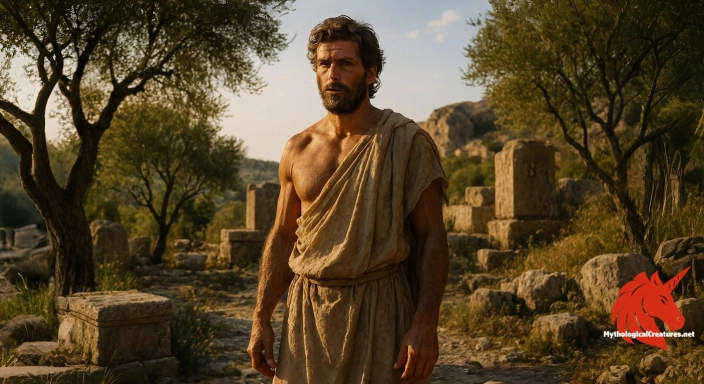
Epimetheus
Epimetheus - Epimetheus serves as a counterpoint to his clever brother Prometheus, highlighting the consequences of hindsight and impulsivity in myth and human affairs.
Origins & First Encounters
Epimetheus emerges in Greek mythology as a complex figure whose very name, meaning 'afterthought', sets him apart from his more resourceful brother, Prometheus. Born of the Titan Iapetus, his origins are intertwined with the early mythic narratives that sought to explain the human condition. He is often portrayed as the embodiment of impulsiveness and the tragic consequences that follow unconsidered acts. His first clear attestation is found in ancient texts such as Hesiod’s Works and Days, where his role in the Pandora myth offers a rich, allegorical commentary on human error. Despite his well-meaning nature, his actions often serve as a cautionary example of the dangers inherent in acting without adequate reflection. Ancient audiences saw in him a mirror of humanity’s shortcomings, a reminder that not all wisdom is immediately apparent. His narrative, steeped in the duality of human nature, has long fascinated storytellers and philosophers alike. Over time, Epimetheus has come to symbolise the interplay between innocence, regret, and the sometimes inevitable lesson of hindsight.
Source Texts & Tale Variants
The story of Epimetheus is rooted in a variety of ancient sources that provide multiple perspectives on his character. His appearance in Hesiod’s Theogony and Works and Days lays the groundwork for understanding his role within the cosmos and in the shaping of mortal destiny. In these traditional accounts, he is depicted as a somewhat careless yet indispensable agent in the distribution of traits among living beings. Later texts and literary reinterpretations build on this narrative, emphasizing the catastrophic impact of his acceptance of Pandora and the subsequent unleashing of misfortune upon humankind. Diverse accounts from subsequent periods present variations in his portrayal, sometimes casting him as a tragic victim of fate rather than a mere bystander of his own actions. The myth is further enriched by its presence in Roman adaptations and medieval retellings that focus on the moral implications of his decisions. Such variant stories contribute to the wide-ranging legacy of Epimetheus, highlighting the evolution of his symbolic import over time. These layers of narrative not only deepen his character but also reflect shifting cultural attitudes toward the themes of foresight and folly. Ultimately, the multiplicity of sources underscores the enduring fascination with his myth and its moral complexities.
Form & Powers
Ancient art and literature occasionally offer subtle clues to the physical representation of Epimetheus, even if detailed descriptions are sparse. Visual depictions on pottery and mosaics suggest a figure marked by gentle, rounded features that contrast with the more heroic and defined image of his brother, Prometheus. His face is often rendered with an introspective quality, hinting at the inner burden of regret and the reflective consequences of past actions. Many artistic interpretations choose to highlight a modest and somewhat unassuming countenance, which symbolically underscores his role as an everyman among divine beings. His posture is typically relaxed, perhaps even slightly resigned, evoking a sense of weighty contemplation. The simplicity of his attire and the softness of his expressions can be seen as visual metaphors for his lack of immediate discernment. Over time, his portrayal has varied from an almost benign, pensive figure to one that embodies the tragic aspects of lost opportunity. This subtle visual evolution reflects a deeper allegorical significance, where physical simplicity mirrors the human condition of learning from mistakes too late.
Regional Faces
Although Epimetheus is primarily rooted in ancient Greek mythology, his portrayal has undergone regional adaptations that reflect local cultural sensibilities. In certain Hellenistic traditions, storytellers emphasised his tragic qualities, casting him as a relatable figure whose errors impart valuable moral lessons. Variations in his narrative have occasionally portrayed him as a folk icon, symbolising the universal struggle against impulsivity. In Roman retellings, his character was sometimes softened, presenting him as a sympathetic reminder of human fallibility rather than a mere figure of ridicule. Byzantine interpretations have also reimagined aspects of his myth, aligning his character with broader themes of introspection and ethical caution. These regional nuances often highlight differences in artistic style and narrative focus, reinforcing local values and societal norms. The diverse portrayals underscore how a single mythic figure can be adapted to fit various contexts, reflecting regional concerns over wisdom, foresight, and the consequences of rash actions. Even in modern adaptations, echoes of these regional variations can be detected, as Epimetheus remains a flexible symbol open to reinterpretation in different cultural settings.
Cultural Parallels
Epimetheus occupies a unique place within mythological traditions, and his character offers fascinating parallels to figures from other cultures. Much like the archetypal trickster or the hapless everyman in various global myths, he serves as a reminder of the perils of overlooking the broader consequences of one’s actions. His story resonates with cautionary tales found in both European folklore and Eastern traditions, where a single misstep can lead to enduring challenges. Comparatively, while figures such as the Norse deities occasionally exhibit a blend of wisdom and error, Epimetheus uniquely embodies the concept of remorse born from inattention. His narrative bridges the gap between divine deliberation and human impulsiveness, much as similar characters do in African or Indigenous mythologies. This cross-cultural analysis reveals that the themes of hindsight and unwitting error are not confined to Greek myth alone, but rather form a universal motif. The enduring fascination with his story reflects a shared human understanding of the delicate balance between impulsive actions and their unforeseen consequences. His myth, therefore, stands alongside comparable narratives as a testament to the complexities of human decision-making and the inevitable lessons that follow.
Legacy & Modern Evolution
Over the centuries, Epimetheus has transformed from a peripheral mythological character into a resonant symbol of human frailty and reflective responsibility. Initially depicted in ancient texts as a complementary foil to the ingenious Prometheus, his role has broadened in modern interpretations to encapsulate the broader human experience of regret and delayed understanding. The Renaissance saw a revival of classical themes that brought his story to life anew in art and literature, highlighting the delicate interplay between foresight and hindsight. In contemporary discussions, he is often invoked as a metaphor for the consequences of shortsighted decision-making in both personal and societal contexts. Modern adaptations in literature, film, and even political discourse have embraced his narrative, using his example to comment on the importance of prudence and long-term planning. His portrayal has evolved to reflect complex modern issues, transforming him into a symbol of the perennial human struggle against impulsivity. Scholars and artists alike continue to revisit and reinterpret his myth, ensuring that his legacy remains dynamic and contextually relevant. Today, Epimetheus stands not merely as a cautionary tale from antiquity, but as a timeless commentary on the intricate relationship between action, consequence, and the passage of wisdom.
Interesting Fact
Although often overshadowed by his more celebrated and clever brother Prometheus, Epimetheus’s legacy endures as a reminder that even divine beings can falter through impulsive actions, a narrative that continues to resonate in discussions of human nature and error.
Support the directory
Promote your myth project and fund more research
Sponsor placements help keep this directory growing and free to use while giving your work a focused, relevant audience.
Learn how sponsorship worksQuick Creature Info
Origin:
Our Mythic Legendary Rating:

Also Sometimes Known As:
Habitat:
Supernatural Powers:
Abilities:
Behavior:
Weaknesses:
Lore:
Related Creatures, Tales or Lore
References
Discover Another Mythical Legend You May Not Have Heard Of?
Uncover the mysteries of ancient folklore and expand your knowledge of legendary beings from cultures around the world.
Dare to Meet the Erecura....

Curated by the Mythological Creatures Team
Series editor: Mythological Creatures Directory
Primary desk: Hellenic & Ancient Mediterranean Desk
(rev. November 2025)