
Erato: Erato is a sea-nymph from Greek mythology, celebrated as one of the fifty Nereids.
-abe5eff6-76d3-4a23-a606-c56022517bf9_small.webp "Erato - Erato embodies the allure of the sea and the stirring of desire, highlighting the deep connection between nature and emotion in Greek mythology.")
Erato
Erato - Erato embodies the allure of the sea and the stirring of desire, highlighting the deep connection between nature and emotion in Greek mythology.
When was Erato first written about?
Erato emerges in the ancient tapestry of Greek mythology as one of the fifty radiant daughters born of the sea, a cherished progeny of Nereus and the Oceanid Doris. Her name, meaning 'desired, lovely', encapsulates an inherent allure that has captivated imaginations for centuries. In the realm of myth, she represents not only aesthetic beauty but also the stirring power of desire, reflective of the unfathomable mysteries of the ocean. Her brief but evocative mention in mythic texts hints at a deeper symbolic role, where the ocean’s capricious nature intertwines with the human experience of passion. The ancient mariners and poets found inspiration in her ephemeral qualities, attributing to her an ability to awaken deep-seated emotions. Her portrayal underscores a classical harmony between natural beauty and the unpredictability of the sea, resonating with communities that revered marine deities. Erato’s character contributes to a broader narrative that celebrates the balance between nurturing calm and the tempestuous spirit of water. Through art and oral tradition, she has come to embody an ideal of grace that mirrors the gentle yet formidable rhythm of the tide. The legacy of her myth continues as a symbol of the delicate interplay between desire and nature.
What are the earliest texts about Erato?
Early mythological texts provide scattered yet compelling allusions to Erato as a member of the illustrious band of Nereids. Though dedicated accounts of her individual exploits are rare, primary sources such as Hesiod’s mythic fragments and later compilations mention her alongside other sea nymphs in poetic catalogues. Oral traditions and ancient artworks have served as complementary mediums, keeping her presence alive in the collective cultural memory. Some variants of her story subtly integrate her attributes with broader maritime themes, suggesting she imbued the sea with an invigorating charm. In these narratives, Erato is often portrayed as an emblem of the ocean’s capacity to inspire love and longing. The sparse yet evocative references in various texts indicate that her myth was flexible, allowing storytellers to emphasise her connection with both beauty and the vibrant essence of aquatic life. Later classical literature, while not expanding her myth extensively, reaffirms her significance among the divine daughters of the sea. This layered tradition, compiled over centuries, lends her a mystique that continues to intrigue modern audiences. The cross-pollination of sources underscores how even minor figures in mythology can exert a lasting cultural influence.
What does Erato look like?
Erato is traditionally envisioned with an ethereal grace that mirrors the shimmer of sunlit waves, her appearance suffused with the delicate luminescence of the sea. Artists have often rendered her with long, flowing hair that cascades in tones of deep blue and soft silver, evoking the ever-changing hues of the ocean. Her eyes are depicted as reflective and luminous, hinting at the vast, mysterious depths beneath the surface and suggesting an unspoken connection to the world of desire. Classical imagery frequently shows her adorned in diaphanous garments that ripple like gentle currents, enhancing her association with the fluidity of water. The contours of her form are graceful and slender, a reflection of the idealised human beauty celebrated by the ancients. In many portrayals, subtle motifs of seashells and aquatic flora are interwoven with her attire, reinforcing her symbiotic relationship with the marine environment. Variations in her depiction sometimes highlight her serene smile and poised expression, which collectively radiate an inviting yet enigmatic charm. Such detailed artistry speaks to a broader tradition of honouring the natural world by personifying its beauty in divine forms. Through these visual narratives, Erato emerges as much more than a mere nymph; she becomes an enduring symbol of nature’s elegance and vitality.
Erato: The Same Figure in Different Places
Across the various corners of ancient Greece and the wider Mediterranean, the portrayal of Erato reveals a degree of regional nuance that enriches her mythic identity. In the coastal areas of mainland Greece, local traditions elevated the presence of sea deities, with Erato often celebrated in festivals that invoked her benevolent aspects to secure safe voyages. On the Aegean islands, where intimate contact with the sea was a daily reality, her image sometimes absorbed local maritime symbolism, emphasising protective and nurturing attributes. Regional art, whether expressed through pottery, mosaics, or local shrines, frequently featured Erato among a pantheon of water spirits, each adapted to reflect local seafaring lore. In some areas, the interplay of light and water in natural local features helped shape artistic depictions of her, highlighting her role as both a guardian of sailors and a muse for coastal poets. These localized adaptations allowed communities to align her myth with regional narratives of life, love, and the perennial power of the ocean. Despite slight variations in iconography and emphasis, the fundamental traits associated with her—grace, beauty, and the stirring of inner fervour—remained constant. The melding of pan-Hellenic mythology with local spiritual expressions ensured that Erato’s legacy resonated in distinct yet harmoniously interconnected cultural settings. Such regional distinctions exemplify how mythological figures adapt over time and geography while retaining a collective cultural significance.
How does Erato compare to figures in other traditions?
In examining Erato’s myth, one discovers numerous parallels between her narrative and the broader spectrum of water deities across various cultures. Much like the Celtic selkies or the Nordic mermaids, Erato embodies the dual nature of water – both its capacity to be a source of beauty and a realm of hidden, sometimes tumultuous, power. This duality resonates in many traditions, where aquatic figures are celebrated not only for their enchanting appearances but also for their association with emotional depths and transformative energies. Within Greek mythology, her persona is often juxtaposed with that of other nymphs and minor deities who similarly bridge the human and natural worlds. In comparing her to Roman and even later European maritime legends, one finds recurring themes of allure, protection, and the awakening of inner passions. Such cross-cultural comparisons highlight how ancient societies universally revered the sea’s mystique and the figure who could symbolise its unpredictable yet captivating nature. Erato’s myth, in many respects, has been a conduit through which the inherent tension between desire and danger is poetically explored. The thematic similarities between her narrative and those of other water spirits underline a shared human fascination with the mysticism of the deep. These cultural parallels serve as a reminder that while regional variations exist, the symbolic power of water and its divine personifications remains a universal motif across mythologies.
Where does Erato appear in films and games?
The evolution of Erato’s myth over the centuries illustrates a fascinating journey from classical obscurity to modern reinterpretation. In the ancient world, she was one among many sea nymphs whose fleeting appearances contributed to the broader tapestry of marine divinity. As the Renaissance rekindled interest in Greco-Roman mythology, artists and poets began to re-examine such figures, imbuing them with fresh symbolism that reflected the era’s aesthetic and philosophical preoccupations. Through these renewed artistic endeavours, Erato’s delicate balance of beauty and desire found new expressions in literature and visual art. Despite her relatively understated role in surviving texts, later scholars have recognised her subtle influence on cultural representations of the sea. In modern times, the legacy of Erato extends to contemporary creative fields where myth and nature continue to intersect, influencing everything from film to digital media. Her enduring appeal lies in both her aesthetic grace and the deeper allegorical significance she holds as a symbol of emotional and natural vitality. Today, reinterpretations of her myth embrace a pluralistic view that honours both her mythological origins and the evolving artistic narratives that have built upon them. In many ways, Erato remains a timeless emblem of the allure of the ocean and the eternal human fascination with beauty and passion.
Interesting Fact
Despite her relatively minor status in the pantheon, Erato's enduring legacy as a symbol of natural beauty and desire highlights the rich tapestry of Greek myth, where even lesser-known figures play pivotal roles in the celebration of the natural world.
For serious mythcraft
Your project belongs among the legends
If your work deepens how people understand, play with, or teach mythology, a sponsor placement here keeps it in front of the right readers all year.
Submit a sponsorship enquiryQuick Creature Info
Origin:
Associations:
Our Mythic Legendary Rating:

Habitat:
Supernatural Powers:
Physical Attributes:
Abilities:
Behavior:
Lore:
Related Creatures, Tales or Lore
References
Discover Another Mythical Legend You May Not Have Heard Of?
Uncover the mysteries of ancient folklore and expand your knowledge of legendary beings from cultures around the world.
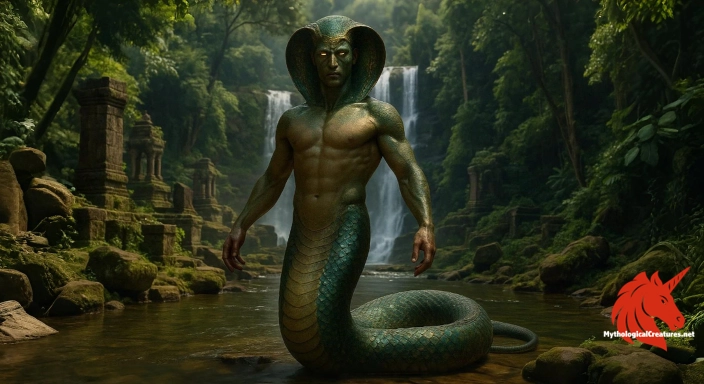
Dare to Meet the Nāga....
Curated by the Mythological Creatures Team
Series editor: Mythological Creatures Directory
Primary desk: Hellenic & Ancient Mediterranean Desk
(rev. November 2025)