
Falak: Falak is a colossal serpentine creature from the One Thousand and One Nights that inhabits the deepest layer of hell.
-f864e434-4979-45f8-a263-1a5fb6b9bac9_small.webp "Falak - Falak symbolizes the danger of unbridled chaos and serves as a reminder of the necessity of divine order in the cosmos.")
Falak
Falak - Falak symbolizes the danger of unbridled chaos and serves as a reminder of the necessity of divine order in the cosmos.
Origins & First Encounters
Falak is a mesmerizing creature from Arabic mythology whose imposing nature has intrigued audiences since its earliest mentions in classical tales. Born from the rich tapestry of the One Thousand and One Nights, this giant serpent is intricately woven into a cosmic structure that defines the balance of the universe. Its origin is set against a backdrop of layered hells and celestial oceans, where the boundaries between divine order and primordial chaos blur. Falak is portrayed as a force that dwells in the profound depths of the seventh hell, embodying a power so vast that only the omnipotence of God restrains its destructive potential. The myth encapsulates a universe where every element, from the towering bull to the celestial angel, plays its part in a grand, orchestrated cosmic drama. Early attestations of Falak reveal a being of formidable presence, symbolising the careful balance maintained within the layers of creation. The legends surrounding it resonate with the medieval cosmological view of the universe as a series of nested realms, each with its own mysteries. With its deep roots in the cultural ethos of the Middle East, Falak continues to be a striking symbol of the interplay between divine might and the potential for chaos. Its enduring legacy underscores the significance of myth as a bridge between the tangible and the transcendent.
Source Texts & Tale Variants
The primary narrative of Falak is found in the One Thousand and One Nights, where the serpent is depicted as a fundamental element of the universe’s underbelly. While the core story remains consistent across various manuscripts, different recensions have coloured its portrayal with unique interpretative details. Several medieval texts contribute to the layered mythology of Falak, each adding nuances to its role as a cosmic gatekeeper in the lower realms. Some accounts expand its narrative, situating the creature within elaborate hierarchies that include other mythic beings such as Bahamut and a colossal bull. Variations in the storytelling emphasise its overwhelming might and its symbolic relationship with divine restraint. Oral traditions and folklore have further enriched the tapestry of its legend, adapting the myth to local cultural contexts and religious debates. These diverse sources contribute to a multifaceted image where Falak is not merely a serpent but an embodiment of cosmic order and impending chaos. The enduring presence of Falak in literary and oral traditions highlights its importance as a perennial symbol, continually reshaped by the hands of storytellers and mystics.
Form & Powers
Descriptions of Falak underline a phenomenal serpentine form that stretches across the very fabric of the underworld. Its body is imagined as colossal and sinuous, with scales that catch the faint luminescence of deep, hellish fires. The creature’s enormous size is a recurring theme, suggesting a being so vast that its physical dimensions challenge the limits of mortal comprehension. Rendered in dramatic detail, its scales are often depicted as both resplendent and forbidding, exuding an aura of both beauty and dread. Falak’s eyes, sometimes alluded to as twin orbs of otherworldly light, are said to reflect the crucial balance between divine mercy and cosmic retribution. The scientific boundaries of the physical world are transcended in its depiction, where form and myth intertwine seamlessly. Artistic renderings often portray it coiled and undulating in the dark abysses of the seventh hell, emphasising an almost liquid motion that defies conventional anatomy. The imagery associated with Falak paints a picture of a creature that is both a natural marvel and a supernatural phenomenon. These descriptions serve to reinforce its status as a guardian of the outer limits of existence, where every physical detail is saturated with symbolic meaning.
Regional Faces
Though Falak finds its principal roots in Arabic lore, its portrayals exhibit subtle shifts when recounted in different regional traditions. In some Middle Eastern narratives, the serpent is imbued with an ethereal quality that enhances its mystique, adding layers of spectral beauty and foreboding strangeness. Certain Sufi interpretations have reimagined the creature as an allegory for the inner spiritual struggle between material limitation and transcendent desire. Variations across regions may depict Falak with slight modifications in its physical attributes, sometimes incorporating elements of local symbolism such as desert winds or the starry firmament. While the core essence of its myth remains consistent, regional adaptations have allowed storytellers to align its nature with local cosmological structures and religious philosophies. In Persia and parts of the Levant, the creature is occasionally interwoven with moral allegories, symbolising both the peril of ungoverned power and the need for divine oversight. Such regional narratives underscore the adaptability of myth, where a singular entity like Falak can mirror the cultural and spiritual aspirations of diverse communities. These localised versions continue to evolve, reflecting the confluence of tradition, faith, and artistic licence in shaping mythic figures.
Cultural Parallels
Cultural parallels with Falak are evident in a variety of mythological traditions that feature colossal serpents or dragons as agents of cosmic balance. In Norse mythology, for example, Jormungandr, the world-encircling serpent, presents a striking echo of Falak’s role as a boundary between order and chaos. Similar themes emerge in the ancient depictions of Tiamat in Mesopotamian lore, where a primordial serpent embodies the forces that predate creation itself. These figures, like Falak, are often cast as both creators and potential destroyers, whose immense power is held in check only by divine law. Comparative narratives highlight the universal human fascination with serpentine imagery, which transcends regional boundaries to explore ideas of cyclic destruction and regeneration. Falak’s myth sits comfortably alongside these global archetypes, offering a perspective on how diverse cultures envision the forces that lie at the heart of existence. The recurring motif of a giant, primordial creature underscores a shared symbolic language throughout world mythology. In many traditions, these entities serve as metaphors for natural phenomena and existential uncertainties, bridging the material and the mystical. Such cultural crossovers invite a rich dialogue about how different societies use myth to reflect on the limits of power and the essence of the cosmos.
Legacy & Modern Evolution
Over the centuries, the myth of Falak has experienced a transformation from a fixed cosmological element to a dynamic symbol of the interplay between cosmic order and chaos. Early medieval depictions, rooted in the textual tradition of the One Thousand and One Nights, portrayed it as an almost elemental force that both threatened and upheld the structure of the universe. As scholarly and artistic interpretations evolved, Falak gained a more allegorical dimension, representing the precarious balance maintained by divine providence. Modern literature and visual art have reinterpreted Falak as an enigmatic figure whose form challenges both the natural and the supernatural. In contemporary fantasy genres, its mythic qualities are often augmented with layers of metaphor and philosophical inquiry, reflecting modern concerns about power, destiny, and the nature of evil. Digital media and graphic novels continue to echo the ancient aura of Falak, reimagining it as a potent icon of cosmic drama. These evolving portrayals have ensured that Falak remains a subject of fascination and debate, its presence continually updated to resonate with the modern psyche. The creature’s enduring legacy is a testament to the vibrant adaptability of myth, where timeless symbols are reworked to mirror the shifting landscapes of human thought. Today, Falak stands not only as a relic of ancient lore but also as a dynamic emblem in the narrative of modern mythmaking.
Interesting Fact
An interesting fact about Falak is its unique placement within the cosmological hierarchy, as it inhabits the seventh hell—an embodiment of the deepest layers of mythological chaos and divine restraint.
Mythology commerce, done carefully
Align your store with our global myth audience
If you sell myth-inspired jewellery, prints, decks, or collectibles, we can feature your brand without overwhelming the reading experience.
Partner with usQuick Creature Info
Origin:
Features:
Our Mythic Legendary Rating:

Also Sometimes Known As:
Habitat:
Supernatural Powers:
Physical Attributes:
Abilities:
Behavior:
Weaknesses:
Lore:
References
Discover Another Mythical Legend You May Not Have Heard Of?
Uncover the mysteries of ancient folklore and expand your knowledge of legendary beings from cultures around the world.
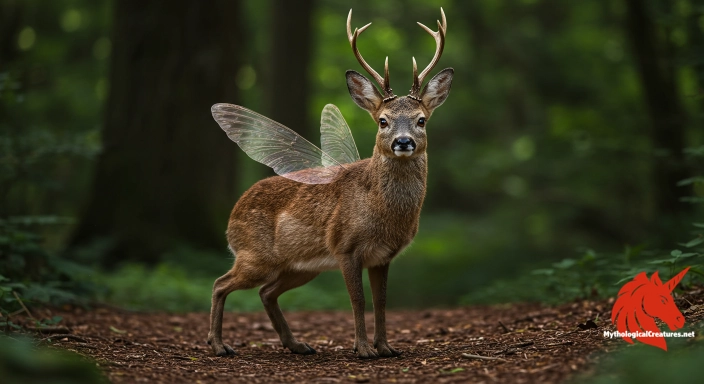
Dare to Meet the Wolpertinger....
Curated by the Mythological Creatures Team
Series editor: Mythological Creatures Directory
Primary desk: Hellenic & Ancient Mediterranean Desk
(rev. November 2025)