
Fengli: Fengli is a legendary mythified flying mammal from Chinese folklore, often described as a wind-associated leopard cat.

Fengli
Fengli - Fengli embodies the mysterious interplay between nature and myth in ancient Chinese cultural narratives.
Origins & First Encounters
Fengli is an enchanting creature that occupies a unique space in the rich spectrum of Chinese mythology. Its origins are deeply embedded in ancient literary traditions where imaginative texts brought forth a mythified flying mammal with captivating attributes. Early records portray this being as a mystical fusion of natural agility and subtle supernatural charm, blending the essence of a leopard cat with the sweeping power of the wind. The illustrious Taiping Yulan, an encyclopaedic record compiled in the 10th century, first gathered its remarkable descriptions in a systematic way. Its name, literally translating as 'wind leopard cat', symbolically merges the earthly features of a feline with ethereal qualities that evoke the spirit of gusting breezes. Traditional narratives imbue the creature with a sense of dynamism that connects terrestrial life to the expansive skies. Over time, the legend has maintained a steady presence in the folklore and artistic expressions of the region. The enduring image of fengli serves as a reminder of the interplay between nature’s tangible power and its mysterious, unseen energies. A continual reimagining in both ancient and modern tales ensures that its myth remains both influential and ever-alluring.
Source Texts & Tale Variants
Ancient texts have preserved the tale of fengli across centuries, enriching its lore with layers of narrative depth. The esteemed Taiping Yulan offers one of the earliest comprehensive accounts by cataloguing its distinctive qualities alongside other legendary phenomena. Later, the renowned Bencao Gangmu added further details by including it in the compendium of materia medica, thereby linking its existence to natural remedies and mysticism. Multiple manuscripts and local oral narratives have contributed varied details that colour its story with regional nuances. Japanese records dating back to the Edo period introduce the creature as fūri, thereby extending its legacy beyond Chinese borders. Varied accounts alternate between highlighting its medicinal associations and its role as a supernatural emissary of the wind. Diverse storylines contribute to an evolving narrative that captures both the gentle and formidable aspects of the creature. This rich tapestry of texts and traditions has cemented fengli as a multi-dimensional symbol within classical lore. Every variant adds distinctive layers to its myth, ensuring that its legend is perpetually retold and reinterpreted.
Form & Powers
Fengli is frequently depicted with a sleek, agile body that seamlessly combines the physicality of a terrestrial mammal with the elegance of an airborne spirit. Its wings, rendered with the delicacy of both bat and bird, are adorned with intricate patterns that evoke the rhythm of the shifting wind. The creature’s pelt is reminiscent of a leopard cat, marked by spots that seem to shimmer with an otherworldly luminescence. Keen, expressive eyes and a subtle snout further suggest an alertness that belies its fantastical nature. Artists portray its limbs as both delicate and powerful, capturing the balance necessary for graceful flight. A long, sinuous tail completes its aerodynamic form, adding to the mystique of its appearance. Perceptions of its size vary, with some images showing a diminutive yet determined figure, while others present a grand, commanding silhouette dominating the skies. Hints of iridescence along its fur contribute to an overall visual effect that appears to capture the very essence of the wind. Such detailed artistic renderings have made fengli an enduring emblem of nature’s beauty and the allure of myth.
Regional Faces
Different regions have embraced fengli with interpretations that bestow unique symbolic meanings on the creature. In parts of China, it is seen as a harmonious embodiment of nature, reflecting the balance between dynamic weather and the calm spirit of the land. Local canvases and temple art frequently portray fengli as a benevolent presence that brings gentle winds and balanced climates. In these communities, its image is associated with goodwill and is sometimes featured in ceremonial festivals. Meanwhile, in Japanese sources from the Edo period, the creature is known as fūri and is celebrated through art and literature as an auspicious harbinger of fortune. Such local adaptations enable a blending of fengli’s inherent mystique with indigenous cultural symbols and artistic traditions. Although its physical depiction remains largely consistent, regional narratives often adjust its symbolic roles—from protector of seasonal harmony to a guardian of natural forces. These varied portrayals underscore the flexibility with which ancient mythologies can be woven into the cultural fabric of each locale. The diverse regional adaptations all contribute to a multifaceted legacy that enriches fengli’s overall mythos.
Cultural Parallels
Fengli invites comparison with legendary creatures from various cultural traditions, highlighting a universal fascination with hybrid beings. Its flight and feline grace are reminiscent of the transformative energy found in other mythic fliers like the phoenix, each embodying the interplay of earthly vigour and celestial wonder. The creature’s unique merger of terrestrial and aerial traits parallels the mythical griffin and other winged beasts that recur in global legends. Such similarities illustrate a broader narrative where elements of the natural world transcend ordinary limits to assume a magical dimension. The blend of natural ability and a touch of the supernatural in fengli resonates with the enigmatic hybrids present in diverse folkloric traditions. This cross-cultural comparison emphasises that the allure of combining relatable animal characteristics with fantastical abilities is a recurring theme in myth-making worldwide. In various traditions, similar hybrid creatures are revered as mediators between the physical and spiritual realms. These parallels invite a comparative study of how different cultures utilise myth to express the awe of nature’s hidden possibilities. Through such insights, fengli emerges as part of a larger tapestry that binds together disparate mythologies under a shared celebration of the extraordinary.
Legacy & Modern Evolution
Over the centuries, the depiction of fengli has gracefully evolved from a strictly mythological figure to a symbol imbued with rich cultural significance. Ancient encyclopaedic records laid the groundwork for its myth, and successive generations have added reinterpretations that capture its shifting essence. Early artistic portrayals have transformed through local adaptations and creative reimaginings, reflecting changes in societal values and aesthetics. In modern creative fields such as literature, film, and digital art, fengli appears as a dynamic emblem of freedom and transformative natural energy. Contemporary designers blend its timeless imagery with modern stylistic sensibilities, creating a bridge between traditional artistry and today’s visual culture. Urban art initiatives and cultural festivals occasionally celebrate its form, emphasising a playful yet respectful nod to its deep-rooted legacy. New age enthusiasts and environmental campaigns have embraced fengli as a metaphor for resilience and nature’s unpredictable grace. Each modern reinterpretation honours its historical layers while infusing it with current ideas about innovation and the natural world. The creature’s enduring presence in popular culture testifies to its capacity to inspire creative dialogue, ensuring that its legacy thrives in both folklore and future imaginings. Through these evolving portrayals, fengli remains a timeless symbol that continues to captivate and unite diverse cultural expressions.
Interesting Fact
An intriguing aspect of Fengli is how it seamlessly blends natural feline traits with fantastical elements like wings and wind affinity, making it a unique figure in cross-cultural mythologies.
For myth educators and toolmakers
Built a resource for mythology learners?
If you offer courses, teaching tools, or research platforms focused on myth and folklore, consider a discrete placement on our reference pages.
Introduce your resourceQuick Creature Info
Features:
Associations:
Our Mythic Legendary Rating:

Also Sometimes Known As:
Habitat:
Supernatural Powers:
Physical Attributes:
Abilities:
Behavior:
Weaknesses:
Lore:
References
Discover Another Mythical Legend You May Not Have Heard Of?
Uncover the mysteries of ancient folklore and expand your knowledge of legendary beings from cultures around the world.
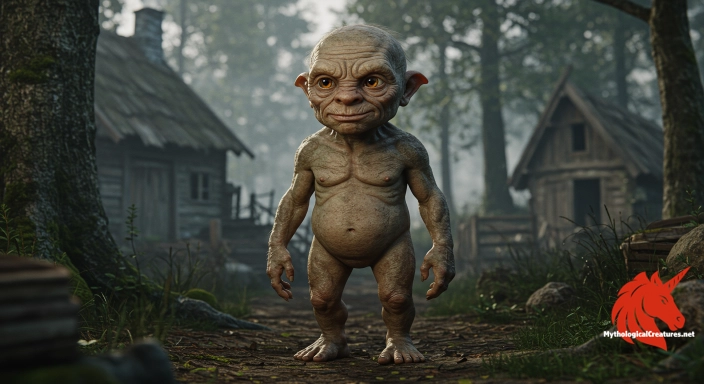
Dare to Meet the Nis Puk....
Curated by the Mythological Creatures Team
Series editor: Mythological Creatures Directory
Primary desk: Asian & Pacific Myth Cycles Desk
(rev. November 2025)