
Feuermann: The Feuermann is a formidable fiery ghost from German folklore with a large, glowing, and burning appearance.
-4ead60e6-01f8-4924-94f5-ca64d9139ccf_small.webp "Feuermann - Distinguished from the smaller will-o'-the-wisp, the Feuermann's imposing, fiery form serves as a potent symbol of the raw and unpredictable nature of fire in folklore.")
Feuermann
Feuermann - Distinguished from the smaller will-o'-the-wisp, the Feuermann's imposing, fiery form serves as a potent symbol of the raw and unpredictable nature of fire in folklore.
Origins & First Encounters
The Feuermann stands as a captivating embodiment of flame and mystery in German folklore, whose tale has been passed down through the ages with awe and apprehension. Born from ancient pagan traditions, this fiery apparition was first chronicled in regional oral narratives that spanned medieval Europe. His existence is interwoven with the symbolism of fire as both a creative and destructive force. In many accounts, he appears as a luminous figure, captivating those who chance upon his fleeting presence. The Feuermann is celebrated not only for the supernatural heat that he exudes, but also for his role in warning communities against the hazards of untamed fire. Over time, his image has come to reflect a deep cultural respect for the unpredictable powers of nature. Despite the variations in his depictions across different eras, the core motif of incandescent transformation remains vivid in every telling. His legend serves as an enduring reminder of how elements of nature can inspire both reverence and fear.
Source Texts & Tale Variants
Ancient manuscripts and local folklore serve as the primary reservoirs of the Feuermann’s myth, with stories handed down orally long before they were committed to paper. Early texts reveal that he was once considered a potent symbol of the elemental spirit of fire, distinct from the more diminutive will-o'-the-wisp. Folk tales collected from rural German communities detail his appearance on cold nights, illuminating the darkness with a vibrant, almost sentient glow. Various collections, including those inspired by the Brothers Grimm, echo his many names such as Brennender and Züsler, each reinforcing a unique aspect of his fiery nature. Story variants often paint him as a volatile presence that can either warn of impending danger or herald the arrival of fortune through his capricious light. In some regions, the Feuermann is portrayed as a solitary wanderer whose path marks the boundary between the known and the mystical. Despite differences in narrative tone—ranging from benevolent guide to foreboding omen—the intrinsic association with fire unites all portrayals. The enduring nature of these accounts testifies to his profound role in the mythological landscape of German-speaking cultures. Oral traditions continue to enrich his story by adapting his character to fit local customs and seasonal rituals.
Form & Powers
The physical manifestation of the Feuermann is described with striking detail and a sense of otherworldly dynamism. Often envisioned as a towering figure composed entirely of flickering flames, his form shifts constantly like a living blaze. His body appears both solid and fluid, as if forged from molten embers that dance in the night air. Witnesses of his apparition speak of a radiant glow that illuminates his silhouette, giving him the appearance of a man forged in the heart of a bonfire. Distinctive features, such as eyes that burn like hot coals and limbs outlined by a transient aura, set him apart from ordinary earthly beings. The interplay of light and shadow across his form creates the impression of perpetual movement, echoing the unpredictable nature of fire itself. Some accounts even suggest that his presence is accompanied by a subtle scent of smoke and the crackling of distant flames, deepening the sensory impact of his appearance. These detailed descriptions underscore a figure whose size and potency surpass that of more common spectral phenomena, imbuing him with an unmatched intensity and mystique.
Regional Faces
The visage and narrative of the Feuermann shift significantly across the diverse regions of the German-speaking world. In several areas, he is known by a variety of names such as Brünnling and Glühender, each term reflecting subtle differences in local interpretation and dialect. In the lowland areas, his appearance is often tied to warnings about natural hazards, with communities regarding him as a signal of approaching misfortune. Conversely, in the Alpine regions, he sometimes assumes the role of a guardian, protecting sacred fires and traditional hearths from the encroachment of darkness. Rural storytellers from different villages infuse their local customs and seasonal celebrations into his lore, making his narrative a living part of communal identity. These regional adaptations often colour his character with varying emotional tones—from the foreboding spectre in one locale to a benevolent, if mysterious, presence in another. Such differences highlight the flexibility of myth, allowing the Feuermann to remain relevant by reflecting the environmental and cultural conditions of each region. His adaptability and the local embellishments in each retelling serve to reinforce the deep connection between community life and the elemental force of fire.
Cultural Parallels
When compared to other mythological entities associated with fire, the Feuermann occupies a distinctive niche within the tapestry of European folklore. Unlike the small, elusive will-o'-the-wisp, his larger and more defined presence embodies a strident celebration of the transformative power of flames. Similar to the Celtic fire beings and even select depictions of the Hindu Agni, he embodies elements that are at once destructive and regenerative. Despite these parallels, the Feuermann's robust physicality and vivid portrayal set him apart, reinforcing a specific cultural narrative in the German milieu. His comparison with other fire spirits from across the world reveals a shared human fascination with fire as a symbol of passion, danger, and renewal. These cross-cultural reflections allow for a broader understanding of fire’s mythostoric role, where each tradition reframes the force in accordance with local values. Unlike some of his counterparts who exist solely as fleeting wisps, the Feuermann is often celebrated with a tangible, almost corporeal presence. This blend of approachable human outline with untamable wild fire elevates his status and deepens the comparative discourse among various fiery legends.
Legacy & Modern Evolution
The evolution of the Feuermann from a spectral fire spirit in early folk tales to a symbol of mystical energy in modern culture illustrates his enduring appeal. Originally, his flame-lit image served to explain the unexplained and to invoke respect for the dangers and wonders of natural fire. Over the centuries, his fiery character has been reinterpreted by artists and writers, finding a new place in gothic literature and contemporary fantasy genres. Modern adaptations often explore his dual nature, balancing the themes of decay and renewal inherent in fire. His transformation in popular media has seen him appear in films, role-playing games, and art exhibitions, where he is both revered as a cultural icon and analysed for his symbolic richness. His imagery sometimes serves as a metaphor for the volatile yet creative forces of modern life. Festivals, especially those celebrating the winter solstice or harvest, continue to invoke his myth, linking ancient ritual with contemporary celebration. As the legacy of the Feuermann persists, his tale reminds us of the timeless human quest to understand and harness nature's most elusive and powerful phenomena.
Interesting Fact
An intriguing aspect of the Feuermann is that its imposing, fiery form has made it a subject of both fear and fascination, often blurring the line between a destructive force and a supernatural guardian in German folklore.
For indie creators
Give your myth project a permanent home
Indie authors, artists, small studios, and makers can secure an annual, non-intrusive sponsor slot that meets readers where they explore.
Obtain more informationQuick Creature Info
Origin:
Associations:
Our Mythic Legendary Rating:

Also Sometimes Known As:
Habitat:
Supernatural Powers:
Physical Attributes:
Abilities:
Behavior:
Weaknesses:
Lore:
References
Discover Another Mythical Legend You May Not Have Heard Of?
Uncover the mysteries of ancient folklore and expand your knowledge of legendary beings from cultures around the world.
Dare to Meet the Deildegast....
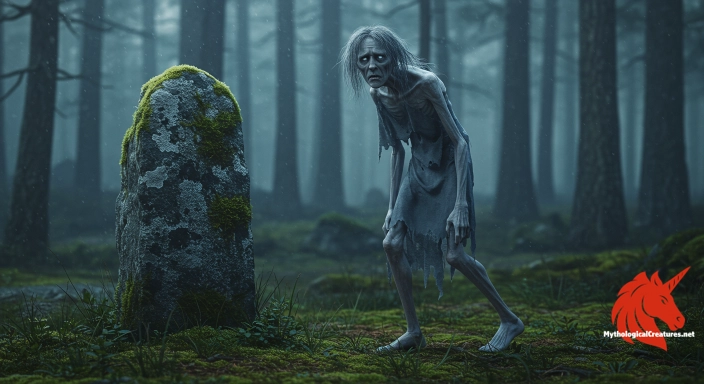
Curated by the Mythological Creatures Team
Series editor: Mythological Creatures Directory
Primary desk: Northern & European Folklore Desk
(rev. November 2025)