
Fire-breathing monster: A fire-breathing monster is a mythological creature known for its fearsome ability to exhale fire.
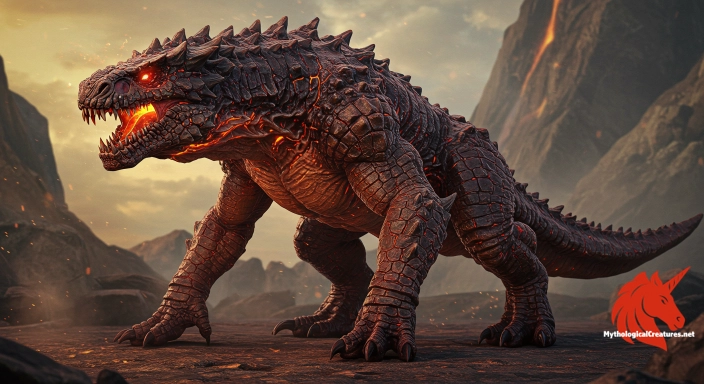
Fire-breathing monster
Fire-breathing monster - Represents the destructive and awe-inspiring power of fire in myth and fantasy.
Origins & First Encounters
The fire-breathing monster emerges as one of the most striking figures in both ancient myth and modern fantasy, celebrated for its ability to wield flame as both a weapon and a symbol. Its roots extend deep into the collective imagination of early civilisations, where tales of creatures exhaling scorching fire spoke to the dual nature of creation and destruction. Early narratives depict it as a trial for heroic figures, a formidable opponent whose fiery breath challenges the very limits of mortal resolve. The creature’s origin is shrouded in mystery, blending elements of magical lore with naturalistic phenomena that hint at a biological fire-producing mechanism. In many legends, its appearance is not merely a physical threat but also a metaphor for the overwhelming forces of nature and change. Over centuries, storytellers across continents have adapted the motif of a fiery breath to reflect local values, fears, and aspirations. Its enduring presence across stories underlines humanity's fascination with the paradoxical qualities of fire—both life-sustaining and devastating. Today, as modern literature and art reimagine ancient myths, the fire-breathing monster continues to inspire awe and wonder, bridging the gap between the elemental past and a future rich in creative reinterpretations.
Source Texts & Tale Variants
Diverse ancient epics, oral traditions, and fragmented manuscripts have kept the legend of the fire-breathing monster alive in myriad forms. Early records from Mediterranean cultures hint at a fearsome creature endowed with the power of flame, often encountered on epic quests or as a divine punishment. Medieval bestiaries enriched the lore further by interpreting the monster’s fiery nature as both a literal and symbolic barrier against evil. In some traditions, the fire-breathing aspect is intertwined with narratives of heroes who face the creature as a rite of passage, adding layers of moral and personal growth to the encounter. Various folklore sources, passed down orally through generations, offer colourful variations that reframe the monster as either a destroyer or a misunderstood guardian of hidden secrets. Some stories emphasise its supernatural origins while others ascribe its abilities to an unexplained, almost mechanical phenomenon reminiscent of natural organic processes. Texts from disparate cultures, though differing in detail, consistently portray this creature as a manifestation of something both dangerous and awe-inspiring. These multifaceted accounts highlight the global appeal of the fire-breathing monster and the wide range of interpretations that its mythic fire has ignited over the ages.
Form & Powers
The physical form of the fire-breathing monster is rendered in vivid detail by ancient storytellers and modern artists alike. It is often depicted as a colossal creature with a massive, gaping maw lined by uneven rows of razor-sharp teeth, engineered in legend to incinerate its foes. Its body is typically cloaked in a tough, scaly hide that shimmers with hues of burning red and molten gold, evoking the appearance of liquid metal under intense heat. Many accounts describe it as possessing expansive, bat-like wings that not only enable flight but also create turbulent currents of hot air as they beat. Adorned with intricate features—such as sharpened horns, spiked crests, or ridged fins—its silhouette combines regality with a raw, untamed ferocity. The creature’s eyes are frequently portrayed as glowing embers, suggesting an inner reservoir of ancient and mystical power. Descriptions also highlight a long, sinuous tail that sweeps behind it, adding to the dynamic and intimidating presence of the beast. Although depictions vary in scale, the creature is invariably shown as imposing enough to dwarf ordinary animals, reinforcing its status as a creature of legend and terror.
Regional Faces
Across different cultures, the fire-breathing monster takes on various local adaptations that reflect regional aesthetics and spiritual beliefs. In European traditions, the creature is most commonly associated with dragons portrayed as heavily scaled, armour-clad beings that often play pivotal roles in heroic quests and chivalric tales. By contrast, East Asian legends lean towards a more serpentine, elegant depiction where the entity embodies a harmonious blend of destructive power and mystical wisdom. In Middle Eastern lore, adaptations of the flame-spewing beast are interwoven with mythic connections to djinn and other supernatural forces, frequently set against the backdrop of vast, arid deserts. Indigenous narratives from other regions sometimes recast the monster into a wild embodiment of nature’s unpredictable fury, where its fire is as much a purifying force as it is a harbinger of chaos. South Asian traditions have also contributed unique flavourings, often imbued with religious symbolism that links fire to both spiritual enlightenment and purification. These regional variants not only adjust physical attributes but also modify the monster’s symbolic role—from an ominous threat to a revered spirit—mirroring local cultural narratives. Collectively, these adaptations underscore how a single mythic motif can be reshaped by diverse communities to reflect their own environmental challenges, values, and artistic expressions.
Cultural Parallels
A cross-cultural examination reveals that the fire-breathing monster shares remarkable similarities with other legendary beings whose narratives are infused with the elemental power of fire. Its ability to exhale flames places it alongside famed creatures such as Western dragons, whose legends also combine the terror of destruction with the allure of treasure and mystery. In numerous traditions, this beast finds a thematic companion in the phoenix, whose cycle of rebirth through fire symbolises both the end of an era and the promise of renewal. Comparative myths also draw parallels with serpentine beings and hybrid creatures that invoke the primal energy of the natural world, reinforcing a shared symbolism of transformation amidst chaos. While the specific details of appearance and origin may differ, these stories consistently use fire as a metaphor for both creative force and destructive devastation. This thematic kinship extends to other mythical figures in global lore that challenge heroes with elemental trials, prompting a spiritual and physical journey of growth. The recurring motif of fire, present in various forms—from the blazing breath of a dragon to the smouldering spirit embodied by other creatures—underscores a universal human fascination with a force that can both nurture and annihilate. Thus, the fire-breathing monster stands as a central archetype in a network of myths that celebrate the paradoxical nature of fire across different cultural landscapes.
Legacy & Modern Evolution
Over the centuries, the depiction of the fire-breathing monster has undergone a significant transformation that mirrors the evolution of myth itself. In medieval times, its searing breath was a vivid emblem of divine retribution and the untamable forces of nature, used to warn of the dangers of impetuous ambition. Renaissance artists and writers reinterpreted the creature with an enriched symbolism, blending its terrifying aspect with allegories of metamorphosis and rebirth. As modern fantasy literature and cinema emerged, the monster acquired even greater narrative depth, evolving into a character that could embody both villainy and misunderstood nobility. Contemporary renditions in novels, films, and video games often provide it with nuanced backstories and complex personalities that resonate with modern audiences. The creature’s fiery prowess remains a potent symbol of transformation, reflecting our ongoing fascination with the very element that is essential to both creation and destruction. Its portrayal has shifted from a mere object of fear to an intricate symbol of nature’s dual capabilities. Today, the legacy of the fire-breathing monster endures as a vibrant icon within the mythic imagination, continually reinterpreted to mirror the shifting cultural and artistic sensibilities of our time.
Interesting Fact
Its fire-breathing ability has been explained through both magical and naturalistic lenses, reflecting the rich interplay between myth and early scientific thought about the natural world.
For publishers and studios
Your next readers are already here
Many of our visitors are looking for books, campaigns, and resources that deepen their journey into myth. Position your title or setting here.
Discuss a placementQuick Creature Info
Origin:
Features:
Associations:
Our Mythic Legendary Rating:

Habitat:
Supernatural Powers:
Physical Attributes:
Abilities:
Lore:
References
Discover Another Mythical Legend You May Not Have Heard Of?
Uncover the mysteries of ancient folklore and expand your knowledge of legendary beings from cultures around the world.
Dare to Meet the Kodama....
-7ee5a3bd-2e14-4e47-b6a6-b21ef7692cb0_small.webp "Depiction of Kodama")
Curated by the Mythological Creatures Team
Series editor: Mythological Creatures Directory
Primary desk: Hellenic & Ancient Mediterranean Desk
(rev. November 2025)