
Fomorians: The Fomorians are a hostile, monstrous race in Irish mythology, originating from the sea and earth.
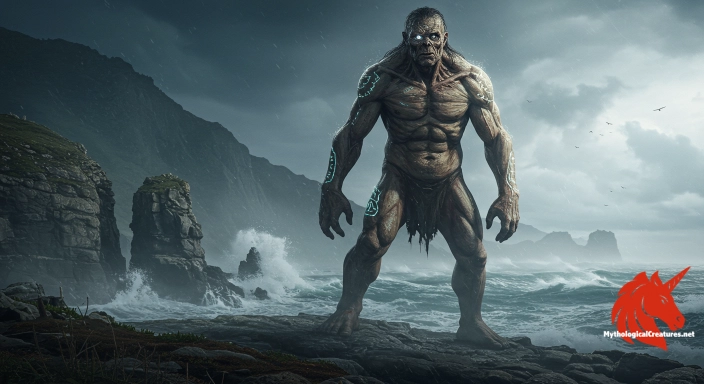
Fomorians
Fomorians - They represent the destructive forces of nature, embodying chaos, darkness, death, blight, and drought, and are central to the mythological conflicts in Irish lore.
the legend in five swipes.
the legend in five swipes.
Fomorians: Where the Legend Started
The Fomorians emerge in Irish myth as one of the most formidable and enigmatic supernatural races, their origins steeped in the primordial mists of early Ireland. They are depicted not merely as antagonistic beings but also as embodiments of the chaotic, untamed forces that predate civilisation. Ancient lore hints that these beings arose from the depths of the sea or the very bowels of the earth, symbolising nature’s darker, unpredictable side. Their first attestation in mythic texts places them at the heart of Ireland’s cosmic struggles, setting the stage for dramatic confrontations with the more benevolent Tuatha Dé Danann. Their presence in the mythic tradition reflects a world where natural and supernatural realms are intimately intertwined, challenging humanity’s foothold in a disorderly cosmos. As figures both feared and revered, they came to signify the raw, destructive power of nature in its most ungovernable form. The portrayal of the Fomorians by early storytellers invited audiences to confront the inevitability of decay and calamity. Over centuries, they have maintained their status as potent cultural symbols, representing both the menace and mystery of the land’s ancient, overwhelming forces. Their role in early Irish mythology continues to provoke a contemplation of chaos versus order, offering insights into how early communities grappled with the untameable aspect of their natural environment. In this way, the Fomorians not only populate myth but also embody the existential conflicts inherent to human experience.
Who wrote down the legend of the Fomorians?
The narratives concerning the Fomorians have been preserved in a variety of medieval manuscripts and oral traditions that have survived through the ages. Central texts, such as the Lebor Gabála Érenn, detail their origins and the epic conflicts that defined their role in the mythic landscape. In these accounts, multiple versions of their story can be discerned, each reflecting the evolving concerns and values of early Irish society. Some stories centre on the climactic Battle of Mag Tuired, where the Fomorians clash with the Tuatha Dé Danann in a struggle that symbolises the contest between chaos and cosmic order. Other narrative strands present them as sea raiders and giants whose very existence underlines the perils faced by Ireland’s first settlers. Varying depictions in different sources have at times painted them as cursed remnants of a bygone era, while in other variants they possess traits hinting at a tragic nobility beneath their monstrous exterior. The diversity of these texts indicates that the Fomorian myth evolved in response to shifting cultural memories and local traditions. The interplay between written accounts and oral lore has ensured that their legend remains fluid and open to reinterpretation. Such a tapestry of sources invites a richer understanding of how mythology adapts to the needs and fears of its audience over time. Ultimately, these narratives continue to be a window into ancient perceptions of the otherworldly and the uncontrollable.
What did people say the Fomorians looked like?
The physical depiction of the Fomorians is as dramatic as it is disconcerting, often rendering them as beings of enormous stature and warped form. They are frequently illustrated with exaggerated, monstrous features that blur the line between man and beast. Their visages are described as misshapen, possessing asymmetrical attributes such as uneven eyes or distorted facial structures that evoke both horror and awe. In many portrayals, their bodies are robust and hulking, with sinewy limbs and rugged textures that suggest a close affinity with the raw elements of the earth. Artistic renditions sometimes include features such as horns or scaled skin, aspects that further underline their connection to the untamed forces of nature. The Fomorians’ appearance is not merely a matter of size, but also of a profound sense of deformity that symbolises decay and primordial chaos. Their complex physiognomy varies from account to account, with some traditions marking them as fearsome giants and others hinting at a more fluid, sea-born elegance. Each representation encapsulates a duality where beauty is intermingled with the grotesque, provoking both repulsion and a reluctant admiration. The diversity of their physical descriptions reflects the myriad ways in which ancient storytellers visualised the threats that lurked beyond the familiar confines of civilisation. In essence, the Fomorians’ morphology stands as a powerful visual metaphor for the tumultuous and often unpredictable forces of nature.
How did location shape the story of the Fomorians?
Regional variations of the Fomorian myth reveal a fascinating spectrum of local interpretations across Ireland and its neighbouring Celtic regions. In the western parts of Ireland, these beings are often portrayed as formidable sea raiders, embodying the relentless and sometimes pejorative presence of the ocean in local lore. In contrast, traditions from the northern hinterlands sometimes characterise them as ancient, earthbound titans whose very existence is intertwined with the rugged landscape. Such variations are reflective of the differing natural environments and cultural foci between coastal communities and those situated further inland. Certain local adaptations imbue the Fomorians with a more tragic dimension, portraying them as cursed remnants of an era when the natural world reigned supreme and unbridled chaos was a daily reality. In border areas where Celtic traditions intermingle, elements of both maritime and terrestrial origins are interwoven, creating hybrid depictions that underscore the fluidity of myth. These regional differences often serve to highlight the underlying societal concerns of each community, whether it be the fear of coastal storms or the menacing unpredictability of wild, forested lands. The diversity of these regional narratives demonstrates how a single mythic entity can adopt different hues depending on the landscape and cultural ethos of its tellers. Ultimately, the regional variations of the Fomorian legend affirm that myth is not static, but rather a living tradition that adapts to the natural and sociopolitical environment of its audience. In doing so, it bridges the gap between local experience and universal themes of chaos and order.
Does another culture have a figure like the Fomorians?
Broadly speaking, the Fomorians share striking similarities with other mythological entities that embody the struggle between primordial chaos and divine order. Their character resonates with the Titans of Greek lore, who similarly stood in opposition to the established pantheon with their formidable, ancient might. Comparable elements can also be noted in Norse mythology, where giant adversaries often represent the uncontrollable forces of nature that threaten the gods themselves. This parallel underscores a common Indo-European tradition in which cosmic battles serve as metaphors for the eternal tension between order and disorder. In Indian myth, the Devas and Asuras provide another salient example, where divine and demonic forces vie for supremacy in a narrative that echoes the elemental conflicts observed in Irish lore. The Fomorians, like these counterparts, encapsulate both physical might and metaphysical symbolism, acting as harbingers of natural chaos. Such cross-cultural connections highlight a universal human impulse to personify the inexplicable forces of nature and to articulate them through myth. Their hybrid, liminal traits—that of being partly human yet distinctly other—further connect them to a wide array of mythic monsters across the ancient world. This shared mythology not only reveals similar narrative structures but also speaks to a collective understanding of nature’s capricious power. In recognising these cultural parallels, one perceives the Fomorians as part of a greater mythological dialogue that spans continents and epochs.
Fomorians: The Modern Legacy
The mythological journey of the Fomorians has undergone a remarkable evolution from antiquity to the modern era. Initially cast as embodiments of unbridled natural chaos and malevolence, they have gradually been reinterpreted through shifting cultural lenses and historical contexts. Over time, their image has moved beyond simple antagonism, often conveying complex themes of alienation and the inevitable interplay between creation and destruction. In more recent literary and artistic treatments, they serve as potent symbols of nature’s enduring, if sometimes dark, influence on human civilisation. Modern reinterpretations frequently explore a dualism within the Fomorians, blending sorrowful tragedy with the relentless force of the elemental world. Contemporary cultural depictions have embraced the nuance of their character, sometimes portraying them as victims of fate as much as agents of chaos. Their myth continues to resonate in modern discourse, particularly in explorations of environmental change and the consequences of unbridled progress. The enduring legacy of the Fomorians as complex, multi-dimensional figures reinforces their capacity to evoke both fear and empathy. As a result, they remain a compelling subject in the studies of mythology and literature alike. Ultimately, their evolving story reflects an ongoing conversation about the balance of power between civilisation and the raw, untameable energies of the natural world.
Interesting Fact
A notable aspect of Fomorian lore is the blurred boundary between enemy and kin, as interbreeding with the Tuatha Dé Danann produced hybrids that play a crucial role in mythological genealogies.
Mythological Treasures
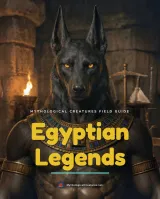
Egyptian Legends: A field guide to the gods and monsters of ancient Egypt
Guardians of the living and devourers of the dead, with the role each played in judgement.
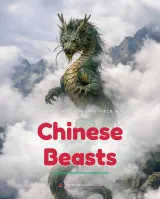
Chinese Beasts: A field guide to the dragons and demon kings of Chinese myth
From river dragons to demon kings, with the legends that shaped five thousand years of storytelling.
Japanese Yokai: A field guide to the spirits and demons of Japanese folklore
Fifteen spirits, with the signs to watch for and what the old tales say to do if you meet one.
the legend in five swipes.
Curated sponsor space
One subtle banner. Thousands of myth lovers.
We offer a small number of curated sponsor spots for relevant books, courses, games, and art. No clutter, just well-matched partners.
Partner with usQuick Creature Info
Associations:
Our Mythic Legendary Rating:

Also Sometimes Known As:
Habitat:
Supernatural Powers:
Physical Attributes:
Abilities:
Behavior:
Lore:
Related Creatures, Tales or Lore
- TTitans
- JJötnar
- AAsuras
References
Discover Another Mythical Legend You May Not Have Heard Of?
Uncover the mysteries of ancient folklore and expand your knowledge of legendary beings from cultures around the world.
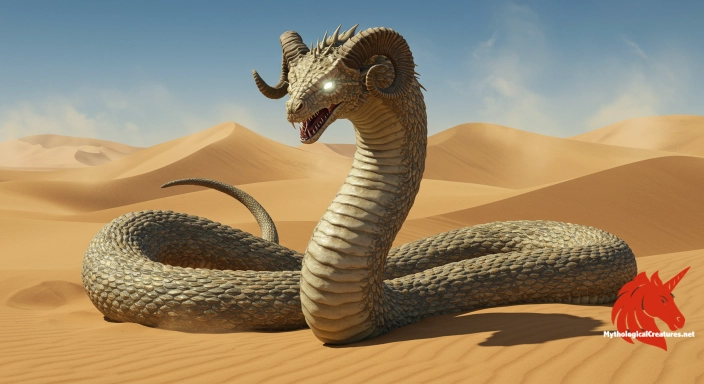
Dare to Meet the Cerastes....
The Mythological Creatures Book Series
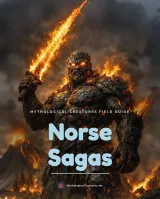
Yokai, Greek, Norse, Egyptian & Chinese. Five illustrated field guides to the creatures the old stories either warned or told you about.
Curated by the Mythological Creatures Team
Series editor: Mythological Creatures Directory
Primary desk: Northern & European Folklore Desk
(rev. November 2025)