
Germanic dragon: The Germanic dragon, also known as worm, wurm or wyrm, is a fearsome mythological serpent renowned in Germanic folklore.
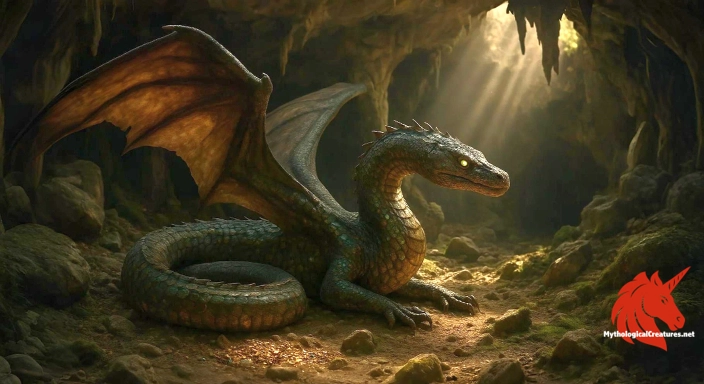
Germanic dragon
Germanic dragon - Represents the perils of avarice and the chaotic forces in Germanic mythology.
Origins & First Encounters
The Germanic dragon emerges from ancient myth as a multifaceted figure that has evolved through centuries of storytelling. Its origins are deeply rooted in the pre-Christian narratives of Germanic peoples, where the creature was first attested in texts such as Beowulf and early Norse sagas. Early descriptions portray it primarily as a venomous, serpentine beast, intricately tied to the symbolism of chaos and destruction. As legends advanced, the image of the dragon expanded to include attributes like wings and a fearsome, otherworldly presence. This creature was more than a mere monster; it symbolised the corrupting nature of greed as it hoarded vast treasures. Throughout the medieval era, the dragon’s portrayal mirrored shifting cultural, religious, and social realities across various Germanic communities. Its transformation from a simple serpent to a majestic beast reflects the dynamic interplay between myth, art, and morality. The enduring appeal of the Germanic dragon lies in its ability to encapsulate both the terror of the unknown and the allure of forbidden wealth.
Source Texts & Tale Variants
Medieval epics such as Beowulf and the Völsung Cycle provide the foundational narratives for the Germanic dragon, offering early glimpses into its mythic role. Story variants abound, with texts recounting dragons that hoard vast treasures or engage in epic battles with heroes. The figure of Fáfnir in the Völsung tradition stands as a prime example of a dragon whose transformation from man to beast encapsulates the tragic consequences of greed. Other texts refer to Níðhöggr, whose malevolent presence underscores themes of decay and cosmic imbalance. Norse sources also recount the saga of Jörmungandr, the great sea serpent tied to eschatological lore and the unfolding of fate. In addition to written records, oral traditions and regional folktales have enriched the tapestry of stories surrounding these creatures. Manuscript variations reveal subtle differences in the narrative details, reflecting the influence of regional storytelling traditions. Collectively, these sources highlight a complex mythological legacy that has been diligently shaped and reshaped over time.
Form & Powers
The Germanic dragon is often depicted with a sinuous, elongated body that evinces both grace and menace. Its scales are described in vivid detail, ranging from dark, weathered tones to shimmering, almost metallic hues that speak of its ancient origins. Early illustrations present it as a colossal serpent with a powerful, muscular form that coils around its hoard. Over time, additional features such as majestic wings and spiked tails were incorporated, lending it an almost regal quality despite its ferocity. The creature’s eyes gleam with a prognosis of danger, and its snout is frequently shown as lined with rows of sharp, gleaming teeth. Some depictions include horn-like protrusions and ridged spines that enhance its ominous silhouette. The varying size and form often reflect the creature’s dual nature as both a symbol of natural chaos and of divine retribution. Altogether, these physical characteristics combine to create an image that is both terrifying and captivating in the eyes of its beholders.
Regional Faces
Across the Germanic world, the depiction of the dragon shows remarkable regional diversity despite a common mythological root. In Norse regions, the creature is occasionally intertwined with maritime legends, appearing as a massive sea serpent that encircles the world. Anglo-Saxon traditions lean towards portrayals of the dragon as a solitary, treasure-hoarding adversary, echoing themes of isolation and greed. Continental Germanic myths sometimes depict variants like the lindworm, which eschews wings in favour of a purely serpentine form. Regional adaptations often reflect local values and natural landscapes, with some communities emphasising its connection to earth and stone, while others highlight its association with the stormy elements. Different localities have also modified the creature's name and attributes, thereby weaving unique cultural insights into its character. Such regional variations have enriched the overall myth by adding layers of local colour and interpretation. The regional diversity of the Germanic dragon underscores a shared legacy that has been adapted to meet the distinct narrative needs of each community.
Cultural Parallels
The Germanic dragon shares striking similarities with legendary creatures from various cultural spheres, underscoring a universal motif of monstrous guardianship and chaos. Its serpentine nature invites comparisons with the Eastern dragon, which while less malevolent, still embodies a powerful connection to nature and elemental forces. Like the Greek Hydra or the biblical Leviathan, the Germanic dragon embodies both a physical and metaphoric struggle against overwhelming odds. Its legendary hoarding of treasure parallels that of dragons in other European traditions, where the beast’s greed serves as a cautionary emblem against avarice. Intercultural studies reveal that the recurring image of a giant, fearsome serpent often symbolises humanity’s battle with nature and the darker aspects of the human psyche. The cross-cultural analysis draws parallels with creatures like the Aztec Quetzalcoatl, highlighting transformative qualities despite divergent mythic roles. These comparative elements not only elucidate the omnipresence of the dragon motif but also accentuate its adaptability across different mythological landscapes. Examining these similarities deepens the understanding of how dragons capture a universal fear and fascination across the world.
Legacy & Modern Evolution
The historical evolution of the Germanic dragon mirrors a broader transformation in the way societies interact with myth and legend. Early depictions, rooted in stark and raw imagery, gradually gave way to more elaborate and symbolically rich representations during the medieval period. Over time, as the boundaries between pagan and Christian thought blurred, the dragon became a metaphor for sin, greed, and existential retribution, reflecting the moral dilemmas of its era. In modern times, the dragon has experienced a renaissance, finding new life in literature, cinema, and popular culture across Europe and beyond. Contemporary portrayals often blend traditional elements with imaginative reinterpretations, presenting the dragon as both a formidable adversary and a complex, sometimes even sympathetic, character. Museums, academic studies, and artistic exhibitions continue to celebrate its fascinating diversity and evolving symbolism. The creature’s legacy endures partly because it captures the enduring human fascination with the unknown and the allure of forbidden power. As a timeless icon, the Germanic dragon persists as a bridge between ancient myth and modern fantasy, continually inspiring creative exploration and debate.
Interesting Fact
The term 'wyrm' not only denotes a serpent but has significantly influenced modern fantasy, shaping the contemporary image of dragons across various cultures.
Partner with us
Sponsor this space
Reach thousands of mythology enthusiasts with a curated placement on our creature pages.
Learn about sponsorshipQuick Creature Info
Origin:
Associations:
Our Mythic Legendary Rating:

Also Sometimes Known As:
Habitat:
Supernatural Powers:
Physical Attributes:
Abilities:
Behavior:
Weaknesses:
Lore:
Related Creatures, Tales or Lore
- FFafnir
- NNíðhöggr
- JJörmungandr
References
Discover Another Mythical Legend You May Not Have Heard Of?
Uncover the mysteries of ancient folklore and expand your knowledge of legendary beings from cultures around the world.
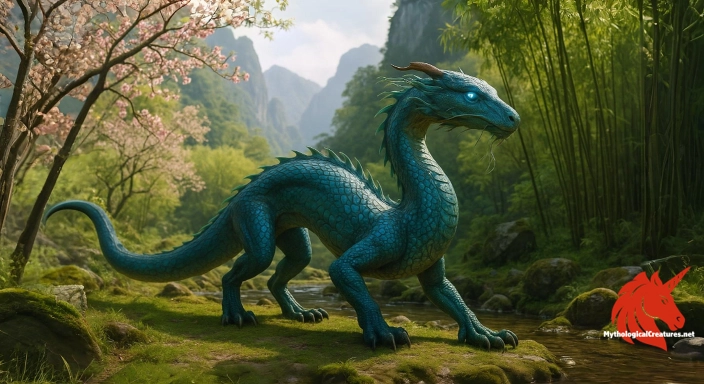
Dare to Meet the Azure dragon....
Curated by the Mythological Creatures Team
Series editor: Mythological Creatures Directory
Primary desk: Northern & European Folklore Desk
(rev. November 2025)