
Gillingr: Gillingr is a jötunn from Norse mythology known primarily as the father of Suttungr.
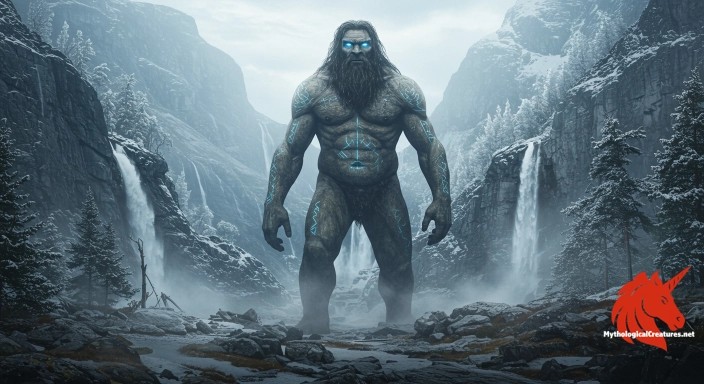
Gillingr
Gillingr - His death is a turning point that leads to his son, Suttungr, obtaining the mead of poetry.
Origins & First Encounters
Gillingr emerges from the mists of Norse myth as a formidable jötunn whose narrative is steeped in themes of familial legacy and cosmic retribution. His presence, though briefly attested in ancient sources, hints at the complex interplay between the primordial forces of nature and the mortal realm. He is best remembered as the father of Suttungr, an association that weaves his fate into the celebrated myth of the mead of poetry. His life, marked by betrayal and violent ends, reflects the turbulent destinies that often befall those outside the divine order. Rooted in the Old Norse tradition, Gillingr’s story draws on centuries of oral tradition later transcribed by medieval scribes. The sparse records of his earliest mentions have grown into a narrative emblematic of fate’s inexorable pull. His brief yet potent myth invites reflection on the nature of power, legacy, and the tragic cycles that define mythic lore. Elements of his tale resonate with larger themes found across Norse literature, inviting modern audiences to explore the shadowy margins of the mythological world. Ultimately, his story encapsulates enduring questions about honour, betrayal, and the interplay of cosmic forces.
Source Texts & Tale Variants
Medieval Norse texts offer the primary window through which Gillingr’s legend is viewed, even though his story survives in only fleeting mentions. His character appears subtly within the broader tapestry of jötunn narratives, a detail highlighted in the fragmented poetic accounts of the era. Later collections, such as those seen in the Prose Edda, embed his legacy within the complex dynamics of mythic vengeance and familial strife. Oral traditions, passed down through generations, suggest variations where Gillingr’s role might have been more pronounced, reflecting the mutable nature of legendary storytelling. Some versions diminish his presence, while others portray his tragic fate as a cornerstone for subsequent events in the myth of the mead of poetry. The narrative of his murder at the hands of the dwarfs Fjalar and Galar forms a critical turning point in these retellings. Each variant, whether emphasising the stark brutality or the inevitable cycle of retribution, underscores the rich diversity of Norse mythological tradition. Despite the scant direct references, his story is intricately interwoven with the themes of betrayal and cosmic justice that define the ancient lore. In this way, the legacy of Gillingr is preserved through a dynamic interplay of documented and oral histories.
Form & Powers
Gillingr might be envisioned as a towering figure with a weather-beaten visage that speaks to the harshness of the northern wilds. His features, rough and almost sculpted from the very elements, reflect the raw force of nature that he embodies. Imaginative retellings often paint him as having a muscular, imposing build, with deep-set eyes that burn with an inner, unyielding fury. His hair, unruly and unkempt, is said to cascade in wild tresses that underscore his untamed essence. The narrative tradition hints at a face marked by deep scars and weathered lines, evidence of countless ancient conflicts. In creative depictions, Gillingr’s skin might be imagined as having the texture of rugged, time-worn stone, echoing the enduring strength of primordial forces. Subtle adornments, perhaps primitive jewellery of bone or stone, suggest that even among the giants there was a sense of identity and status. The overall aesthetic of his description channels an elemental chaos, reflective of the role that jötnar play in Norse cosmogony. Such speculative features resonate with broader artistic traditions where giants are portrayed as embodiments of nature’s formidable power. Ultimately, his physical portrayal serves to capture the awe-inspiring terror and power that the jötnar instil in both gods and men.
Regional Faces
Regional narrations of Gillingr’s tale reveal a rich tapestry of local colour and nuance that vary across the Norse world. In Scandinavian regions, his myth is often intertwined with the harsh, frost-bitten landscapes that frame the identity of the jötnar. Icelandic versions of the saga sometimes elevate his role as a symbol of retributive justice, imbuing his character with an almost mythic moral significance. In both Denmark and Norway, local lore assigns additional layers of familial honour and tragic inevitability to his story, reflecting cultural values embedded in the landscape. Continental interpretations occasionally blend his identity with other archaic giant figures, creating hybrid narratives that underscore cross-cultural mythic elements. Some manuscripts portray subtle variations in his appearance, shaped by the particularities of the local environment and storytelling tradition. While certain regions depict him as a malevolent force of nature, others remember him with a measure of tragic nobility, caught in the inexorable web of fate. Regional adaptations of his myth demonstrate how the oral tradition moulds ancient figures to suit new cultural contexts. These diverse portrayals ensure that Gillingr’s legacy remains fluid and resonant, shaped by the ever-changing interplay of local myth and tradition.
Cultural Parallels
The myth of Gillingr parallels other ancient narratives in its depiction of primordial beings enmeshed in epic tales of betrayal and revenge. He occupies a role similar to the titanic figures of Greek mythology, who, like the Titans, embody the raw and untamed aspects of nature. His fate, marked by an undercurrent of treachery at the hands of dwarfs, resonates with global legends where ancestral beings fall to internal strife and external subterfuge. Echoes of his narrative can be found in Celtic myths, where tragic family curses often lead to the eventual rise of new, transformative powers. His story also shares similarities with the monstrous archetypes in Near Eastern traditions, wherein the boundary between chaos and order is repeatedly tested. This cross-cultural comparative framework highlights a universal mythic impulse to explain the origins of creative and destructive forces. The motif of retributive justice that emerges through Gillingr’s bloodline is mirrored in diverse mythologies, reinforcing the constant interplay between legacy and downfall. By examining such parallels, it becomes evident that his sparse narrative is part of a broader, global storytelling tradition where familial betrayal catalyses cosmic change. In this context, Gillingr’s myth stands shoulder to shoulder with other great legends, united by themes of power, betrayal, and the inevitable march of fate. Such comparative analysis enriches our understanding of how different cultures conceptualise the struggle between order and chaos.
Legacy & Modern Evolution
Over the centuries, Gillingr’s myth has evolved from a sparse character sketch into a symbol rich with cultural and literary significance. In medieval codifications like the Prose Edda, his brief appearance serves as a subtle yet pivotal link in the chain of mythic events that shape Norse lore. The resurgence of interest during the European Romantic period further reimagined him, casting his tragic fate in shades of both grandeur and melancholy. Modern reinterpretations continue to explore the complexities of his character, often positioning him as a prelude to greater narratives of cosmic conflict and poetic transformation. Contemporary artists and writers have drawn upon his brief yet potent myth to explore themes of loss, justice, and the cyclical nature of vengeance. His connection to the story of the mead of poetry, imbued with the eternal quest for wisdom, underscores the paradoxical transformation of grief into cultural bounty. In academic and literary circles, Gillingr is now regarded as an archetype whose elusive narrative challenges simple moral categorisation. Present-day adaptations, whether in fantasy literature or visual media, invoke his image to evoke the enduring allure of ancient myth. His evolving legacy not only bridges ancient and modern sensibilities but also reinforces the timeless appeal of Norse mythology. In this way, Gillingr continues to captivate audiences, embodying a spirit of tragic nobility that transcends time and tradition.
Interesting Fact
Gillingr's murder by dwarfs is an unusual twist in Norse mythology, challenging typical power dynamics between giants and dwarfs.
For authors, artists, and makers
Created something from the realm of myth?
If your book, deck, game, or artwork draws from legendary creatures and lore, you can showcase it here in a tasteful, year-round placement.
Share your projectQuick Creature Info
Origin:
Features:
Our Mythic Legendary Rating:

Also Sometimes Known As:
Habitat:
Supernatural Powers:
Abilities:
Lore:
Related Creatures, Tales or Lore
- YYmir
- TThrym
- SSurtur
References
Discover Another Mythical Legend You May Not Have Heard Of?
Uncover the mysteries of ancient folklore and expand your knowledge of legendary beings from cultures around the world.
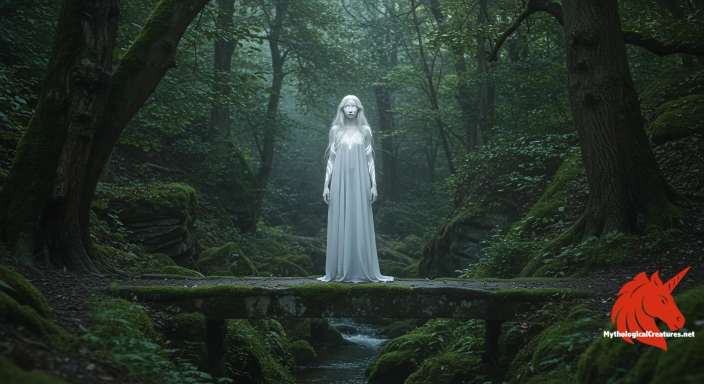
Dare to Meet the Dames blanches....
Curated by the Mythological Creatures Team
Series editor: Mythological Creatures Directory
Primary desk: Northern & European Folklore Desk
(rev. November 2025)