
Groac'h: Groac'h is a malevolent Breton water-fairy known for her shape-shifting abilities and seductive allure.
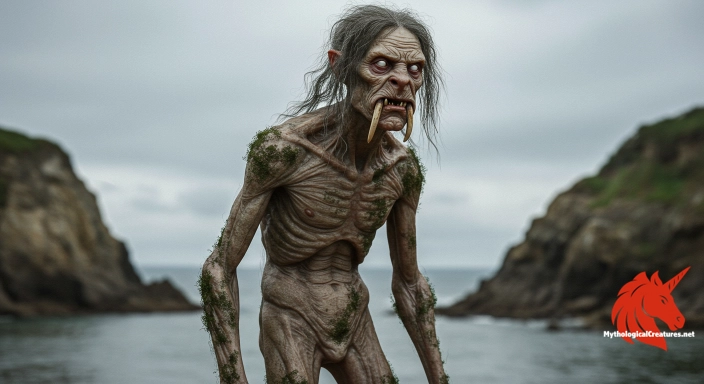
Groac'h
Groac'h - Represents the duality of nature's beauty and danger, serving as a warning against seduction and hubris
Origins & First Encounters
Groac'h is a mystical water-fairy deeply embedded in Breton folklore, a figure whose name translates to 'fairy', 'witch', or 'crone' and encapsulates the dual nature of benevolence and malevolence. Born from a rich tapestry of pre-Christian belief systems and ancient divinities, she embodies the transformation of age-old feminine powers into both enchanting and terrifying forms. Her earliest mentions are intertwined with the maritime traditions of Brittany, offering a glimpse into a time when natural phenomena were personified by powerful spirits. The creature’s enigmatic allure is enhanced by her association with water, caverns, and the nocturnal landscape, making her a symbol of mystery on both land and sea. Groac'h represents the liminal boundary between human civilisation and the untameable natural world, a boundary that is as beautiful as it is dangerous. Her legend bridges the gap between myth and folklore, uniting ancient pagan deities with later literary reinventions. The depth of her character is reflected in the countless stories that depict her as both a seductress and a guardian of nature’s hidden secrets. Rooted in the dynamic interplay between myth and reality, Groac'h continues to evoke fascination and caution in the cultural imagination of Brittany.
Source Texts & Tale Variants
Accounts of Groac'h have been preserved in a rich variety of sources ranging from oral traditions to influential literary works. The most notable narrative is found in Émile Souvestre’s tale 'La Groac'h de l'île du Lok', which casts her as a seductress capable of transforming men into fish to serve as grim sustenance for her guests. Multiple variants of her story have been recounted by local storytellers, reflecting a spectrum of interpretations that oscillate between grotesque malevolence and enigmatic beneficence. Early written records were often intertwined with regional lore, offering vivid portraits of her nocturnal escapades and supernatural powers. These accounts, although sometimes stark in their depiction, gradually softened during the 19th century when Breton writers reimagined her as a more complex fairy figure. In various texts, Groac'h appears not only as a figure of seduction but also as one who can bestow unexpected gifts on human visitors, hinting at a more ambivalent role. Oral traditions further enrich the narrative with descriptions of her transformative abilities and association with the natural elements of the coast. This diversity in sources underscores the layered and evolving nature of her myth, ensuring that each retelling adds new depth to her legend.
Form & Powers
Visual depictions of Groac'h often present her as an aged figure whose appearance is as mutable as the tides she governs, blending elements of human frailty with unnatural features. She is frequently described as a crone with time-worn features that combine to evoke both wisdom and menace, her face marked by deep-set eyes that mirror the mysteries of the ocean. Some portrayals accentuate her uncanny attributes, such as the startling walrus-like teeth that lend an otherworldly dimension to her otherwise human form. Her physique is not static; she can metamorphose from a diminutive old woman shrouded in shadows to a bewitchingly alluring entity draped in the shimmering essence of sea foam. Groac'h’s attire is often imagined as a patchwork of natural elements, mirroring the textures of seaweed and the aged stone of rocky caverns. The variability in her physical form highlights her role as a shape-shifter, capable of adapting to the environment or the narrative’s needs. Her appearance is deeply connected to the elements she commands, encapsulating the harsh beauty and unpredictable nature of the coastal landscape. Each detailed description, from the unsettling juxtaposition of beauty and decay to the fluidity of her form, reinforces her status as a timeless and multifaceted creature in Breton mythology.
Regional Faces
The figure of Groac'h is shaped significantly by the diverse landscapes and cultural narratives of Brittany, with each region casting her in a unique light. In Lower Brittany, her legacy is palpably interwoven with place-names and geological landmarks such as the island of Groix and megalithic sites in Côtes-d'Armor. Local traditions sometimes depict her as a guardian of the sea’s secrets, presiding over coastal caverns and hidden underwater passages with a protective yet unpredictable nature. In some areas, she is remembered as a solitary fairy whose benevolence can reward respectful visitors, while in others her presence is forewarned as a sinister omen for those who dare venture too close to her domain. Regional storytellers have adapted her attributes to mirror local fears and fascinations, casting her both as a seducer who leads the unwary to their doom and as a mysterious benefactor who bestows otherworldly gifts. Diverse environmental conditions across Brittany—ranging from stormy coastal cliffs to tranquil, secluded beaches—have influenced the nuances in her depiction. Each local variant of her myth serves as a reflection of the community’s relationship with the natural world and its inherent dangers. This tapestry of regional adaptations ensures that Groac'h remains a versatile and enduring emblem of Breton cultural identity.
Cultural Parallels
Groac'h occupies a unique space within the broader spectrum of European mythological beings, drawing intriguing parallels with similar figures across different cultural landscapes. Her character shares striking similarities with other Celtic and European mythic archetypes, such as the Irish bean-nighe or the Scottish selkie, each of which embodies the duality of nurturing and destructive power. Like the sirens of Mediterranean lore, Groac'h is portrayed as a seductress whose allure has the intrinsic quality of both beauty and peril. These cross-cultural resemblances are not merely coincidental; they reveal a common human fascination with the archetype of the mysterious woman whose wisdom and cruelty are bound together by the forces of nature. In comparative analysis, her mutable form and ability to manipulate the natural world echo the traits of transformative deities found in various mythologies. Moreover, her evolution from an ancient divinity to a creature of folklore mirrors the broader European trend of reinterpreting female figures with ambiguous moral standings. Each cultural counterpart adds layers of meaning to her myth, from themes of retribution and transformation to the eternal struggle between chaos and order. Through these parallels, Groac'h emerges as a complex symbol of the feminine mystique, interlacing universal motifs of danger, beauty, and metamorphosis.
Legacy & Modern Evolution
The historical evolution of Groac'h illustrates a profound transformation from a feared water spirit to a multifaceted symbol in modern artistic expressions. Initially feared for her malevolent power over the forces of nature, her identity underwent a marked shift as literary reinterpretations of the 19th century began to soften her image into that of a classical fairy. This nuanced reimagining allowed her legend to resonate with broader themes of seduction, transformation, and the inexorable pull of the natural world. Over the centuries, her myth has navigated the intersection of ancient divinity and modern storytelling, merging archaeological mysticism with fanciful narrative elements. In recent times, Groac'h has reappeared in contemporary literature and visual art, where her ambiguous legacy is used to explore themes of ageing, transformation, and the duality of human nature. The resurgence of interest in her character also reflects a wider cultural reappraisal of pre-Christian symbols and the empowerment of archetypal feminine figures. As modern interpretations continue to draw on her rich historical tapestry, she serves as a link between the past and present, a reminder of the enduring allure of myth in explaining the mysteries of the world. Today, Groac'h stands as a powerful cultural emblem, encapsulating both the terror and beauty of an ancient world that refuses to fade away.
Interesting Fact
Numerous place-names in Lower Brittany, including the island of Groix and local megaliths, are connected to the legend of the groac'h, underscoring her deep cultural impact.
Partner with Mythological Creatures
Bring your myth-based world into ours
From game settings to narrative worlds, we work with partners who treat myths with care. Share your project for a potential sponsor slot.
Partner with usQuick Creature Info
Associations:
Our Mythic Legendary Rating:

Also Sometimes Known As:
Habitat:
Supernatural Powers:
Physical Attributes:
Abilities:
Behavior:
Lore:
Related Creatures, Tales or Lore
- MMorgan le Fay
- MMelusine
- JJenny Greenteeth
References
Discover Another Mythical Legend You May Not Have Heard Of?
Uncover the mysteries of ancient folklore and expand your knowledge of legendary beings from cultures around the world.
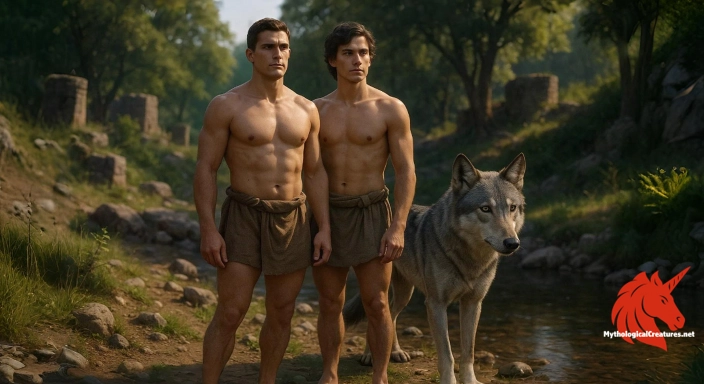
Dare to Meet the Romulus and Remus....
Curated by the Mythological Creatures Team
Series editor: Mythological Creatures Directory
Primary desk: Northern & European Folklore Desk
(rev. November 2025)