
Half-elf: Half-elves are mythological beings born from the union of an immortal elf and a mortal man, renowned for their beauty and magical abilities.
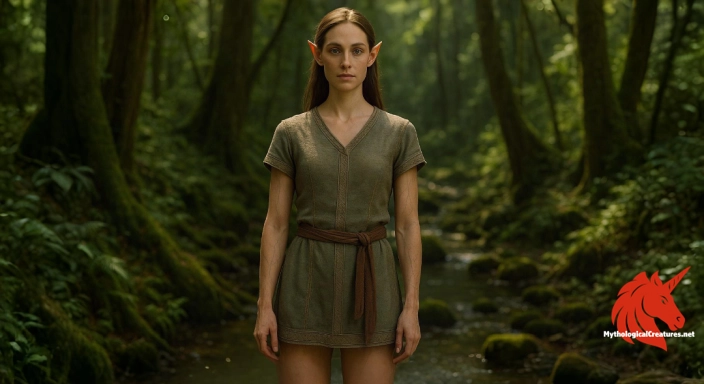
Half-elf
Half-elf - Symbolises the union of human and elven cultures and the exploration of themes such as love, death, and immortality.
the legend in five swipes.
the legend in five swipes.
Half-elf: How the Story Began
The half-elf emerges as one of mythology’s most intriguing hybrids, a being whose very nature is defined by the union of ethereal immortality and the fleeting beauty of mortal life. Born of an immortal elf and a mortal human, this creature embodies the tension between two different worlds that are often in opposition yet intrinsically linked. Its origins stretch back to ancient mythologies, with roots in Norse lore and hints of Celtic influence, long before modern reinterpretations took hold. Early literary portrayals, such as in Lord Dunsany’s 1924 work, laid the groundwork for its exploration as a liminal character. The half-elf’s existence is marked by a unique internal struggle, offering a profound narrative on the balance between longevity and the ephemeral nature of human passion. This duality is often represented as a blessing and a curse, inviting reflections on love, sacrifice, and the cost of immortality. As a living symbol of choice, the half-elf navigates themes of belonging while constantly grappling with the burdens of dual heritage. Their portrayal continues to captivate imaginations by merging mythic symbolism with personal narrative, remaining a pivotal figure in both ancient lore and modern fantasy literature.
What are the earliest texts about the Half-elf?
The story of the half-elf is preserved through a diverse range of sources, each adding layers of meaning to its mythos. Beyond the early hints in Norse tradition, the archetype found clear expression in the literary world, beginning with works that captured the imagination of early 20th-century readers. Lord Dunsany’s The King of Elfland’s Daughter introduced a nuanced portrayal that set the precedent for later interpretations. The modern literary landscape was revolutionised by J. R. R. Tolkien, whose Middle-earth narratives reimagined the half-elf as a character caught between divergent destinies. In Tolkien’s world, the half-elf not only symbolises the merging of differing existential paths but also reflects deep spiritual and philosophical conflicts. Subsequent lore in role-playing games and contemporary novels has adapted these early textual templates, adding variations that explore new dimensions of identity and purpose. Folkloric and oral storytelling traditions also contributed to the mystique of the half-elf, with regional tales often reinterpreting ancient motifs. This convergence of diverse sources continues to fuel the enduring appeal and complexity of the half-elf in myth and modern storytelling.
What abilities did the Half-elf have?
Visually, the half-elf is often depicted as possessing an arresting blend of human warmth and otherworldly grace, a physical manifestation of its dual nature. Their features tend to be exquisitely sculpted, with high cheekbones, delicate contours, and subtly pointed ears that hint at elven lineage. Many portrayals accentuate luminous eyes capable of capturing the light of dawn or the mystery of twilight, reflecting an inner depth and wisdom. Their hair, usually depicted as lustrous and flowing, ranges in colour from the lightest gold to deep auburn, suggesting a mix of both elven refinement and human vitality. The complexion of a half-elf is often soft and radiant, imbued with an almost ethereal glow that separates them from ordinary mortals. Artists frequently emphasise their slender, graceful figures, which move with an elegance that alludes to centuries of ancestral refinement. In some interpretations, subtle magical runes or natural motifs appear in their attire or skin, symbolising a hidden connection to ancient mystical forces. This carefully balanced physical depiction serves to highlight both the beauty and the inherent otherness that defines the half-elf.
Which regions tell stories of the Half-elf?
Variations in the depiction of the half-elf can be observed across different regional traditions and cultural narratives. In Northern European myths, for instance, the half-elf often appears as a guardian of enchanted forests, merging the stark, wintry elegance of Norse legends with a softer, more mysterious character. Meanwhile, in Celtic-inspired lore, these beings are sometimes blended with the sidhe, embodying the connection between nature and the supernatural. In literary works, particularly those influenced by medieval romance, the half-elf is portrayed with a distinct tragic beauty and is burdened by the responsibilities of two disparate worlds. Contemporary fantasy, such as role-playing games like Dungeons & Dragons, has further diversified their image by incorporating varying physical traits and cultural backgrounds. Some stories amplify their role as mediators between mortal and magical realms, while others focus on their inner conflicts in cosmopolitan or urban settings. Local adaptations have even introduced elements of folklore unique to a region’s history, emphasising different symbolic attributes. This regional diversity not only enriches the half-elf mythos but also highlights the universal appeal of stories that celebrate hybridity and the tension between dual identities.
How does the Half-elf compare to figures in other traditions?
The half-elf shares compelling similarities with other mythological hybrids that bridge the gap between the divine and the earthly. In many cultural narratives, beings like demigods or mortal-fey hybrids similarly encapsulate the longing to transcend human limitations while grappling with inherent vulnerabilities. For example, Greek myth features demigods whose lives are equally marked by extraordinary abilities and profound personal struggles, drawing a parallel with the half-elf’s eternal conflict. Celtic mythology offers its own variants, where the interplay between human and faerie realms gives rise to characters whose identities are steeped in both beauty and heartache. Comparative analysis reveals that such hybrids often serve as allegories for the human condition, symbolising the tension between aspiration and limitation. While the half-elf is portrayed with a focus on aesthetic perfection and ethical dilemmas, these other figures also wrestle with the burden of dual legacies. This shared motif of living between worlds underscores the timeless human fascination with identity and transformation. Across cultures, these narratives echo with the themes of longing, sacrifice, and the bittersweet nature of existence. Ultimately, the half-elf and its counterparts remind audiences of the perennial quest for balance between the extraordinary and the ordinary.
Who tells the story of the Half-elf now?
The legacy of the half-elf has undergone significant transformation over time, evolving from whispered legends to a staple of modern fantasy. Early mythic representations hinted at an ambiguous existence, where the interplay of magical lineage and human frailty was only subtly inferred. As literature blossomed into a more complex narrative medium, especially through the profound influence of Tolkien and his contemporaries, the half-elf began to take on deeper symbolic roles that explored the nature of mortality and the yearning for transcendence. In the latter half of the twentieth century, the incorporation of half-elves into role-playing games and visual media helped to cement their status as icons of fantasy lore. Their continued evolution is evident in contemporary storytelling, where they have been adapted to reflect modern themes of diversity, integration, and the complexity of identity. Film, television, and video games each contribute their own reinterpretations, often merging elements of classical myth with innovative narrative devices. The half-elf has emerged not only as a bridge between the mythical and the moral but also as an emblem of the ongoing dialogue between the ancient past and modern creativity. This dynamic evolution underscores the adaptability of the myth and its perennial appeal, ensuring that the image of the half-elf remains both relevant and resonant for new generations.
Interesting Fact
Half-elves are often depicted as mediators in conflicts between mortals and immortals, symbolising the potential for unity and balance between diverse cultures.
Mythological Treasures
Norse Sagas: A field guide to the beasts of the Viking world
Drawn from the saga accounts themselves, with the powers, weaknesses and doom of each being set out.
Japanese Yokai: A field guide to the spirits and demons of Japanese folklore
Fifteen spirits, with the signs to watch for and what the old tales say to do if you meet one.
Greek Myths: A field guide to the monsters of ancient Greece
Every monster here earned its place in legend, and each gets a full page of artwork and the story behind it.
the legend in five swipes.
For myth educators and toolmakers
Built a resource for mythology learners?
If you offer courses, teaching tools, or research platforms focused on myth and folklore, consider a discrete placement on our reference pages.
Introduce your resourceQuick Creature Info
Origin:
Our Mythic Legendary Rating:

Also Sometimes Known As:
Habitat:
Supernatural Powers:
Physical Attributes:
Abilities:
Behavior:
Weaknesses:
Lore:
References
Discover Another Mythical Legend You May Not Have Heard Of?
Uncover the mysteries of ancient folklore and expand your knowledge of legendary beings from cultures around the world.
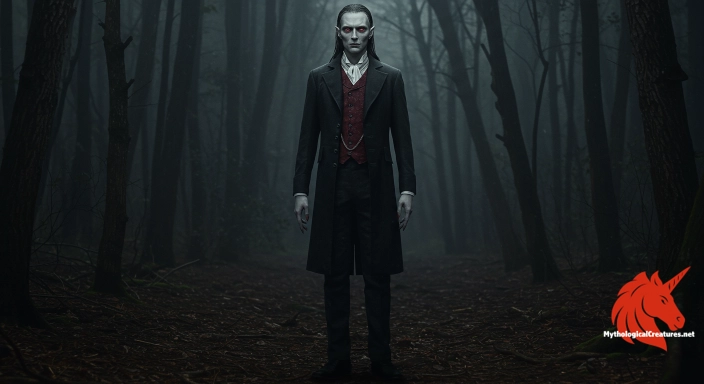
Dare to Meet the Sava Savanović....
The Mythological Creatures Book Series
Yokai, Greek, Norse, Egyptian & Chinese. Five illustrated field guides to the creatures the old stories either warned or told you about.
Curated by the Mythological Creatures Team
Series editor: Mythological Creatures Directory
Primary desk: Northern & European Folklore Desk
(rev. November 2025)