
Hamadryas: Hamadryas is a nymph from Greek mythology known for her intimate connection with mountain forests.
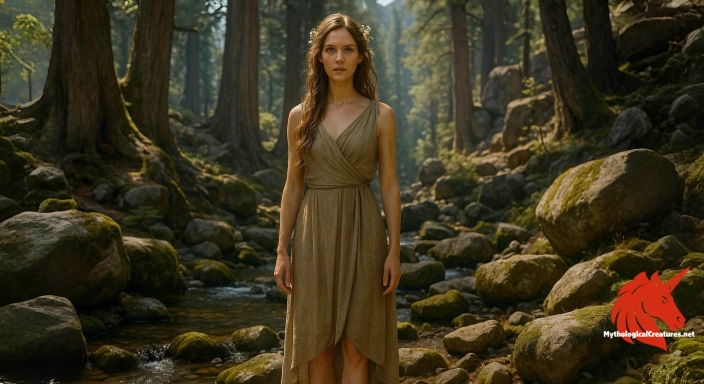
Hamadryas
Hamadryas - Embodies the spirit of nature and the eternal cycle of growth and decay in the mountainous regions of Greece
the legend in five swipes.
the legend in five swipes.
Hamadryas Origins: The Earliest Accounts
Hamadryas emerges in the mists of ancient myth as a divine maiden whose origins are entwined with the very mountains and forests of Greece. Born of Orius, the revered mountain-god of Othrys or the Pindus, she embodies the spirit of untamed natural beauty and the mystique of elevated terrains. Her myth, though sparsely attested in early records, paints a picture of a nymph whose presence bridged rugged landscapes with realms of the supernatural. In the heart of ancient tradition, she came to symbolise the deep connection between mortal life and the awe of nature’s raw power. Her early mentions in archaic genealogies hint at her dual role as a guardian of both mountain tops and the surrounding wilderness. The interplay between her divine lineage and natural surroundings illustrates an enduring cultural reverence for the elements of earth and sky. As the daughter of a mighty god and the sister of Oxylus, a daimon of the forest, her narrative underscores the importance of familial ties in the broader tapestry of myth. The legacy of her origin, though fragmented, continues to evoke images of pristine landscapes and sacred natural sites. Over centuries, her story has lingered as a subtle reminder of the ancients’ belief in the divine spirit that dwells within nature.
What sources tell us about Hamadryas?
Ancient literary fragments and local oral traditions form the primary bedrock of Hamadryas’s myth, though they offer only fleeting glimpses of her full narrative. While explicit texts detailing her exploits are few, scattered references can be found within genealogical accounts that recount the divine lineage of nature spirits. In certain regions, her story was preserved in local hymns and temple dedications that celebrated the sanctity of mountain and forest realms. Inscriptions from remote highland areas suggest that her presence was once integral to local religious rites, even if details remain elusive. The brief mentions in early myth compilations create an enigmatic aura around her identity, prompting later interpreters to embellish her tale. Variations in the story appear in regional retellings, where her character is often interwoven with the broader themes of natural fertility and wilderness sanctity. Some poetic fragments evoke her as a spectral guardian, her mythic essence perpetuating the idea of the divine residing in the heart of nature. Despite the paucity of comprehensive textual sources, the enduring echoes of her myth have allowed subsequent generations to reinterpret and expand her role within the ancient world.
What did people say Hamadryas looked like?
In classical depictions, Hamadryas is envisioned as an exquisite embodiment of nature’s grace, her appearance mirroring the delicate beauty of the landscapes she inhabits. Her form is typically portrayed as slender and elegant, with an ethereal quality that combines both vitality and fragility. Artists imagined her with lustrous hair cascading in gentle waves, its texture reminiscent of the dark, flowing shadows of mountain forests. Her eyes, deep and reflective, appear to capture the shifting hues of a twilight sky and the secret depths of a forest glen. Delicate features and a serene expression are often accentuated by art, symbolising the harmonious balance between the divine and the natural world. Adornments of floral garlands and subtle natural motifs frequently embellish her figure, reinforcing her intrinsic link to the earth. Variations in portrayals suggest that while her overall form remains graceful, slight differences in posture and expression were used to highlight different aspects of her character—from serene mystery to untamed vibrancy. The integration of natural elements into her attire and the surroundings further emphasises her role as a living symbol of nature’s eternal beauty. This blend of idealised aesthetics with hints of wild, unrestrained energy continues to captivate those who study her legend.
How did location shape the story of Hamadryas?
Across the varied landscapes of ancient Greece, regional traditions cast Hamadryas in roles that subtly shifted to reflect local environmental features and cultural practices. In the rugged highlands of the Pindus and the shadowed glens of Othrys, storytellers accentuated her connection to rugged terrains, lending her an air of mysticism and endurance. Local cults and rural rites sometimes elevated her status to that of a living guardian, a spirit whose presence was believed to bless sacred groves and mountain shrines. In some areas, she is seen with traits overlapping those of the tree-bound hamadryads, highlighting the inextricable link between her identity and the local natural flora. Artistic depictions from these regions occasionally merge her figure with elements of the surrounding landscape, such as entwined ivy or mountain blossoms. Folkloric adaptations further imbue her with qualities that mirror the distinct climate and topography of each locale, from the misty foothills to sun-drenched clearings. This regional diversity underscores how local communities interpreted the divine in relation to their immediate environment. Despite these variations, a common thread binds all portrayals—a celebration of nature’s sacred vitality and its profound impact on human life. Such stories reveal the dynamic way in which a mythic figure can evolve, absorbing the colours of regional identity while retaining her core essence.
How does the Hamadryas legend compare worldwide?
The figure of Hamadryas invites comparison with a host of nature deities found throughout the ancient world, each symbolising a unique facet of the natural environment. Her portrayal resonates strongly with that of the Greek Dryads, whose fate was intimately linked to the life of the trees they inhabited. In similar fashion, manifestations of nature in other cultural traditions—such as the Roman nymphs or the Japanese kodama—share her inherent bond with both land and spirit. These parallels extend to European folklore, where figures like the Green Man evoke a shared reverence for the embodiment of nature. Across disparate cultural landscapes, the portrayal of such deities underscores a widespread human impulse to personify the ineffable qualities of the natural world. The nuanced similarities between Hamadryas and her cross-cultural counterparts reveal recurring themes of fertility, renewal, and the protective presence of nature. Each tradition, while distinct in its iconography, contributes to a broader tapestry of myth that venerates the divine within the natural environment. This comparative lens not only enriches our understanding of her character but also highlights the universal nature of human reflections on the wild, untamed earth. The enduring legacy of these mythic figures reiterates the timeless significance of nature as a profound source of inspiration and reverence.
Where do you see Hamadryas today?
The evolution of Hamadryas’s myth reflects a broader narrative of transformation, where the ancient reverence for nature has seamlessly migrated into modern symbolism. Over the centuries, her once-fragmentary story has grown to represent the eternal cycle of life, embodying both the delicate beauty and the relentless power of the natural world. Classical antiquity saw her as an obscure but potent force, a figure intertwined with the elemental forces of mountain and forest. During the Renaissance and later periods, artists and poets revived her image, imbuing her with layers of allegorical meaning that spoke to the interplay between civilisation and wilderness. By the time Romanticism cast its spell over cultural imagination, her figure evolved into a muse of untamed beauty and mystical allure. In contemporary artistic expressions and literature, Hamadryas is often reimagined as a guardian spirit emblematic of nature’s resilience and fragility. Her myth now serves as fertile ground for environmental symbolism, inspiring movements that advocate for the preservation of the natural world. Modern reinterpretations have also merged her identity with that of broader ecological ethos, celebrating the intrinsic connection between humanity and the wilderness. As her story continues to be reshaped by new cultural narratives, Hamadryas remains a potent reminder of our enduring fascination with the divine aspects of nature. The continuity of her legacy, from ancient lore to modern ecological thought, underscores the timeless power of myth to evolve and to inspire.
Interesting Fact
Hamadryas is unique in that her lineage connects the divine power of the mountains with the delicate beauty of a nymph, reflecting the Greeks' reverence for nature's multifaceted forces.
Mythological Treasures
Greek Myths: A field guide to the monsters of ancient Greece
Every monster here earned its place in legend, and each gets a full page of artwork and the story behind it.
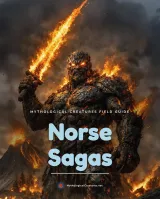
Norse Sagas: A field guide to the beasts of the Viking world
Drawn from the saga accounts themselves, with the powers, weaknesses and doom of each being set out.
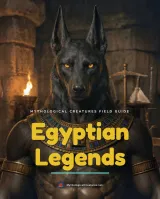
Egyptian Legends: A field guide to the gods and monsters of ancient Egypt
Guardians of the living and devourers of the dead, with the role each played in judgement.
the legend in five swipes.
Partner with us
Sponsor this space
Reach thousands of mythology enthusiasts with a curated placement on our creature pages.
Learn about sponsorshipQuick Creature Info
Origin:
Associations:
Our Mythic Legendary Rating:

Habitat:
Supernatural Powers:
Physical Attributes:
Abilities:
Behavior:
Lore:
Related Creatures, Tales or Lore
- DDryads
- OOreads
- NNaiads
References
Discover Another Mythical Legend You May Not Have Heard Of?
Uncover the mysteries of ancient folklore and expand your knowledge of legendary beings from cultures around the world.
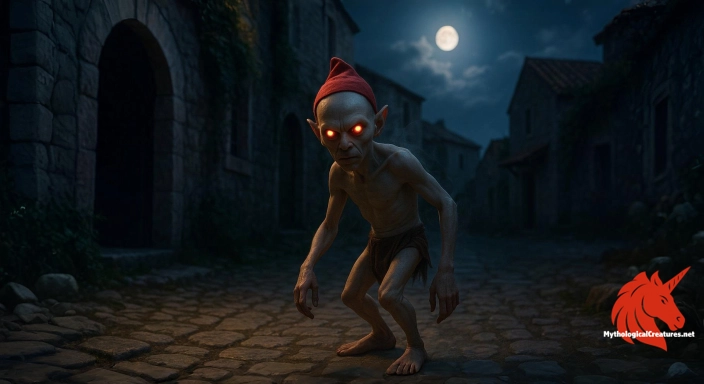
Dare to Meet the Tintilinic....
The Mythological Creatures Book Series
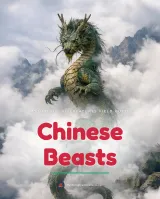
Yokai, Greek, Norse, Egyptian & Chinese. Five illustrated field guides to the creatures the old stories either warned or told you about.
Curated by the Mythological Creatures Team
Series editor: Mythological Creatures Directory
Primary desk: Hellenic & Ancient Mediterranean Desk
(rev. November 2025)