
Headless Mule: The Headless Mule is a cursed, headless equine figure from Brazilian folklore, known for its fiery emanation and terrifying presence.

Headless Mule
Headless Mule - Embodies the consequences of moral transgressions and serves as a cautionary tale in Brazilian culture
Origins & First Encounters
The Headless Mule is a captivating and mysterious figure rooted deeply in Brazilian folklore. It emerges from a rich tapestry of rural legends and cautionary tales, often linked to themes of sin, punishment, and transformation. Its origins are shrouded in myth, with early attestations floating among the oral traditions of Brazil’s countryside. The creature is said to be the cursed transformation of a controversial woman whose defiant actions led to a supernatural retribution. Over time, its story has intermingled with local beliefs about morality and the consequences of forbidden love. It has become emblematic of the weight of societal judgment and the eternal struggle between human impulses and divine punishment. The Headless Mule’s presence in narratives adds a layer of eerie warning, reminding listeners of the perils of straying from accepted norms. Its enduring role in folklore highlights the interplay between cultural taboos and the supernatural, making it both a figure of dread and fascination.
Source Texts & Tale Variants
The narrative of the Headless Mule is preserved in a variety of regional oral histories and folklore compilations. Tales detailing its origin and supernatural features have been passed down through generations, often adapted to suit local moral and cultural frameworks. Early literary works in Brazil sometimes reference the legend, embedding it within a broader context of magical realism and regional mythology. Different storytellers have recounted variations in the curse’s origin, with some versions involving a forbidden romance or an act of defiance against societal norms. In many accounts, the transformation into a headless, fiery mule serves as a stark metaphor for loss of human dignity and the price of transgression. Various folkloric compilations have captured these diverse narratives, even though there is no single authoritative text on the creature. The story has been adapted over time through a blend of indigenous, European, and African influences, each adding their distinctive motifs. As a result, the Headless Mule’s legend exists in multiple versions that continue to evolve with community retellings.
Form & Powers
Visually, the Headless Mule is portrayed as a formidable creature that defies natural order. Its most striking feature is, of course, the absence of a head, a void often replaced in legends by flickering flames or an eerie light. The body is typically depicted as robust and muscular, cloaked in coarse, untidy fur that enhances its feral appearance. In some descriptions, the mule’s torso carries an unsettling luminescence that suggests the residual presence of the individual it once was. Its legs are powerful and unyielding, engineered by myth to convey an unstoppable force as it gallops through the night. Variations in size are noted across stories, with some accounts describing an imposing, larger-than-life beast while others imagine a creature that eerily mirrors an ordinary mule. The aura around the mule is one of burning intensity, with some versions claiming that sparks and embers trail its movements. Every detail, from its hoofbeats to the spectral glow where a head should be, is designed to instil both awe and terror in those who encounter its legend.
Regional Faces
The Headless Mule legend is not monolithic, as its interpretation varies across different regions of Brazil. In the rural hinterlands and countryside, the creature is often seen as a harbinger of misfortune and divine retribution. Some regions imbue the tale with additional layers of mysticism, linking it to local rituals and the natural forces of the land. Coastal areas might narrate the story with an emphasis on lost love and the consequences of forbidden passion. In certain communities, the mule is believed to appear under specific environmental conditions, such as during thunderstorms or on nights when the moon is full. These regional adaptations often incorporate indigenous elements, marrying local spiritual beliefs with the European influences of colonial rule. Afro-Brazilian traditions also contribute nuanced interpretations, highlighting the hybrid nature of the legend. Despite these variations, the core essence of the Headless Mule remains a potent symbol of guilt, punishment, and the collision of the earthly with the supernatural.
Cultural Parallels
When placed in a broader mythological context, the Headless Mule shares intriguing similarities with other headless or cursed beings found around the world. Its narrative resonates with those of the headless horseman found in European legends, where beheaded spectral figures serve as omens or agents of punishment. In both cases, the loss of a head symbolises a disconnection from reason, identity, or redemption. Much like other cursed characters in Latin American folklore, the mule is the embodiment of a punishment meted out for moral transgressions. The creature’s transformation is akin to other myths where human failings are transmuted into monstrous physical forms, serving both as a deterrent and a moral lesson. Comparative mythology reveals that such themes—where a human’s actions invoke a supernatural penalty—are universal. Moreover, the Headless Mule’s fiery appearance can be echoed in other cultures as a representation of both light and damnation. These parallels underscore how widespread narratives of divine retribution and metamorphosis are, bridging cultural divides through shared human concerns about morality and justice.
Legacy & Modern Evolution
The evolution of the Headless Mule over time reflects shifting cultural attitudes and the persistent power of myth. Historically embedded in the oral traditions of rural Brazil, its portrayal has adapted as societies have transformed from agrarian to modern communal settings. Literary works and popular media have revived the legend, casting it in various roles — from a terrifying antagonist in horror stories to a symbolic figure in socio-political commentaries. Contemporary interpretations often blend traditional elements with modern horror aesthetics, allowing the mule to serve as both a nostalgic reminder of cultural heritage and a modern embodiment of retribution. Artists and filmmakers have found rich symbolic potential in the creature’s unsettling form, exploring themes of identity loss and existential dread. As urban legends, its story continues to evolve, frequently reappearing during cultural festivals or in local retellings that spark collective memory. The Headless Mule now occupies a unique space where folklore, art, and modern entertainment intersect, acting as a bridge between past and present. Its continued presence in modern discourse demonstrates the enduring allure of myth and the universal quest to understand and narrate the consequences of human transgression.
Interesting Fact
A striking aspect of the Headless Mule legend is its dual identity as both a fearsome monster and a tragic figure, reflecting complex themes of punishment and redemption in folklore.
For myth educators and toolmakers
Built a resource for mythology learners?
If you offer courses, teaching tools, or research platforms focused on myth and folklore, consider a discrete placement on our reference pages.
Introduce your resourceQuick Creature Info
Origin:
Features:
Associations:
Our Mythic Legendary Rating:

Also Sometimes Known As:
Habitat:
Supernatural Powers:
Physical Attributes:
Abilities:
Behavior:
Lore:
Related Creatures, Tales or Lore
References
Discover Another Mythical Legend You May Not Have Heard Of?
Uncover the mysteries of ancient folklore and expand your knowledge of legendary beings from cultures around the world.
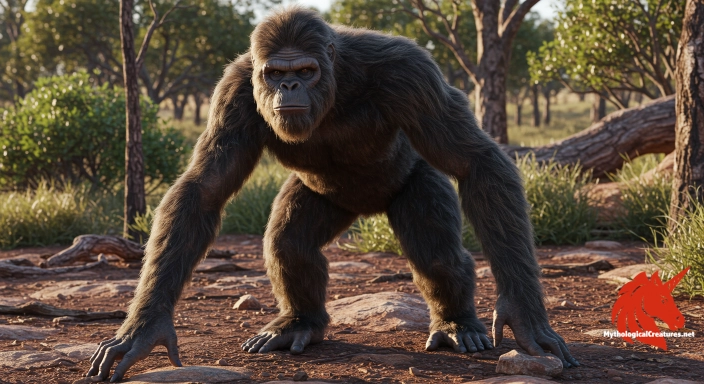
Dare to Meet the Yowie....
Curated by the Mythological Creatures Team
Series editor: Mythological Creatures Directory
Primary desk: Americas & Indigenous Traditions Desk
(rev. November 2025)