
Herensuge: Herensuge is a mythical dragon from Basque mythology known for its multiple heads and serpentine form.
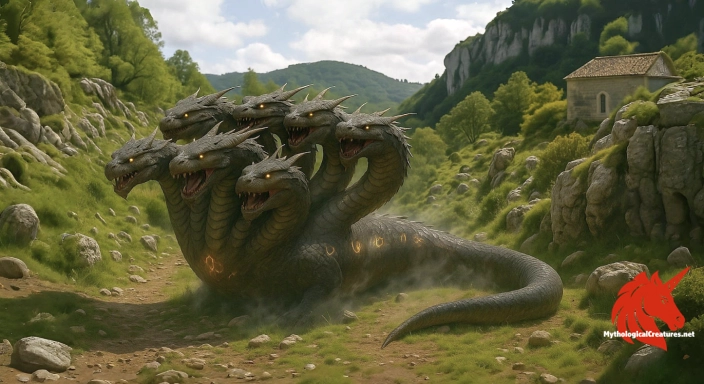
Herensuge
Herensuge - Herensuge symbolises the conflict between pagan Basque customs and the adoption of Christianity, reflecting the cultural and religious transformation of the region.
Origins & First Encounters
Herensuge stands as one of the most enigmatic figures in Basque mythology, melding the fearsome traits of both dragon and serpent in a single emblematic creature. Born from a milieu of ancient oral traditions, its legend has been passed down through generations and shaped by a profound connection to the natural world. Many narratives depict it as a mighty serpent endowed with seven heads, each of which later detaches as a symbol of renewed creation. The origins of this myth reach back to pre-Christian times within the rugged landscapes of the Basque Country, where local deities and elemental forces were revered. Its earliest attestations emerge from local folklore that intertwines human endeavour with the mysteries of nature. Over centuries, the portrayal of Herensuge has grown more complex, reflecting a blend of pagan beliefs and the later influence of Christianity. The creature’s dualistic nature – as both a terrifying adversary and a bearer of transformative power – signposts its role in moral and cosmic allegories. This layered narrative is indicative of a society caught between ancient rites and emerging religious ideologies. Today, Herensuge remains an enduring symbol of Basque cultural identity, captivating imaginations with its timeless mystique.
Source Texts & Tale Variants
Herensuge is primarily chronicled through the rich tapestry of Basque oral traditions and regional folklore, with its earliest narratives emerging from the highlands and valleys of the Basque region. Recorded in medieval manuscripts and local chroniclers’ accounts, the myth has been preserved in a blend of historical echo and imaginative retelling. Several versions of the story accentuate its seven-headed form, with each head taking on a life of its own once detached at maturity. A particularly celebrated tale recounts the encounter of a Navarrese knight, Teodosio de Goñi, who is enmeshed in an epic struggle with the creature near the monastery of San Miguel de Aralar. In this narrative, divine intervention plays a central role, imbuing the legend with moral and spiritual overtones that transcend mere folklore. The creature is also closely associated with the god Sugaar, further cementing its link to the region’s mythic past. Though detailed inscriptions are sparse, the diversity of oral accounts has enriched the legend with multiple layers of interpretation. Variations in the story not only underline the myth’s flexibility but also highlight its role as a medium through which cultural values are transmitted. This confluence of sources underlines the importance of Herensuge as a multifaceted symbol woven into the fabric of Basque cultural history.
Form & Powers
Herensuge is often depicted as a serpentine dragon of immense proportions, whose elongated body moves with a sinuous grace that belies its inherent menace. It is frequently illustrated with seven distinct heads, each featuring fierce, penetrating eyes and an expressive visage that radiates both wisdom and fury. The creature’s body is cloaked in shimmering scales, which are said to reflect a spectrum of colours akin to the brilliance of a sunrise. Descriptions vary, with some accounts portraying it as colossal enough to encircle entire valleys, while others render it as a more elusive and agile force of nature. Its muscular, undulating form is not only symbolic of raw physical power but also suggests an almost mystical energy that pulses with life. The seven heads themselves are imbued with symbolic significance, representing the multiplicity of its power and the cycle of regeneration inherent in its mythos. Detailed artistic renditions often highlight a contrasting interplay between its graceful curves and the fearsome sharpness of its features. Each element of its anatomy – from the iridescent scales to the formidable, multi-headed crown – serves to reinforce its role as an icon of both beauty and terror. Through these richly drawn physical details, Herensuge emerges as a creature that is as much a product of natural awe as it is of mythic imagination.
Regional Faces
The legend of Herensuge exhibits fascinating regional variations across the Basque and adjacent Navarrese territories, where local geography and cultural influences impart unique nuances to its portrayal. In some areas, the creature is primarily seen as a sinuous serpent, its form echoing the winding rivers and rugged mountain paths of the region. Elsewhere, emphasis is placed on its seven heads, with each head occasionally interpreted as manifesting distinct natural or elemental forces. In the highland villages, the myth often transposes the creature into a guardian of sacred groves or a presage of significant natural events, thereby interlinking it with local environmental symbolism. Variants of the tale sometimes cast it in the dual role of both protector and harbinger, reflecting the unpredictable temperament of the surrounding landscapes. The interplay of pagan myth and emerging Christian influences in various local narratives further enriches its character, allowing the legend to adapt over time. Community-specific retellings often include unique rites or festivals designed to honour or appease Herensuge, underscoring its enduring significance. Such regional adaptations have ensured that, despite varying details, the core thematic essence of the creature remains intact. This diversity of regional interpretation speaks to the deep-seated role that Herensuge plays in articulating the cultural identity of the Basque people.
Cultural Parallels
Herensuge shares intriguing similarities with other mythic serpents and multi-headed dragons that pervade the folklore of Europe, creating a tapestry of interconnected legends across cultures. Much like the Hydra of Greek mythology, whose regrowth of multiple heads symbolises both rebirth and relentless destruction, Herensuge’s seven heads evoke a complex interplay between creation and obliteration. Comparable creatures arise in Germanic and Celtic legends, where fearsome serpents serve as both guardians of sacred thresholds and embodiments of the untamed natural world. The motif of a multi-headed beast carries resonances that traverse cultural and historical boundaries, highlighting a universal fascination with the duality of power and vulnerability. In many of these traditions, the presence of a divinely or semi-divinely inspired serpent underscores humanity’s endeavour to confront and understand the mysteries of nature. The close association of Herensuge with the god Sugaar mirrors similar divine alignments found in other mythologies, further illustrating shared themes of cosmic order and chaos. Its narrative role in heroic quests and moral parables has contributed to its cross-cultural appeal, situating it alongside other legendary serpents that challenge both gods and men. This comparative perspective not only enriches our understanding of Herensuge but also frames it as part of a broader European mythology imbued with timeless symbolic significance. Through these parallels, the myth of Herensuge transcends local folklore, contributing to a pan-European dialogue on the nature of power, renewal, and the divine.
Legacy & Modern Evolution
Over the centuries, the myth of Herensuge has evolved from a distinctly pagan symbol of untamed natural forces into a richly layered emblem of Basque identity and cultural resilience. Early portrayals, deeply rooted in ancient folklore, depicted it as a fearsome guardian of the mysterious and the supernatural. With the advent of Christianity in the region, the legend was gradually reframed to incorporate themes of divine justice and redemption, as exemplified by the tale of Teodosio de Goñi. This transformation highlights the dynamic interplay between evolving religious doctrines and indigenous mythologies. In contemporary times, Herensuge has experienced a renaissance in art, literature, and popular culture, where it is often celebrated during local festivals and cultural events. Modern interpretations reimagine the creature as a multifaceted symbol that simultaneously represents heritage, transformation, and the eternal dialogue between light and darkness. Its enduring image can be seen in contemporary murals, sculptures, and narrative arts, each contributing to an ever-growing tradition. Artists and cultural historians frequently draw on the rich, adaptable narrative of Herensuge to explore themes of metamorphosis and societal change. As a result, the legacy of Herensuge continues to bridge ancient lore and modern identity, ensuring that its mythical resonance endures well into the future.
Interesting Fact
An intriguing aspect of Herensuge is that its multiple heads are considered its offspring, a mythological twist that symbolises both regeneration and the cyclical nature of life.
Partner with Mythological Creatures
Bring your myth-based world into ours
From game settings to narrative worlds, we work with partners who treat myths with care. Share your project for a potential sponsor slot.
Partner with usQuick Creature Info
Features:
Our Mythic Legendary Rating:

Habitat:
Supernatural Powers:
Physical Attributes:
Abilities:
Behavior:
Weaknesses:
Lore:
Related Creatures, Tales or Lore
- FFafnir
- YY Ddraig Goch
- TTarasque
References
Discover Another Mythical Legend You May Not Have Heard Of?
Uncover the mysteries of ancient folklore and expand your knowledge of legendary beings from cultures around the world.
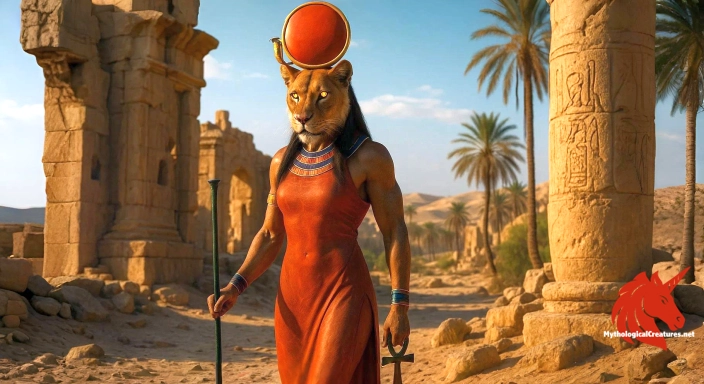
Dare to Meet the Sekhmet....
Curated by the Mythological Creatures Team
Series editor: Mythological Creatures Directory
Primary desk: Hellenic & Ancient Mediterranean Desk
(rev. November 2025)