
Hipponoe: Hipponoe is a Greek marine-nymph and one of the Nereids, daughter of Nereus and Doris.
-f6643b08-4f81-4820-ba79-2b435e84ac24_small.webp "Hipponoe - Embodies the untamed and ever-changing nature of the sea")
Hipponoe
Hipponoe - Embodies the untamed and ever-changing nature of the sea
the legend in five swipes.
the legend in five swipes.
Where does Hipponoe come from?
Hipponoe emerges as one of the luminous faces of the sea in Greek mythology, celebrated for her vibrant presence among the Nereids. Her name, translating to 'unruly as a mare' or 'the temper of horses', immediately evokes the wild, ever-changing nature of the ocean. Born of the venerable Nereus and the Oceanid Doris, she comes from a lineage that marries wisdom with the raw power of the sea. Early mythological traditions offer brief yet evocative glimpses of her character, using her identity to symbolise both beauty and the tempestuous spirit of water. Many ancient narratives, though fragmentary, weave her into the larger tapestry of Nereid lore, highlighting the interplay between grace and ferocity. Her epithet, often paired with that of her sisters, paints her as a being whose very presence is as dynamic as the rolling waves. The dual imagery of beauty and wildness encapsulated in her name continues to intrigue those who study ancient maritime myth. As a representative of the infinite and unpredictable sea, she stands as a testament to the ancient Greeks’ reverence for nature's dual forces. Her enduring myth offers insights into how the natural world was both understood and celebrated in antiquity.
What do the old texts say about Hipponoe?
Ancient texts and poetic fragments provide fleeting, yet significant, mentions of Hipponoe, linking her to the extensive family of sea nymphs. While she does not headline grand epic tales, her presence is interlaced within the narratives celebrating the daughters of Nereus. Classical sources such as Hesiod’s works hint at her lineage and delicate role among the marine deities. Various literary compilations reference her name in lists of Nereids, each mention an ode to the fierce and nurturing aspects of the sea. Over time, art and vase paintings have reinforced these literary imprints, subtly echoing her traits in visual form. There exists an array of story variants in which her attributes are interwoven with the metaphorical language of waves and untamed horses. Some traditions hint at her as a gentle force amid the chaotic beauty of the ocean while others underline her wild aspect. This multiplicity of ancient accounts has encouraged later authors and artists to reinterpret her symbolism anew. Thus, despite her brief original attestations, her myth has inspired a diversity of creative renderings across the ages.
The Described Form of Hipponoe
Hipponoe is depicted with an ethereal beauty that typifies the refined elegance of sea nymphs, her form both delicate and robust like the sea itself. Descriptions often highlight her 'rosy-armed' physique, suggesting an otherworldly radiance that glows against the backdrop of deep blue waters. Artists have imagined her with flowing hair that evokes the cascading motion of waves, shifting seamlessly between hues of blue and silver. Her eyes are frequently described as deep and reflective, mirroring the enigmatic and shifting temperament of the ocean. The visual iconography surrounding her character is adorned with motifs of shells, sea foam, and intricate patterns reminiscent of rippling water. She is often shown clad in diaphanous garments that seem to be woven from the very essence of the sea, subtly hinting at both her strength and fragility. Though variations exist, most portray her as possessing a graceful silhouette and a presence that is both enchanting and spirited. Every detail, from the curve of her form to the delicate embellishments on her attire, contributes to the impression of a creature born of natural splendour. In sum, her physical depiction is a harmonious blend of beauty, mystery, and the untamed energy of marine life.
Which communities kept the Hipponoe tradition alive?
The depiction of Hipponoe has been subject to regional reinterpretation, reflecting the diverse ways in which coastal cultures have revered the sea. In classical Greece, she is typically celebrated as an integral figure among the Nereids, her attributes aligning with the broader ideals of Aegean beauty and maritime mystique. Local artistic traditions have sometimes accentuated her wild aspect, infusing regional symbolism such as local flora, fauna, and sea imagery into her representation. In areas influenced by Hellenistic culture, her image can be seen merging with indigenous maritime traditions, where local legends have enhanced her role as a guardian of seafaring communities. Roman adaptations further refined her image, often softening her wild demeanour to evoke the elegance and grace associated with aquatic divinities. Byzantine art provided another layer of regional flavour, with illuminated manuscripts and mosaics endowing her with a luminous quality that captured both devotion and natural awe. Coastal festivals and local lore occasionally recount tales that modestly expand her myth, positioning her as a benevolent protector of fishermen and sailors. These local variants, by merging classical motifs with regional colours, underscore her universal appeal as a symbol of the natural world. Ultimately, the regional diversity in her portrayal reflects a rich interplay between myth and the lived experiences of communities tied to the sea.
Hipponoe: Echoes in Other Mythologies
Hipponoe shares an intriguing similarity with other water deities across various mythological traditions, embodying a universal archetype of sea-born grace and intensity. Much like her Greek counterparts among the Nereids, water spirits in Roman, Celtic, and Norse traditions evoke the dual nature of nurturing beauty and formidable power. Her very name, which draws a parallel to the wild temperament of horses, resonates with cultures that use equine imagery to symbolise unrestrained vitality and the force of nature. Parallel figures such as the Roman undines and the Irish merrows underscore the widespread fascination with water spirits that blur the lines between benevolence and wildity. In many artistic and narrative traditions, these figures captivate audiences by balancing the serenity of gentle waves against the turbulence of stormy seas. Comparable to the enigmatic sirens, she represents both allure and danger, a duality that spans diverse cultural narratives. The cultural interplay between land and sea is further accentuated when one considers how various societies have mythologised the unpredictability of nature. Hipponoe’s multiple representations remind us that the symbols of water and change cross geographical and cultural boundaries. This comparative lens enriches our understanding of how the wild, untamed spirit of the ocean has universally inspired mythmakers over the centuries.
Why is Hipponoe still popular?
Over the centuries, Hipponoe has transitioned from a modest mention in early mythic texts to a symbol rich with cultural resonance and artistic reinterpretation. The Renaissance witnessed a renewed fascination with sea deities, and Hipponoe was occasionally reimagined in paintings and sculptures that celebrated the sublime beauty of nature. Modern artistic endeavours, from literature to digital art, have further amplified her connection to the elemental forces of water, rendering her as both a timeless muse and a contemporary emblem of nature’s unpredictability. Her evolving depiction is representative of broader trends in the reinterpretation of classical mythologies, where ancient symbols are recontextualised to address modern existential and environmental themes. Artists and storytellers today often portray her as a guardian of the ocean, embodying the interplay of beauty, chaos, and ecological awareness. The transformation of her image—from an ephemeral mythological figure to a potent symbol of environmental resilience—reflects a wider cultural shift towards recognising nature’s fragility and strength. In modern narratives, Hipponoe is sometimes invoked as a reminder of our enduring connection to the sea and the necessity of preserving its delicate balance. Her legacy, therefore, encompasses both historical myth-making and contemporary reimaginings, making her a figure of continual relevance. Today, she stands not merely as a remnant of ancient lore but as a dynamic figure inspiring new generations to reflect on the power and mystery of the natural world.
Interesting Fact
Her name uniquely ties the imagery of wild horses to the turbulent energy of ocean waves, encapsulating the duality of beauty and unpredictability inherent in the sea.
Mythological Treasures
Greek Myths: A field guide to the monsters of ancient Greece
Every monster here earned its place in legend, and each gets a full page of artwork and the story behind it.
Chinese Beasts: A field guide to the dragons and demon kings of Chinese myth
From river dragons to demon kings, with the legends that shaped five thousand years of storytelling.
Japanese Yokai: A field guide to the spirits and demons of Japanese folklore
Fifteen spirits, with the signs to watch for and what the old tales say to do if you meet one.
the legend in five swipes.
Mythology-aligned partners
Showcase your myth-friendly brand here
Run a store, studio, or platform that lives in the world of myth and folklore? A curated sponsor panel on these pages may fit.
Explore partnership optionsQuick Creature Info
Origin:
Associations:
Our Mythic Legendary Rating:

Habitat:
Supernatural Powers:
Physical Attributes:
Abilities:
Behavior:
Lore:
References
Discover Another Mythical Legend You May Not Have Heard Of?
Uncover the mysteries of ancient folklore and expand your knowledge of legendary beings from cultures around the world.
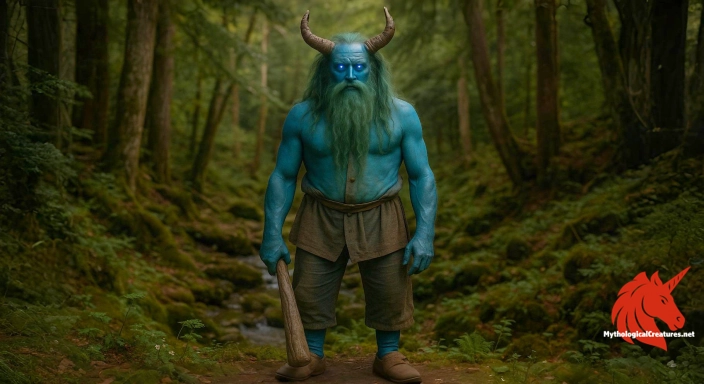
Dare to Meet the Äbädä....
The Mythological Creatures Book Series
Yokai, Greek, Norse, Egyptian & Chinese. Five illustrated field guides to the creatures the old stories either warned or told you about.



Curated by the Mythological Creatures Team
Series editor: Mythological Creatures Directory
Primary desk: Hellenic & Ancient Mediterranean Desk
(rev. November 2025)