
Homunculus: The homunculus is a small, fully formed human created through alchemical processes.

Homunculus
Homunculus - Represents early scientific and philosophical explorations into the nature of life and the possibility of artificial creation.
the legend in five swipes.
the legend in five swipes.
When was the Homunculus first written about?
The homunculus is a striking creature that has captured imaginations for centuries, embodying a fusion of alchemical mysticism and early embryological theory. Its roots lie in medieval folklore and Renaissance alchemy, where the idea of a miniature fully formed human symbolised both scientific ambition and metaphysical mystery. The name, derived from the Latin for ‘little person’, reflects a paradoxical existence that is as intricate as it is diminutive. Early intellectual discourses debated the notion of a preformed human, which later found expression in both the natural philosophy of the period and the vivid tales spun by early storytellers. This figure first appears amidst the fervour of Renaissance inquiry, marking a point where art, science, and myth began to interlace. The homunculus served as a metaphor for the latent potential and inherent imperfection of human creation, inspiring both awe and caution among its chroniclers. Its depiction often symbolised a broader quest to harness and replicate the secrets of life, merging practical pursuits with the realm of the supernatural. Over time, the homunculus has become a versatile emblem, continuously reimagined to express contemporary concerns about creation, control, and the nature of existence. Its timeless fascination lies in bridging tangible biological processes with the allure of magical possibility.
Where is the Homunculus written about?
Ancient alchemical manuscripts and obscure treatises provide some of the earliest references to the homunculus, where its creation is cloaked in allegorical language and secret rituals. Some texts depict the process as a delicate interweaving of natural forces and arcane techniques, suggesting that hidden knowledge could unlock the mysteries of life. Diverse story variants include accounts where the homunculus acts as a silent servant or even an unintended by-product of forbidden experiments. Early printed works from the Renaissance often blended these alchemical concepts with moral cautionary tales that warned against the perils of man tampering with nature. Various folklore traditions, though differing in detail, share a common theme of an artificial being engineered to mimic life. Lesser-known manuscripts sometimes weave narratives that blend elements of mysticism and early scientific inquiry, each offering a unique lens on human creation. The literature surrounding the homunculus ranges from elaborate allegories in scholarly texts to more terse, cryptic verses found in marginal notes of alchemical diaries. As these sources circulated among diverse intellectual circles, they allowed each storyteller to adapt the core myth to their own cultural and philosophical context. In later centuries, dramatic reinterpretations in literature and theatre further enriched this multifaceted narrative, ensuring the legend’s persistence through time.
Homunculus: Appearance and Abilities
Detailed descriptions of the homunculus often highlight its uncanny mimicry of the human form, yet rendered on a much smaller scale that emphasises its mystical origin. It is generally portrayed with finely etched features, such as expressive eyes and a delicate countenance that suggests both wisdom and otherworldliness. Artistic depictions frequently present the creature with a countenance that is both eerily lifelike and symbolically abstract, often underscored by a subtle, almost luminescent quality to its skin. Its anatomy is delicate, with limbs that, although diminutive, display an uncanny human proportion and detail that baffle the observer. Variations in the descriptions sometimes lend it an almost preternatural appearance, where the normal constraints of biological form are stretched by magical augmentation. In certain renditions, soft hair and etched alchemical symbols adorn its body, hinting at the secret rituals that brought it into being. The creature’s size, commonly only a few inches tall, is balanced by its intricate detail, suggesting a microcosm of its larger human archetype. Each artistic representation reveals a blend of anatomical precision and fantastical embellishment, creating a visual paradox of creation. The homunculus thus stands as both a miniature human and a potent symbol of metamorphosis, challenging conventional depictions of life and form. Its physical portrayal continues to evolve, adapting to the imaginative and symbolic demands of each era it traverses.
Homunculus: Regional Differences in the Legend
The concept of the homunculus has primarily flourished within European alchemical traditions, yet traces of its influence are discernible in other cultures and regions. In central and northern Europe, the homunculus was often depicted within the context of emergent scientific inquiry and mysticism, reflecting the era’s fascination with hidden life forces. In Southern European lore, the creature sometimes blended more overtly with religious symbolism, thereby acquiring nuances that conveyed moral and ethical warnings. Beyond Europe, subtle parallels can be seen in certain Middle Eastern and Islamic alchemical texts, where the notion of creating a miniature life form symbolised the power and mystery of divine creation. These texts occasionally imbued the creature with additional layers of numerical and metaphysical significance, which differed considerably from the European emphasis on natural philosophy. Some regional variations also suggest that the homunculus served as a metaphor for the microcosm and macrocosm relationship, a concept that resonated in diverse intellectual traditions. Even in areas where alchemy was not the predominant narrative, similar myths about the creation of artificial life have surfaced as a reflection of broader human concerns. Local adaptations often modified the creature’s purpose, turning it into either a benign helper or a cautionary figure whose very existence questioned nature’s sanctity. As cultures exchanged ideas, the narrative of the homunculus was enriched by cross-cultural symbolism, underscoring its global and mutable nature. This versatility in depiction has allowed the myth to transcend its geographical origins and remain a topic of interest across diverse traditions.
Homunculus: Parallels in Other Cultures
The homunculus shares intriguing similarities with several other mythical constructs that explore the notion of artificial life. For instance, in Jewish folklore the golem emerges as a created being brought to life through mystical rituals, echoing the homunculus’s own origin steeped in alchemical experimentation. Both figures serve to interrogate the boundaries between creator and creation, each embodying the potential perils and promises of human ingenuity. Similar comparisons can be drawn with certain legends from East Asian traditions, where small, animated figures appear in tales that blur the lines between magic and technology. The creature also resonates with modern narratives of artificial intelligence and synthetic biology, where the ethics of creating life continue to provoke debate. In many cultures, diminutive beings symbolise a microcosm of humanity, and the homunculus fits neatly within this broader thematic context. Comparative analysis reveals that while the golem is typically portrayed as a being of raw power, the homunculus is more often depicted as a subtle, enigmatic reflection of human perfection and flaw. Both, however, operate as allegories for the unknown risks inherent in the quest for mastery over nature. Their narratives are interwoven with cultural anxieties about the limits of scientific intervention, making them enduring figures in myth and modern discourse. This cross-cultural perspective attests to a shared human curiosity about the essence of life and the consequences of its artificial reconfiguration.
Where does the Homunculus appear in films and games?
The journey of the homunculus from the secluded chambers of Renaissance alchemy to its modern reinterpretations is as fascinating as it is complex. Early depictions embedded the creature within the framework of preformationist theories, a time when scientific experimentation was as much about philosophy as it was about discovery. As Enlightenment ideals took root, the narrative surrounding the homunculus evolved, influencing literary and artistic expressions that grappled with the question of what it means to be truly human. In the 19th century, writers and dramatists began to use the creature as a metaphor for human ambition and the inherent risks of unchecked experimentation. In contemporary times, the homunculus appears in various media—including films, novels, and visual arts—often symbolising the delicate balance between creation and destruction, innovation and ethical restraint. Modern reinterpretations tend to focus on the psychological and philosophical dimensions of the myth, exploring themes such as identity, control, and the nature of consciousness. This evolving legacy reflects broader societal shifts in attitudes towards scientific progress and technological intervention. The homunculus remains a potent symbol of human desire to transcend natural limits, embodying both the promise of breakthrough and the shadow of unforeseen consequences. In every era it has undergone transformation, yet its core mystery continues to provoke reflection on the boundaries of life. As the narrative is continually reimagined, the creature stands as an enduring testament to the timeless intrigue of crafting life from the elemental forces of nature.
Interesting Fact
The homunculus not only reflects historical alchemical practices but also prefigures modern explorations into artificial life and synthetic biology, sparking debates about the nature of consciousness and creation.
Mythological Treasures
Japanese Yokai: A field guide to the spirits and demons of Japanese folklore
Fifteen spirits, with the signs to watch for and what the old tales say to do if you meet one.
Greek Myths: A field guide to the monsters of ancient Greece
Every monster here earned its place in legend, and each gets a full page of artwork and the story behind it.
Norse Sagas: A field guide to the beasts of the Viking world
Drawn from the saga accounts themselves, with the powers, weaknesses and doom of each being set out.
the legend in five swipes.
Sponsor this space
Tasteful, fixed-fee placements for myth projects
No bidding wars or flashing banners. We offer simple placements for a small set of creators and brands aligned with our readers.
Request further detailsQuick Creature Info
Origin:
Features:
Our Mythic Legendary Rating:

Also Sometimes Known As:
Physical Attributes:
Lore:
Related Creatures, Tales or Lore
- GGolem
- TTalos
- AAndroid (mythological concept)
References
Discover Another Mythical Legend You May Not Have Heard Of?
Uncover the mysteries of ancient folklore and expand your knowledge of legendary beings from cultures around the world.
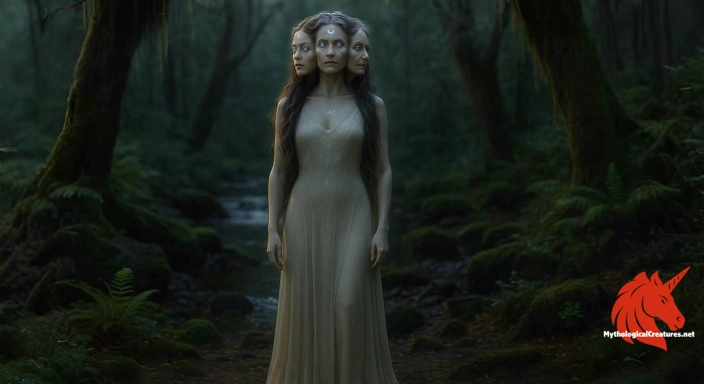
Dare to Meet the Triple Goddess....
The Mythological Creatures Book Series
Yokai, Greek, Norse, Egyptian & Chinese. Five illustrated field guides to the creatures the old stories either warned or told you about.

Curated by the Mythological Creatures Team
Series editor: Mythological Creatures Directory
Primary desk: Hellenic & Ancient Mediterranean Desk
(rev. November 2025)