
Imugi: Imugi are benevolent, serpentine beings from Korean mythology, revered for their water-controlling abilities.
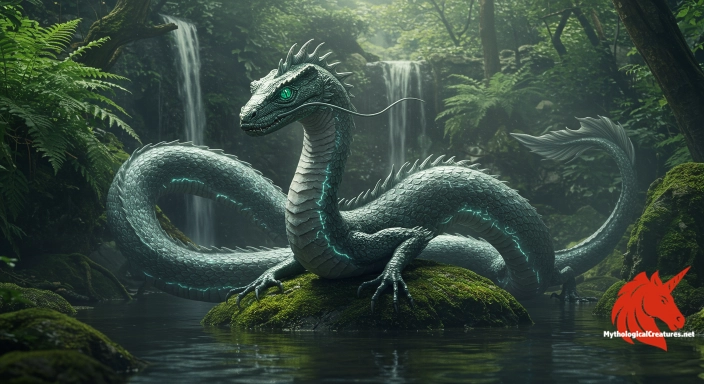
Imugi
Imugi - Imugi are key figures in Korean folklore, symbolising agricultural prosperity and the nurturing aspects of nature through their control over rain and water.
Origins & First Encounters
The imugi stands as a captivating figure in Korean mythology, representing an incomplete yet hopeful embodiment of draconic power. Revered as a water spirit with ties to agriculture, the imugi has long been associated with the nurturing aspects of nature and the promise of rain. Its origins can be traced back to ancient folk traditions that sought to explain natural phenomena through the actions of benevolent creatures. From early shamanistic rituals to folklore passed down through generations, the imugi emerged as a symbol of potential and transformation. In early narratives, it is portrayed as a serpent-like being destined to evolve into a full-fledged dragon through perseverance. This creature’s mythos, steeped in the mystique of watery domains, signifies rebirth and latent divinity. It conveys a profound connection between the natural world and the supernatural, inspiring those who recognise its transformative journey. The imugi’s story, woven into rural songs and timeless art, underscores its role as both guardian and aspirant of heavenly power. Traditional lore imbues the imugi with the capacity to influence the weather, ensuring fertility and abundance. Its enduring legacy in Korean culture continues to evoke wonder and serves as a reminder of the eternal cycle of growth and renewal.
Source Texts & Tale Variants
Ancient texts and oral traditions form the backbone of the imugi’s storied past, though detailed records are rare and often intermingled with mythical symbolism. Early references appear in shamanistic rituals and local folklore where the creature is celebrated as a water guardian. Written accounts from the Joseon period mention the imugi in passing, alluding to its role in agricultural rites and the control of rain. Murals and temple decorations have also offered visual representations that hint at its serpentine grace. Competing story variants have emerged over time, with some emphasising its aspiration to become a true dragon while others portray it as an ever-present benefactor of the land. In rural communities, the imugi has inspired an array of narrative embellishments that deepen its mystical reputation. Its lore is interspersed among other mythic beings, creating a rich, intertextual tapestry of regional beliefs. Modern literary retellings continue to draw upon these ancient sources, offering fresh interpretations of the imugi’s evolution. Such narratives bridge the gap between the historical and the fantastical, ensuring its lore remains vibrant. These diverse accounts collectively enrich the myth by intertwining tangible historical elements with the broader realm of legend and myth.
Form & Powers
The imugi is typically depicted as a majestic, serpentine creature whose elongated body exudes a graceful flow reminiscent of meandering water bodies. Its scales are portrayed in shimmering hues that mirror the reflections of a moody sky and placid waters, ranging from jade greens to deep, mysterious indigos. The creature’s lithe form is accented by occasional hints of protuberant features such as nascent horns or delicate, curling tendrils that suggest its imminent evolution into a true dragon. Large, expressive eyes, imbued with a wisdom that spans countless ages, lend it an aura of mystical insight and latent power. The depiction of the imugi often varies in scale, with some accounts granting it a colossal length that mirrors the expanse of mighty rivers, while others present it as a more subtle presence. Its skin, sometimes described as possessing a water-like translucence, perfectly captures the interplay between natural light and the deep mysteries of aquatic life. Artistic renditions frequently highlight the fluid motion of its form, reinforcing its status as a denizen of water. The nuanced texturing of its scales and the gentle curve of its sinuous body evoke both softness and underlying strength. Every aspect of its physical portrayal speaks to the duality of delicate beauty and impending majesty. Through these visual details, the imugi is celebrated not just as a mythic entity but as a living embodiment of transformation and elemental grace.
Regional Faces
Regional variations of the imugi are plentiful, each colouring its legend with the distinct hues of local landscapes and cultural practices. In many southern parts of Korea, the imugi is depicted as an essential water spirit, revered for its ability to bring rain and ensure the fertility of the land. In contrast, tales from northern regions often cast the imugi as a mysterious inhabitant of mist-shrouded highlands and dense forest streams. The creature’s appearance and attributes are frequently adapted to reflect the unique environmental features of each locality, whether through vibrant scale colours or distinctive physical form. Local festivals and rural ceremonies often incorporate imugi-inspired rituals, underscoring its role as a symbol of nature’s bounty and transformation. In urban retellings, the imugi has undergone a modern reinterpretation that blends ancient lore with contemporary values, portraying it sometimes as a metaphor for perseverance in changing times. Diverse regional artworks depict the creature with subtle differences in form—variations that speak to the rich tapestry of local mythologies. Community narratives often interlace the imugi’s story with other water deities or ancestral spirits, highlighting a shared reverence for the natural world. These local adaptations ensure that every mention of the imugi resonates with both familiar tradition and regional identity. The varied regional portrayals contribute to a dynamic and enduring myth that continues to captivate and inspire across Korea.
Cultural Parallels
The imugi draws compelling parallels with numerous mythological entities throughout East Asia, often serving as a bridge between simpler serpentine forms and fully realised dragons. Its evolution from a trialling water serpent to an aspiring dragon mirrors similar narratives found in Chinese lore, where dragons are also celebrated as benevolent rain-bringers and fertility symbols. Japanese mythology, with its own assortment of transformative serpents and water spirits, resonates with the imugi through shared themes of rebirth and latent power. Unlike the temperamental Western dragons that dominate tales of destruction, the imugi’s gentle nature underscores themes of hope and gradual metamorphosis. Comparative analysis reveals that the imugi, much like the revered water deities of other cultures, embodies the spirit of renewal and the cyclical rhythms of nature. The creature’s journey toward becoming a true dragon invites audiences to reflect on the concepts of potential and personal evolution. Furthermore, its narrative intersects with broader mythological motifs of patience, perseverance, and the passage of time. In aligning the imugi with similar figures, one can appreciate the universality of the transformative journey in folklore. These cross-cultural echoes enrich our understanding of the imugi as a symbol not only of Korean tradition but also of the shared human pursuit of growth and enlightenment. As a result, the imugi stands as a unifying emblem of mythic aspiration that transcends regional boundaries and cultural differences.
Legacy & Modern Evolution
The evolution of the imugi from an obscure water spirit to a modern emblem of transformation mirrors the profound shifts in cultural storytelling over time. Historically rooted in the agrarian and shamanistic practices of early Korea, the imugi has gradually become a symbol of hope, resilience, and metamorphosis. Its imagery has leapt from ancient scrolls and temple murals into contemporary art, literature, and even digital media, captivating both scholars and enthusiasts alike. As society has modernised, the imugi’s narrative has been reinterpreted to align with themes of personal growth and environmental renewal. The creature’s journey from a nascent, incomplete form to a full-fledged dragon offers a powerful metaphor for overcoming adversity and realising potential. Public festivals, art exhibitions, and even cinematic works now celebrate the imugi as a living symbol of enduring change and interconnectedness with nature. In academic circles, the imugi is increasingly seen as a focal point in the study of mythological evolution and cultural resilience. This enduring legacy is further reinforced by a growing body of artistic reinterpretations that draw upon its timeless narrative. The imugi continues to inspire new generations with its message of transformation and the possibility that greatness can emerge from humble beginnings. As a cultural icon, it remains a poignant reminder of the eternal dance between nature, myth, and modernity.
Interesting Fact
Imugi are unique in that they embody the promise of transformation, bridging the gap between mortal existence and divine potential while nurturing the agricultural lifeblood of Korean society.
Reach myth fans
Connect your myth-driven brand with this audience
Our readers are writers, educators, gamers, and collectors who care about mythology. Enquire about a limited sponsor placement on creature pages.
Enquire about sponsorshipQuick Creature Info
Origin:
Associations:
Our Mythic Legendary Rating:

Habitat:
Supernatural Powers:
Physical Attributes:
Abilities:
Behavior:
Lore:
Related Creatures, Tales or Lore
- YYong
- CChinese Dragon
- JJapanese Ryū
References
Discover Another Mythical Legend You May Not Have Heard Of?
Uncover the mysteries of ancient folklore and expand your knowledge of legendary beings from cultures around the world.
Dare to Meet the Hippothoe....

Curated by the Mythological Creatures Team
Series editor: Mythological Creatures Directory
Primary desk: Asian & Pacific Myth Cycles Desk
(rev. November 2025)