
Irawaru: Irawaru is a mythological figure from Māori lore known as the origin of the dog.
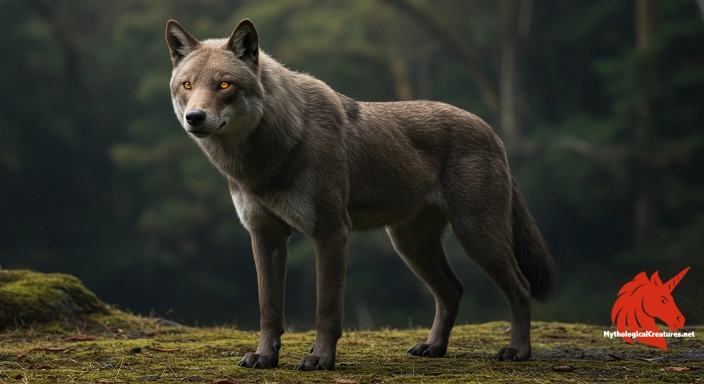
Irawaru
Irawaru - Explains the origins and revered characteristics of dogs in traditional Māori society
the legend in five swipes.
the legend in five swipes.
When was Irawaru first written about?
Irawaru stands as a pivotal figure in Māori mythology, celebrated as the primordial origin of the dog. His myth is interwoven with deep familial ties, being the husband of Hinauri and the brother‐in‐law of the iconic Māui. The earliest attestations of his story emerge from rich oral traditions that have been passed down across numerous generations. His transformation, enacted by Māui in a moment of volatile emotion, symbolizes the merging of human frailty with the natural world. The legend explains not only the physical traits of the dog but also its revered status as a loyal guardian in Māori society. Irawaru’s tale is a complex blend of awe and tragedy, highlighting virtues, vices, and the consequences of envy and greed. The narrative has continued to evolve, reflecting both the beauty of transformation and the somber lessons of human behaviour. It remains an enduring emblem of how myth can encapsulate the connections between culture, nature, and the divine. Recounted through the ages, his story still resonates as an integral part of the cultural identity in Aotearoa.
Which books and scrolls describe Irawaru?
The story of Irawaru is preserved in a wealth of traditional sources, drawing on the collective memory of Māori oral history and later documented accounts. Multiple versions of the tale have survived the test of time, each adding depth to the narrative of transformation and the origin of the sacred dog. In some renditions, Māui’s jealousy is attributed to Irawaru’s success as a fisherman, highlighting human frailties that lead to divine retribution. Other versions detail a personal slight or the refusal to share prized possessions, such as a cloak, as the catalyst for the transformation. Alongside these, narratives from the Ngā Puhi Nui Tonu iwi introduce interlinked stories of guardian dogs brought by Kupe, enriching the myth’s framework. Oral recitations ensured that every variant was imbued with local colour, emphasizing different moral and cultural lessons. The existence of these alternatives showcases the dynamic nature of Māori storytelling and its capacity for adaptation. In combining these diverse sources, the myth of Irawaru becomes a vibrant tapestry that continues to inspire and instruct its audience.
Irawaru: Appearance and Abilities
The physical transformation of Irawaru is described with vivid and evocative imagery that bridges human and animal worlds. The myth recounts how, in an act of divine retribution, Māui stretched Irawaru’s limbs, re‐shaping his form into that of a dog. His new form is depicted with sleek contours and an agile build, indicative of both strength and sensitivity. There is a haunting quality in his expressive eyes, which seem to carry remnants of a once human soul along with a deep sorrow. Remnants of his original human features appear subtly in the structure of his face, marking a bridge between the realms of man and beast. His fur is often portrayed as lustrous and varied in hue, reflecting the natural beauty of Aotearoa’s landscapes. These detailed descriptions serve to highlight how the transformation imbued him with the attributes celebrated in dogs—alertness, loyalty, and a watchful nature. Ultimately, Irawaru’s metamorphosis is rich in symbolism, demonstrating the potent power of the myth to explain both physical and spiritual essences.
Where is the legend of Irawaru strongest?
The narrative of Irawaru unfolds differently across various regions of Aotearoa, each contributing unique local flavours and symbolism. Some iwi accentuate the moral lessons inherent in his transformation, portraying his fate as a cautionary tale against greed and envy. In certain areas, storytellers intertwine his legend with specific natural landmarks, thereby rooting the myth firmly within the local geography. Regions influenced by the traditions linked to Kupe integrate Irawaru's story with that of guardian dogs, reinforcing the role of canine spirits in guiding souls. These regional variations allow for a flexible interpretation of the myth, where details can shift to reflect local customs and environmental realities. Oral traditions in different parts of the country sometimes add extra episodes or nuances, deepening the overall thematic content. The adaptive nature of the tale underscores a shared cultural heritage that honours both the supernatural and the mundane. In each region, the myth’s core message about transformation and the interplay between humans and nature remains a unifying thread.
Which other cultures tell a story like that of Irawaru?
Comparative analysis reveals that Irawaru’s myth shares striking similarities with transformation legends found across the globe. In various cultures, divine anger or the act of punishment often results in the dramatic alteration of a character’s form, reflecting universal themes of retribution and metamorphosis. The Greek myth of King Lycaon, for example, echoes this motif by depicting a man transformed into a wolf as a result of divine displeasure. Similar narratives are found in Nordic and other indigenous traditions, where the boundary between human and animal is fluid and symbolic. These cross-cultural parallels suggest that the story of Irawaru taps into a broader archetype where transformation conveys lessons about human shortcomings and natural order. In several traditions, dogs are revered as guardians and messengers, much like in the Māori context, highlighting a shared spiritual symbolism. Such comparisons bring to light the universal significance of metamorphosis as a means of expressing moral and existential truths. The enduring appeal of such tales speaks to a common human fascination with change and the intricate interplay between fate, nature, and identity. Through these lenses, Irawaru’s story gains additional layers of meaning that resonate far beyond its original cultural boundaries.
Irawaru in Books, Film and Games
Irawaru’s myth continues to exert a profound influence on both traditional practices and modern cultural expressions within Māori society. Historically, the tale provided an elegant explanation for the revered qualities of dogs, framing them as intrinsic guardians endowed with loyalty and divine protection. In the centuries following its inception, the story has evolved to incorporate contemporary reflections on morality, identity, and environmental stewardship. Modern artists, writers, and performers have reimagined the narrative, using the myth as a medium to explore themes of transformation and interconnectedness. This enduring legacy is evident in cultural rituals and community practices that continue to honour the deep symbolism embedded in the myth. Irawaru’s transformation is celebrated as both a cautionary narrative and a beacon of renewal, bridging ancient wisdom with present-day insights. Even as global cultures undergo rapid change, the myth remains a poignant reminder of the delicate balance between human ambition and the natural world. Its reinterpretation in modern media underscores the adaptive power of myth to remain relevant through time. Thus, the story of Irawaru not only preserves ancestral heritage but also inspires contemporary dialogues about identity, respect, and the transformative forces of nature.
Interesting Fact
Irawaru’s legend not only explains the canine origin in Māori mythology but also illustrates how transformational myths can imbue ordinary animals with profound cultural and spiritual significance.
Mythological Treasures
Egyptian Legends: A field guide to the gods and monsters of ancient Egypt
Guardians of the living and devourers of the dead, with the role each played in judgement.
Chinese Beasts: A field guide to the dragons and demon kings of Chinese myth
From river dragons to demon kings, with the legends that shaped five thousand years of storytelling.
Japanese Yokai: A field guide to the spirits and demons of Japanese folklore
Fifteen spirits, with the signs to watch for and what the old tales say to do if you meet one.
the legend in five swipes.
For serious myth projects
Feature your work alongside the legends
From academic works to story-rich games, we highlight projects that respect world mythologies. Talk to us about a measured, long-term placement.
Start a conversationQuick Creature Info
Origin:
Features:
Our Mythic Legendary Rating:

Habitat:
Supernatural Powers:
Physical Attributes:
Abilities:
Behavior:
Lore:
References
Discover Another Mythical Legend You May Not Have Heard Of?
Uncover the mysteries of ancient folklore and expand your knowledge of legendary beings from cultures around the world.
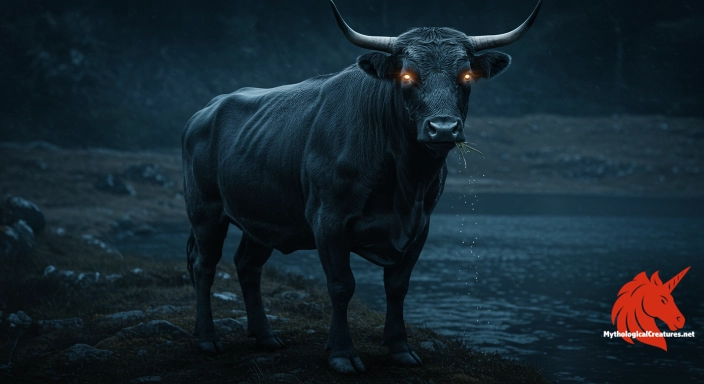
Dare to Meet the Water bull....
The Mythological Creatures Book Series
Yokai, Greek, Norse, Egyptian & Chinese. Five illustrated field guides to the creatures the old stories either warned or told you about.
Curated by the Mythological Creatures Team
Series editor: Mythological Creatures Directory
Primary desk: Asian & Pacific Myth Cycles Desk
(rev. November 2025)