
Irshi: Irshi is a mythical, fairy-like spirit from Turkic mythology.
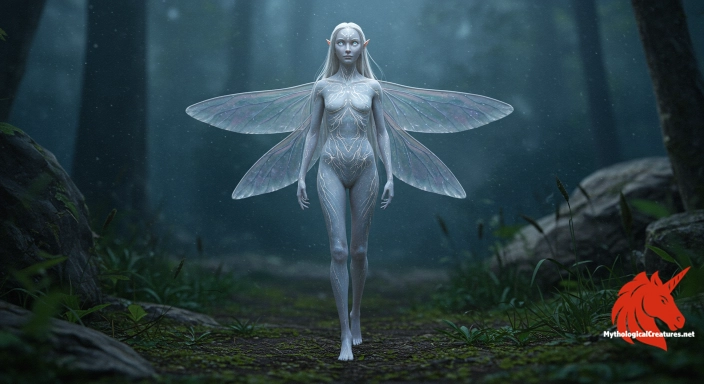
Irshi
Irshi - Represents the ethereal and magical aspects of Turkic folklore, bridging the mortal and spiritual realms.
Origins & First Encounters
The Irshi stand as enigmatic beings within Turkic mythology, evoking wonder through their blend of fairy-like charm and supernatural mystery. Their origins are traced back to a confluence of ancient shamanistic and animistic traditions, where the spirit world was intimately linked with the natural realm. Early accounts, preserved in the oral traditions of nomadic tribes, suggest that the Irshi were revered as subtle yet powerful influences in everyday life. They are often depicted as elusive messengers bridging the tangible and the ethereal, a reminder of the unseen forces that govern existence. Ancient tales portray them as both guardians and guides in the mystical domains of nature, highlighting their dual roles as protectors and arbiters of fate. The early Turkic peoples embedded these beings into their cultural rituals and storytelling, which has allowed their legends to persist through countless generations. Although the Irshi are enveloped in myth, their timeless allure remains a testament to the intricate link between humanity and the natural world. Their narrative continues to inspire modern enthusiasts of folklore, ensuring that every retelling reinforces their status as both mysterious and revered.
Source Texts & Tale Variants
The documented presence of the Irshi is woven from the fabric of diverse oral histories and fragmentary ancient texts. While formal literary records are scarce, the spirit of the Irshi persists in folk narratives that have been transmitted orally over centuries. Variants of their story appear in chronicles compiled by early mystics and travellers, each account adding new dimensions to their characterization. In some traditions, the Irshi emerge as benevolent overseers of nature, while other retellings cast them in more ambiguous, even mischievous, roles. Their myth is interspersed with allegories and metaphors that illuminate moral lessons and the capriciousness of fate. Regional storytellers have prudently adapted these narratives to reflect their unique cultural landscapes, thereby enriching the original myth. The scattered historical references to the Irshi reveal a tapestry of interpretations that highlight both their celestial beauty and unpredictable temperament. Thus, the enduring legacy of these sources continues to offer a layered understanding of a being that defies simple categorisation.
Form & Powers
The physical portrayal of the Irshi is marked by an ethereal beauty that transcends conventional description. They are frequently depicted as creatures with an almost translucent appearance, as if sculpted from the very essence of starlight and moonbeams. Legend describes them with dainty, gossamer wings that shimmer in the twilight, harmonising with a form that is both delicate and luminously radiant. Their features are exquisitely fine, with eyes that reflect a deep well of ancient mystery and emotion. Traditional narratives often present them as having an elusive, shifting form, one that may vary subtly from one account to another. Some portrayals speak of long, flowing garments that seem woven from mist or the early dawn’s fog, enhancing their otherworldly nature. The size and stature of the Irshi oscillate between being almost imperceptibly small to occasionally possessing an imposing presence that belies their ephemeral origin. Such intricate depictions not only underscore their mystical status but also symbolise the transient interplay between beauty, nature, and the supernatural.
Regional Faces
The characterisation of the Irshi shifts notably across various regions, reflecting the multifaceted cultural mosaic of the Turkic world. In the vast expanses of Central Asia, they are often celebrated as custodians of the wild, embodying the spirit of untamed landscapes and endless skies. Here, the Irshi are intricately linked to the natural elements, believed to appear in secluded valley groves and near crystalline water bodies. Moving towards the Anatolian regions, local legends endow them with transformative abilities, often depicting encounters that bestow wisdom or forewarning upon those who venture into the wilderness. The regional narratives intertwine the elements of mystery, benevolence, and caution, mirroring the diverse environmental and cultural influences of each locale. Some communities view these beings as ancestral spirits or even as intermediaries between the gods and mortal existence. This regional adaptation ensures that while the core essence of the Irshi remains intact, each variation carries its own distinct iconography and spiritual nuance. Consequently, the regional portrayals serve as a living record of a mythological tradition that evolves in tandem with its people and their surroundings.
Cultural Parallels
An exploration of comparative mythology reveals that the Irshi share striking similarities with other fairy-like entities found across Eurasia and beyond. Their delicate, luminous quality and ambiguous nature evoke parallels with the Persian peri, a celestial spirit known for its paradoxical kindness and caprice. Like the European fairies, whose legends are replete with tales of enchantment and subtle mischief, the Irshi combine an allure of beauty with an unpredictable disposition. Both the Irshi and their cross-cultural counterparts reflect humanity’s deep-seated desire to personify the forces of nature and the mysterious realms beyond our immediate perception. Such beings often serve as allegories for the eternal conflict between light and darkness, order and chaos. Their narrative roles as both benefactors and tricksters highlight a shared cultural motif where the divine intermingles with the everyday. The recurring theme of transformation—whether physical, spiritual, or moral—is a thread that connects these entities across various traditions. Ultimately, the comparative analysis underscores how the allure of the Irshi is not confined to a single cultural ethos but resonates with universal mythological ideals.
Legacy & Modern Evolution
The evolution of the Irshi over time illustrates a remarkable transformation from ancient myth to modern emblem. Initially rooted in oral traditions and local superstition, their image has broadened through the retelling of tales in literature, art, and contemporary media. Early depictions were heavily influenced by the natural world, emphasising the characteristics of ephemeral beauty and transient existence. In modern reinterpretations, the Irshi have taken on additional layers of symbolism, often representing environmental stewardship and the delicate balance between human progress and the natural order. Their portrayal in novels, films, and visual arts has both reimagined and preserved the essence of their myth, adapting their narrative to speak to contemporary audiences. This enduring relevance has ensured that the Irshi continue to captivate imaginations, serving as potent reminders of a time when the boundary between the seen and unseen was far less defined. Their legacy has been cemented as a touchstone in discussions of mythological transformation and cultural continuity. As modern storytellers draw on the rich tapestry of their legend, the Irshi remain a living symbol of nature, mystery, and the immortal allure of the supernatural.
Interesting Fact
Irshi, though little-known outside of Turkic tradition, plays a pivotal role in representing the ethereal bridge between the mortal and supernatural realms.
For myth educators and toolmakers
Built a resource for mythology learners?
If you offer courses, teaching tools, or research platforms focused on myth and folklore, consider a discrete placement on our reference pages.
Introduce your resourceQuick Creature Info
Origin:
Features:
Associations:
Our Mythic Legendary Rating:

Also Sometimes Known As:
Habitat:
Supernatural Powers:
Physical Attributes:
Abilities:
Behavior:
Lore:
Related Creatures, Tales or Lore
- PPeri
- SSylph
- FFairy
References
Discover Another Mythical Legend You May Not Have Heard Of?
Uncover the mysteries of ancient folklore and expand your knowledge of legendary beings from cultures around the world.
Dare to Meet the Bysen....
Curated by the Mythological Creatures Team
Series editor: Mythological Creatures Directory
Primary desk: Asian & Pacific Myth Cycles Desk
(rev. November 2025)