
Julemanden: Julemanden is the Danish Christmas gift-bringer, equivalent to Santa Claus.
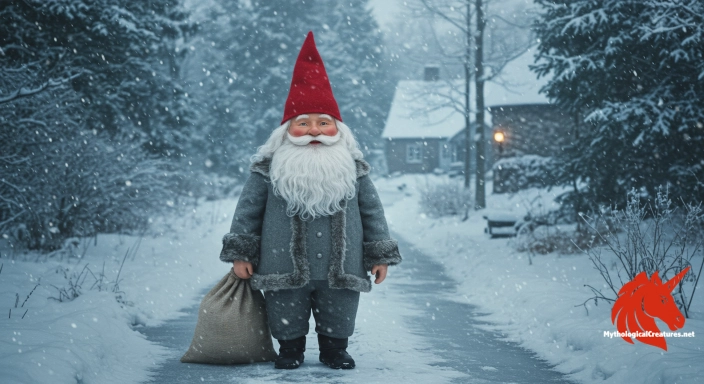
Julemanden
Julemanden - Central figure in Danish Christmas traditions, symbolising generosity and festive spirit.
Origins & First Encounters
Julemanden, known also as 'The Yule Man' or 'The Christmas Man', has long occupied a central role in the festive traditions of Denmark and its neighbouring regions. He emerged from a rich tapestry of ancient winter rites and local customs that pre-date modern Christmas celebrations, making him a bridge between pagan solstice observances and Christian festivities. His earliest traces are interwoven with the communal celebrations of the dark winter months, when people gathered to mark the passage of time and the hope of returning light. Over the centuries, the figure has evolved considerably, reflecting the shifting cultural landscapes and the influence of various societal innovations. His persona, modest yet imbued with quiet authority, symbolises the warmth of human connection during the season's coldest days. Local lore portrays him not only as a bearer of gifts but also as a guardian of collective memory and tradition. The endurance of his myth underscores a deep-rooted reliance on narrative and ritual to combat winter's bleakness. Today, Julemanden’s continued presence in festivities reflects both an homage to ancient customs and a modern celebration of community and generosity.
Source Texts & Tale Variants
Historical records, oral traditions, and a scattering of folk ballads have all contributed to forming the narrative of Julemanden. Early mentions of a winter visitor appear subtly in medieval texts and local parish records, where brief allusions point to a mysterious figure during the Yule season. Over time, these references were enriched by oral storytelling, culminating in various local adaptations that imbued him with unique characteristics. Some accounts depict him as wandering quietly through snow-dusted landscapes, while others present him as a jovial fellow whose presence brings cheer and restitution. These sources often hint at a humble origin, one that is gradually overlaid by later embellishments from festive literature and modern reinterpretations. The variations in these stories highlight the fluid nature of myth-making, where each retelling adds layers of complexity and cultural relevance. Although the primary documents are fragmentary, they indicate a consistent theme of generosity and renewal that resonates with the spirit of winter. The mosaic of texts and traditions continues to inspire and sustain the evolving image of Julemanden in both popular memory and seasonal celebrations.
Form & Powers
The iconic image of Julemanden is one steeped in both simplicity and an enduring festive charm. Traditionally, he is depicted as a short, stout man with a neatly trimmed white beard that exudes both wisdom and warmth. His attire is typically functional yet symbolic; utilitarian grey garments, complemented by a striking red hat, evoke images of both resilience against the bitter cold and the celebratory spirit of the season. A distinctive element in many portrayals is the use of fur, which not only adds to his rustic appearance but also underscores his adaptation to the harsh winters of the Nordic landscape. Despite his modest size, every detail of his depiction—from the gentle lines around his eyes to his quietly confident stance—suggests a storied legacy and a deep connection to local tradition. Some artistic renditions lean towards a more robust presentation, while others maintain an elfin, almost understated quality. His appearance manages to encapsulate both the austerity inherent in older winter traditions and the luminous joy of contemporary celebrations. Through these varied depictions, Julemanden remains a figure of approachable benevolence and timeless charm.
Regional Faces
The portrayal of Julemanden varies across different regions, reflecting the diverse cultural landscapes of Scandinavia and beyond. In Denmark, he is often depicted as a modest, unassuming figure whose practical appearance mirrors the rugged realities of local winter life. By contrast, in the Faroe Islands, his character is sometimes rendered with a touch more mysticism, imbuing him with an almost otherworldly quality. Greenlandic traditions, where he is known as Juulimaaq, blend his narrative with local Inuit winter lore, creating a version that is both symbolically rich and uniquely adapted to Arctic traditions. Rural communities often emphasise his role as a guardian of communal spirit, portraying him in a way that highlights themes of unity and shared hardship. Local artists may adjust his attire and mannerisms to reflect regional dress codes and weather conditions, resulting in a mosaic of representations. These regional adaptations often vary not only in visual style but also in the methods of his arrival—whether on foot, by sleigh, or even via more unconventional means. This diversity of portrayal underlines the flexibility of myth, as each locality adapts the core legend of Julemanden to resonate with its own cultural and environmental realities.
Cultural Parallels
When set alongside other winter gift-bringers, Julemanden emerges as a distinctive yet complementary figure within a broader mythological tradition. He shares notable similarities with figures such as Father Christmas in Britain and Santa Claus in North America, each embodying the universal appeal of generosity and communal cheer during winter. While these counterparts are often accompanied by a flair for grandiosity and commercial splendour, Julemanden typically retains a more understated, earthy demeanour that harkens back to his origins in ancient Nordic customs. His character also finds parallels with the Icelandic Yule Lads, who transition from mischievous nocturnal visitors to kindly benefactors as the festive period progresses. This comparative analysis not only highlights common themes of benevolence and renewal but also underscores regional nuances in the depiction of winter myth. The simplicity of his dress and demeanour serves as a counterpoint to the increasingly elaborate renditions found elsewhere, suggesting a deliberate preservation of tradition. By examining these cross-cultural similarities and differences, one can appreciate how varying communities interpret the same fundamental archetype in diverse yet mutually enriching ways. Ultimately, Julemanden stands as both a uniquely local icon and a participant in a global tradition of winter magic and benevolence.
Legacy & Modern Evolution
Over the centuries, the evolution of Julemanden reflects a fascinating journey from the rustic traditions of pre-modern winter festivals to a modern symbol imbued with both nostalgia and contemporary relevance. His early depictions were grounded in the simple life of Nordic communities, embodying a practical response to the challenges of the winter season. As cultural and commercial influences grew, elements of his persona were gradually enriched with the warmth and cheer typical of Christmas celebrations seen today. Despite these changes, many traditional portrayals continue to emphasise his humble origins, preserving the authentic attributes that first made him a beloved figure. Modern reinterpretations in film, literature, and festive media have adapted his image to suit contemporary aesthetics, yet they often retain subtle nods to his storied past. This blend of old and new has allowed Julemanden to remain a resonant symbol of generosity and community spirit across generations. His legacy is further celebrated through local festivals and artistic renditions that draw on both tradition and innovative expression. In a rapidly changing cultural landscape, he stands as a reminder of enduring traditions, linking the ancient rituals of winter with the celebratory practices of the modern era. Ultimately, the layered history and ongoing reinvention of Julemanden underscore his role as an ever-adapting emblem of hope and unity during the coldest months of the year.
Interesting Fact
Julemanden, while often equated with Santa Claus, uniquely reflects Danish cultural heritage and embodies the magic of Christmas in a way that is distinctly Scandinavian.
Sponsor this space
Tasteful, fixed-fee placements for myth projects
No bidding wars or flashing banners. We offer simple placements for a small set of creators and brands aligned with our readers.
Request further detailsQuick Creature Info
Origin:
Associations:
Our Mythic Legendary Rating:

Also Sometimes Known As:
Habitat:
Supernatural Powers:
Physical Attributes:
Abilities:
Behavior:
Lore:
Related Creatures, Tales or Lore
- SSanta Claus
- FFather Christmas
- SSinterklaas
References
Discover Another Mythical Legend You May Not Have Heard Of?
Uncover the mysteries of ancient folklore and expand your knowledge of legendary beings from cultures around the world.
Dare to Meet the Four Perils....
Curated by the Mythological Creatures Team
Series editor: Mythological Creatures Directory
Primary desk: Northern & European Folklore Desk
(rev. November 2025)