
Kianda: Kianda, also known as Dandalunda, is a revered goddess of the sea in traditional Angolan culture.
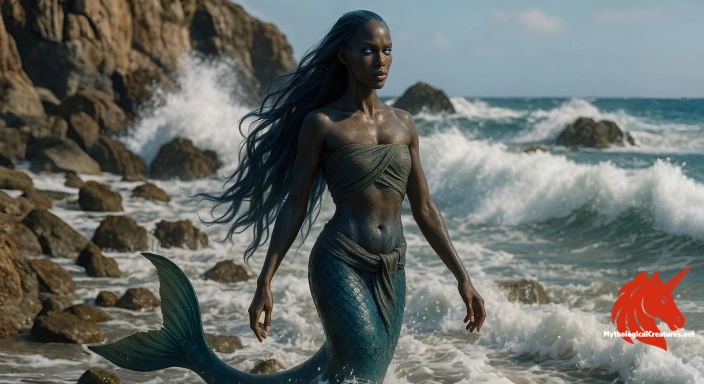
Kianda
Kianda - A central figure in Angolan maritime folklore, embodying the bountiful yet unpredictable nature of the sea
the legend in five swipes.
the legend in five swipes.
Kianda: First Encounters and Early Records
Kianda, also known as Dandalunda, emerges from the deep legacy of Angolan coastal culture as a powerful embodiment of the ocean’s dual nature. Her origins lie in pre-colonial traditions where the vast, unpredictable sea was both revered and feared by communities whose lives depended on its bounty. In these traditions, she is revered as a benevolent protector of fishermen and a mysterious guardian of the waters. Her myth is interwoven with the daily rhythms of life along the coast, where the interplay of calm and tempest mirrors her temperament. The goddess’s earliest attestations can be traced back through generations of oral storytelling, which underscored her role as both caregiver and arbiter of nature’s might. Kianda’s presence in ritual and festival settings highlights her importance in a society where survival depended on respect for the sea. Her story offers an explanation for the capricious behaviour of the ocean, blending spiritual belief with the practical realities of maritime life. Over time, her figure has grown to symbolise the enduring relationship between human communities and the elemental forces that surround them.
How was the story of Kianda recorded?
Traditional accounts of Kianda have been maintained over centuries through oral narratives, passed down in coastal communities and fishing villages across Angola. A variety of local storytellers have immortalised her deeds, ensuring that the myths surrounding her interventions in daily life remain vibrant and adaptable. Some versions of the myth highlight her compassionate protection when fishermen perform the proper rituals to appease her. Other variants recount more dramatic episodes, where her anger at those who disrespect the sea is unleashed amid violent storms. Recordings from early ethnographic studies provide snapshots of these narratives, revealing the nuanced operations of her character in local belief systems. Although few written sources exist, the common thread across community lore is the respect and fear she inspires. The diversity of the oral corpus has given rise to multiple interpretations of her persona, each adding depth to her mythological profile. This concurrence of sources emphasises her role as a timeless bridge between nature and the social order in Angolan culture.
What could Kianda do?
Imagery of Kianda presents her as a majestic and enigmatic figure whose physical form mirrors the ever-changing sea. Many traditional depictions show her with a tall and graceful bearing, her silhouette fluid like the crest of a wave. Artists and storytellers often imbue her with long, flowing hair that mimics the tendrils of seaweed and the soft undulations of ocean currents. Her skin is sometimes portrayed as luminescent and shifting in tone, reminiscent of the sparkling surface of the water under the light of dawn. In certain renderings, delicate scales adorn parts of her body, symbolising her intimate connection to marine life. A crown fashioned from coral and seashells commonly graces her head, representing her sovereignty over the waters. Her eyes are frequently described as deep and mysterious, echoing the unfathomable depths of the ocean itself. The garments she wears appear to be sculpted from foam and light, blurring the boundaries between the human and the elemental. These detailed portrayals serve to highlight both her ethereal beauty and the awe-inspiring power she embodies.
How does Kianda differ by region?
Across various regions of Angola, the lore of Kianda is adapted to reflect local experiences and environmental nuances. In coastal communities, where the sea is a constant presence, she is often depicted as a calming, benevolent spirit who ensures safe passage and fruitful fishing. Inland villages, however, sometimes narrate her as a tempestuous force, highlighting the unpredictable nature of water bodies distant from the coast. These regional retellings display variations in her appearance, with some communities painting her in radiant, warm hues, while others emphasise more shadowy, mysterious qualities. In areas with rich coral ecosystems, her iconography is enhanced with elements drawn clearly from the marine landscape. Conversely, regions facing harsher sea conditions often accentuate her formidable aspect, embodying both nurture and wrath. Such local adaptations underscore the adaptability of her myth to diverse environmental realities. The differing narratives not only reflect regional artistic interpretations but also illustrate the broad cultural significance of her role as a mediator between humans and the natural world.
Is Kianda unique, or found elsewhere?
The legends of Kianda resonate with similar maritime deities across the globe, affirming a widespread human respect for the mysterious forces of the sea. Her character shares notable parallels with figures such as Mami Wata in West and Central African folklore, where both deities command reverence for their dual capacity to nurture and discipline. Like many water spirits, Kianda embodies the ambiguity of the ocean, offering both life and retribution in equal measure. Comparative mythologies also bring to mind aspects of Greek water deities, where the elements of beauty, danger, and transformation frequently intertwine. This blending of benevolence with potential retribution is a recurring motif seen in other cultures that live in close proximity to the sea. Her narrative, with its shifts between allure and admonition, aligns with broader traditions where natural forces are personified to inspire proper respect and care. The cross-cultural echo of her myth highlights a universal archetype: that of a guardian of the waters whose temperament reflects the inherent unpredictability of nature. Such analyses reveal both the uniqueness of Kianda and her interconnectedness with a global tapestry of mythic guardians guarding the vital resources of communities.
How did Kianda survive into the modern world?
Over the centuries, the figure of Kianda has transformed from a legendary sea deity into a vibrant cultural symbol that resonates with both historical and contemporary audiences. Her myth, rooted in the oral traditions of Angolan coastal peoples, has evolved in response to social changes and the modern world’s growing environmental concerns. Contemporary artistic reinterpretations frequently cast her as a symbol of ecological balance and resilience, linking ancient beliefs with current discussions about sustainable living. Festivals and local ceremonies continue to honour her legacy, reaffirming her role as a protector of fishermen and coastal communities. Modern media, including visual art and literature, often invoke her image to explore themes of identity, tradition, and humanity’s ongoing relationship with the sea. As reinterpretations migrate into digital platforms and international exhibitions, the enduring appeal of Kianda offers a bridge between past and present. Her evolving narrative encourages a dialogue that spans traditional rites to modern ecological movements. In this light, Kianda is not merely an ancient goddess but a dynamic emblem of cultural continuity and the perpetual dialogue between nature and civilisation.
Interesting Fact
Kianda is not only a guardian of fishermen but also symbolizes the complex and often unpredictable nature of the ocean, reflecting both its nurturing and perilous qualities.
Mythological Treasures
Egyptian Legends: A field guide to the gods and monsters of ancient Egypt
Guardians of the living and devourers of the dead, with the role each played in judgement.
Chinese Beasts: A field guide to the dragons and demon kings of Chinese myth
From river dragons to demon kings, with the legends that shaped five thousand years of storytelling.
Japanese Yokai: A field guide to the spirits and demons of Japanese folklore
Fifteen spirits, with the signs to watch for and what the old tales say to do if you meet one.
the legend in five swipes.
For publishers and studios
Your next readers are already here
Many of our visitors are looking for books, campaigns, and resources that deepen their journey into myth. Position your title or setting here.
Discuss a placementQuick Creature Info
Origin:
Features:
Associations:
Our Mythic Legendary Rating:

Also Sometimes Known As:
Habitat:
Supernatural Powers:
Physical Attributes:
Abilities:
Behavior:
Lore:
Related Creatures, Tales or Lore
- MMami Wata
- YYemọja
- MMazu
References
Discover Another Mythical Legend You May Not Have Heard Of?
Uncover the mysteries of ancient folklore and expand your knowledge of legendary beings from cultures around the world.
Dare to Meet the Ninti....
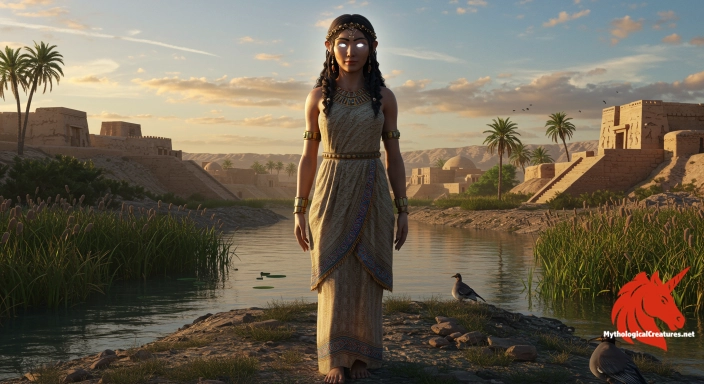
The Mythological Creatures Book Series
Yokai, Greek, Norse, Egyptian & Chinese. Five illustrated field guides to the creatures the old stories either warned or told you about.

Curated by the Mythological Creatures Team
Series editor: Mythological Creatures Directory
Primary desk: African & Diaspora Traditions Desk
(rev. November 2025)