
Kobalos: The kobalos is a mischievous sprite from Greek mythology known for its trickery and shapeshifting abilities.
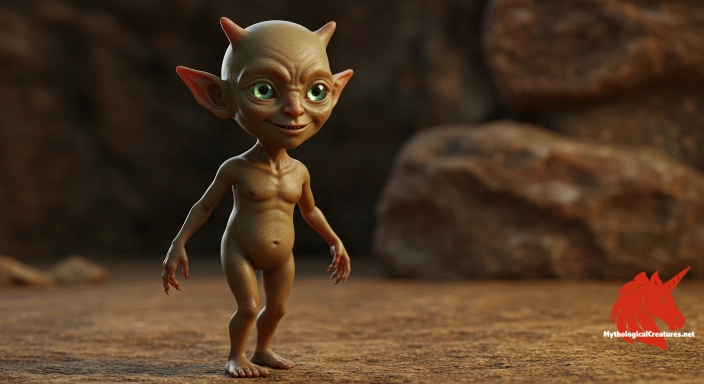
Kobalos
Kobalos - Serves as a cautionary figure in folklore and exemplifies the capricious nature of mischief in Greek mythology.
the legend in five swipes.
the legend in five swipes.
When was the Kobalos first written about?
The kobalos is a vivid embodiment of mischief in ancient Greek myth, a spirit whose elusive nature and playful trickery have fascinated generations. Born from the fertile grounds of classical legend, these beings emerged in a context where the divine and mortal worlds intertwined in unexpected ways. Their earliest appearances are enveloped in mythic narratives that imbue them with both charm and a touch of wry, cautionary humour. They appear intertwined with Dionysus, the god whose own exuberance of life mirrors the kobalos’ fondness for subversion. Ancient accounts reveal a creature whose cunning was as celebrated as it was feared, blurring the lines between benign jest and chaotic disruption. Their role in myth often served as a moral counterpoint, suggesting that even the most mischievous impulses carried a deeper, instructive purpose. As these sprites danced along the edges of the mortal realm, they helped sculpt a cultural landscape rich in allegory and irony. Their legacy endures as a timeless reminder of how trickery and transformation can shape the very fabric of myth.
Kobalos: From Oral Tale to Written Record
The narrative of the kobalos emerges from a diverse tapestry of texts and oral traditions that underscore its multifaceted character. Ancient literary sources capture episodes in which these sprites disrupt the lives of gods and men, particularly in tales involving monumental figures like Herakles and Dionysus. Multiple versions of their myth recount a night-time encounter with Herakles, where their cunning prompted both outrage and unexpected compassion. Variants of the story even depict the kobaloi as ephemeral companions bestowed upon figures such as the Lydian queen Omphale. The body of mythic material paints them not only as shape-shifters but also as emblematic of the unpredictable forces of nature. They are chronicled inconsistently, with some accounts portraying them as dangerous miscreants while others admire their impish allure. Through these varied narratives, a picture of a creature adept at transforming challenges into amusement emerges. This multiplicity of sources provides an intriguing glimpse into a mythic tradition rich in detail and enduring appeal.
Did the Kobalos have any weaknesses?
The physical form of the kobalos is as enigmatic as the nature of its deeds, described in a manner that blends human familiarity with otherworldly cunning. They are generally envisioned as small, nimble figures capable of slipping through the smallest of gaps and outsmarting even the most vigilant of foes. Their features are noted to be deliberately exaggerated – a pointed nose, sparkling or mischievous eyes, and an impish smile that hints at secrets untold. In many depictions, they are adorned in tattered garments that seem to merge naturally with the shadows, reinforcing their elusive presence. Some traditions suggest that their body can subtly change shape, embodying the very essence of transformation and deception. Hints of animalistic traits, perhaps a slight elongation or a flicker of fox-like cunning, add layers to their physical portrayal. The interplay of light and shadow across their form enhances their capacity to appear suddenly and vanish just as swiftly. Overall, their physical manifestation offers a perfect mirror to their inner spirit, fluid and forever on the move.
Kobalos: Regional Differences in the Legend
Regional traditions throughout ancient Greece have allowed the character of the kobalos to acquire unique local nuances that reflect the distinct cultural palettes of each area. In regions like Euboea, they are seen as whimsical yet cautionary figures whose antics play on the border between playful mischief and subtle menace. Near Thermopylae and other rugged landscapes, local lore paints them as harbingers of unpredictable events, their pranks assumed to carry both laughter and a trace of forewarning. Local storytellers often adapted the sprite’s guise to mirror the specific customs, attire, and natural motifs endemic to their communities. In some areas, the kobalos is celebrated as an integral part of seasonal festivities and rural lore, whereas in other locales, the creature’s presence is invoked to ensure that children heed the boundaries of acceptable behaviour. This geographical variability has imbued their myth with a vibrancy that speaks to the universal human experience of dealing with the unknown. Their portrayal evolves seamlessly with regional myths, highlighting the ability of a singular archetype to adapt and thrive in disparate cultural contexts. The result is a richly layered character who resonates with both local identity and the broader themes of transformation and trickery.
Which other cultures tell a story like that of the Kobalos?
The kobalos occupies a distinctive place in the global realm of trickster figures, sharing similarities with numerous other mythical beings renowned for their playful defiance and capacity for sudden transformation. Their capricious nature finds echoes in the Germanic kobold, a household spirit equally celebrated for its propensity to play harmless tricks or cause chaotic disruptions. This archetypal role is also reflected in Celtic pixies and Slavic domovoi, where the boundary between benevolent mischief and malevolent disruption is as thin as it is intriguing. In each cultural variant, these tricksters serve as mirrors to human behaviour, challenging societal norms while offering sly commentary on the unpredictability of life. The dual nature of the kobalos – simultaneously alluring and cautionary – resonates across these folkloric traditions, underscoring a universal appeal. Comparisons can even be drawn with the wily traits of the Native American coyote or the Norse Loki, figures whose antics constantly subvert expectations. The rich interplay between order and chaos in these myths highlights a shared narrative method that uses mischief as both entertainment and moral inquiry. Through this comparative lens, the kobalos stands as a vibrant testament to the human fascination with the subversive spirit inherent in trickster legends.
Kobalos: From Folklore to Pop Culture
The enduring legacy of the kobalos is evident in its transformation from an ancient mythic sprite to a symbol of creative mischief in modern culture. Over the centuries, this trickster has been continuously reinterpreted through the lenses of literature, art, and popular media, ensuring its survival beyond the confines of classical texts. Contemporary portrayals often cast the kobalos as a cunning renegade who injects both humour and unpredictability into stories, mirroring the complexity of today’s narratives. Their timeless appeal has also found expression in modern fantasy settings, where reimagined sprites carry forward the tradition of shapeshifting and subversive play. The evolution of the kobalos in visual arts and digital storytelling highlights a persistent fascination with the archetype of the trickster, reflecting societal shifts and emerging cultural sensibilities. Despite these changes, the essential character—witty, enigmatic, and always a step ahead—remains a compelling motif across eras. This mythic figure continues to be a cultural touchstone, its legacy woven into warnings for the young and inspirations for the imaginative. As a symbol of transformation and the unexpected, the kobalos endures as a dynamic testament to the power of myth in capturing the spirit of the times.
Interesting Fact
An intriguing aspect of the kobalos is that while it is primarily a mischievous trickster, its actions are remembered with a mix of humour and caution, underscoring the dual nature of mischief in mythology.
Mythological Treasures
Greek Myths: A field guide to the monsters of ancient Greece
Every monster here earned its place in legend, and each gets a full page of artwork and the story behind it.
Japanese Yokai: A field guide to the spirits and demons of Japanese folklore
Fifteen spirits, with the signs to watch for and what the old tales say to do if you meet one.
Norse Sagas: A field guide to the beasts of the Viking world
Drawn from the saga accounts themselves, with the powers, weaknesses and doom of each being set out.
the legend in five swipes.
Reach myth fans
Connect your myth-driven brand with this audience
Our readers are writers, educators, gamers, and collectors who care about mythology. Enquire about a limited sponsor placement on creature pages.
Enquire about sponsorshipQuick Creature Info
Origin:
Features:
Our Mythic Legendary Rating:

Also Sometimes Known As:
Habitat:
Supernatural Powers:
Physical Attributes:
Abilities:
Behavior:
Weaknesses:
Lore:
References
Discover Another Mythical Legend You May Not Have Heard Of?
Uncover the mysteries of ancient folklore and expand your knowledge of legendary beings from cultures around the world.
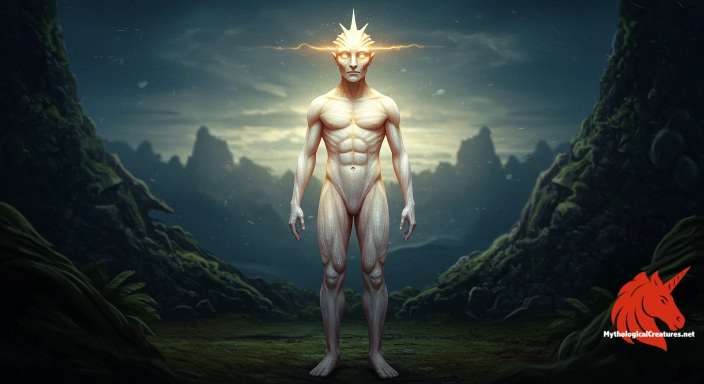
Dare to Meet the Avatea....
The Mythological Creatures Book Series
Yokai, Greek, Norse, Egyptian & Chinese. Five illustrated field guides to the creatures the old stories either warned or told you about.
Curated by the Mythological Creatures Team
Series editor: Mythological Creatures Directory
Primary desk: Hellenic & Ancient Mediterranean Desk
(rev. November 2025)