
Kondole: Kondole is a mythological figure from Australian Aboriginal lore who transformed from a mean and selfish man into the first whale.
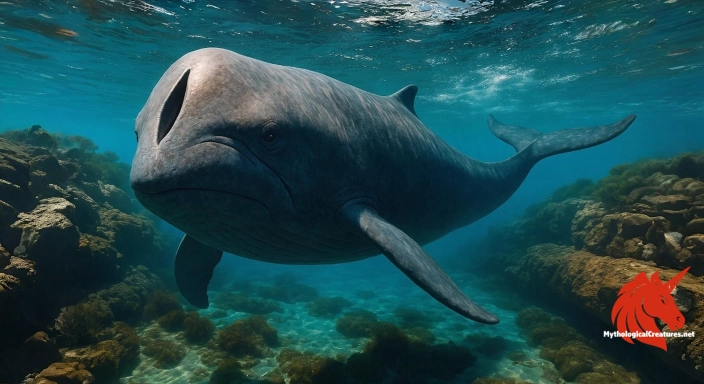
Kondole
Kondole - Kondole’s story explains the origin of whales in Ngarrindjeri mythology and serves as a moral lesson on the consequences of selfishness and neglect of communal duties.
Origins & First Encounters
Kondole emerges as a striking figure within the rich tapestry of Aboriginal mythology, embodying both human frailty and the transformative power of nature. His story originates from the ancient spiritual traditions of the Ramindjeri subgroup of the Ngarrindjeri people, where his character plays a pivotal role during significant ceremonial rites. Raised amidst the sacred landscapes of Australia, Kondole is remembered for his contentious disposition and solitary possession of fire. His reluctance to share this crucial element during an important ceremony sparked events that forever altered the natural order. In a moment of communal desperation and frustration, a spear was hurled into his skull, setting in motion a metamorphosis that transcended the mortal plane. The violent act became the catalyst for a dramatic transformation, whereby Kondole was reborn as the first whale, symbolically merging human imperfection with the vast mystery of the ocean. His new form was not merely a physical change but also a powerful emblem of the interconnectedness of all living things. The narrative underlines the consequences of selfishness in a communal setting while also celebrating the enigmatic processes of change. Every facet of his tale reflects deep cultural values, drawing attention to the precarious balance between individual identity and collective responsibility. Over time, Kondole’s legacy has come to represent the unpredictable interplay between human actions and the natural world.
Source Texts & Tale Variants
The story of Kondole is primarily preserved through a dynamic oral tradition that has been passed down through countless generations. Indigenous elders and ceremonial leaders have long recounted his tale, ensuring that his image endures in the collective memory of the community. Early ethnographic accounts, captured by researchers visiting the region, have provided a written record of these vibrant narratives. Despite variations in detail, all versions recount his crucial role as the keeper of fire and the profound consequences that followed his act of concealment. Some traditions emphasise the moment of conflict during the ceremony, while others focus more on the symbolic rebirth that ensued. The spear incident stands as a consistent motif, marked by its transformational effect that altered both Kondole and the natural order. Oral renditions often include rhythmic chants, dance, and artistic imagery that reinforce the moral lessons embedded in his myth. These multiple layers of retelling might differ in aspects such as the portrayal of his character or the significance of his role, yet all highlight the themes of retribution and metamorphosis. This diversity of narratives enriches the myth, allowing it to adapt and thrive within the evolving cultural landscape of its people. The enduring nature of these stories exemplifies the strength and flexibility of the oral tradition in safeguarding ancestral wisdom.
Form & Powers
The physical depiction of Kondole has evolved through time, merging elements of human form with the undeniable presence of the natural world. In his human guise, he is often envisioned as a rugged, uncompromising figure whose stern features foreshadow the transformation that awaits him. The moment of metamorphosis is marked by a violent injury—a spear lodged in his skull—which becomes a focal point of his new identity. This unique wound is reinterpreted as the blowhole of a majestic whale, seamlessly blending human anatomy with marine grandeur. His massive, transformed form is portrayed with an almost sculptural quality, where smooth, ancient skin reflects both the hues of the ocean and the contours of arid outback landscapes. Artists and storytellers have depicted him with intricate markings that symbolise the sacred fire he once possessed, adding layers of symbolic meaning to his appearance. The size and proportions of Kondole as a whale vary in different renditions, sometimes emphasising formidable strength and at other times a solemn grace. Mysterious, expressive eyes hint at the memory of his human origins, evoking both regret and wisdom. Every detail—from the curvature of his body to the pronounced opening where the spear struck—serves as a visual narrative of transformation. The physical portrayal of Kondole thus stands as a testament to the enduring power of myth to capture the essence of change.
Regional Faces
Across different regions of Australia, the tale of Kondole undergoes various adaptations that reflect localized cultural influences and environmental contexts. Primarily rooted in the traditions of the Ramindjeri subgroup, the core elements of his story remain intact, yet the nuances vary in neighbouring communities. Some regions amplify the role of fire as a sacred element, imbuing Kondole with additional layers of symbolism related to warmth, life, and spiritual energy. Other adaptations highlight the interplay between terrestrial and aquatic worlds, underscoring the transformative impact of natural forces that govern the land. In certain renditions, Kondole embodies both the trickster and the outcast, demonstrating the ambiguous character traits that resonate with listeners on multiple levels. Local ceremonies may incorporate distinct rituals or artistic interpretations, thereby reinforcing particular aspects of his myth. Variations in artistic depictions, such as rock sculptures and ceremonial paintings, offer a visual dialogue that speaks to regional interpretations. The changes in narrative emphasis reflect the diverse ways communities engage with nature, spirituality, and communal ethics. Despite these regional variations, the essential message of transformation and the consequences of exclusion remain a continual thread. Thus, the myth of Kondole both unites and differentiates various cultural landscapes, each crafting their own unique connection to the ancient story.
Cultural Parallels
The narrative of Kondole shares compelling parallels with transformation myths from diverse cultures across the world. In many traditions, the act of metamorphosis serves as a powerful allegory for change and redemption, much like Kondole’s transition from a flawed human to a majestic whale. Similar themes can be found in Pacific Island legends, where figures undergo profound transformation to become marine beings that embody the spirit of the ocean. In Greco-Roman mythology, certain accounts of human-to-beast metamorphosis echo the same archetypical motifs of punishment and rebirth, suggesting a universal fascination with the interplay between human error and nature’s response. Indigenous cultures from North America and other regions also cherish tales where natural elements and human virtues are intertwined, offering lessons in humility and responsibility. These narratives often stress that personal transgressions can lead to broader ecological or social transformations. By comparing these myths with the story of Kondole, one can trace a shared cultural impulse to interpret natural phenomena as consequences of personal and communal actions. The cross-cultural analogues underscore a fundamental human desire to reconcile the unpredictable forces of nature with the moral order of society. Such comparative analysis not only enriches our understanding of Kondole’s myth but also illustrates the enduring power of transformation stories across disparate ancestral traditions. The similarities between these varied narratives highlight a global dialogue on the nature of change, retribution, and the sacred unity of all life.
Legacy & Modern Evolution
The myth of Kondole has continued to evolve, remaining a vibrant and influential symbol in both traditional and modern contexts. Over the centuries, his story has transcended mere myth to become a living narrative that informs cultural identity and community values. Contemporary interpretations often cast his transformation as a metaphor for the delicate balance between individual actions and their broader environmental and social implications. Modern Aboriginal artists and performers frequently reinterpret his tale through innovative mediums that blend traditional storytelling with contemporary art forms. This evolution is visible in community festivals, theatre, and visual art where the symbolic power of fire and metamorphosis are reiterated with fresh significance. Educational programmes now utilise Kondole’s narrative to instil lessons on environmental stewardship and communal responsibility in younger generations. The myth’s enduring legacy also serves as a reminder of the intrinsic connection between people and nature, an ethos that resonates deeply in today’s ecological discourse. Academic and cultural discussions continue to explore how Kondole’s tale reflects broader themes of retribution, renewal, and moral ambiguity. As a result, his story remains a dynamic force in the cultural consciousness, bridging the gap between ancient wisdom and modern sensibilities. The transformation of Kondole from a contentious man to the primordial whale encapsulates a timeless allegory of change that continues to inspire and challenge contemporary narratives about identity and the natural world.
Interesting Fact
Kondole’s myth uniquely intertwines themes of punishment, transformation, and creation, offering a distinctive explanation for the origin of whales through a transformative act born of human folly.
For authors, artists, and makers
Created something from the realm of myth?
If your book, deck, game, or artwork draws from legendary creatures and lore, you can showcase it here in a tasteful, year-round placement.
Share your projectQuick Creature Info
Origin:
Features:
Associations:
Our Mythic Legendary Rating:

Habitat:
Supernatural Powers:
Physical Attributes:
Abilities:
Behavior:
Lore:
Related Creatures, Tales or Lore
- IIku-Turso
- DDakuwaqa
- CCetus
References
Discover Another Mythical Legend You May Not Have Heard Of?
Uncover the mysteries of ancient folklore and expand your knowledge of legendary beings from cultures around the world.
Dare to Meet the Capheira....
Curated by the Mythological Creatures Team
Series editor: Mythological Creatures Directory
Primary desk: Asian & Pacific Myth Cycles Desk
(rev. November 2025)