
Kuzuryū: Kuzuryū, also known as Kuzuryūshin, is a nine-headed dragon deity from Japanese folklore associated with water.
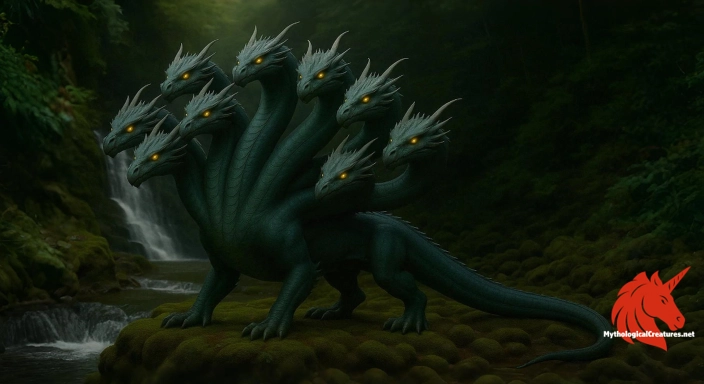
Kuzuryū
Kuzuryū - Kuzuryū plays a significant role as a divine water deity, symbolizing both power and benevolence in regional legends.
Origins & First Encounters
Kuzuryū is an enigmatic figure in Japanese mythology, celebrated as a nine‐headed dragon whose very presence embodies the immense power and mystery of water. Its legend emerges from the deep well of Japan’s ancient traditions, where natural phenomena and spiritual reverence seamlessly intertwine. The deity’s inception is rooted in early Shinto beliefs and Buddhist symbolism, which together envisaged nature as both a nurturing and unpredictable force. Ancient local narratives recount how this multifaceted creature presided over life‐affirming rains and the tumult of seasonal floods. Its nine heads are seen as an expression of the diverse aspects of nature, each representing a unique facet of water’s bounty and its potential for destruction. Over time, Kuzuryū evolved from shadowy oral traditions to an enduring symbol celebrated across numerous regions including Hakone, Nagano, and Fukui. Community rituals and shrine legends highlight the creature’s dual role as a blessing in times of drought and a dire warning when environmental imbalances arise. Today, Kuzuryū remains a powerful emblem of Japan’s deep-rooted connection to water and the ever-changing natural world.
Source Texts & Tale Variants
Ancient texts, shrine records, and oral traditions form a rich mosaic of sources that capture the essence of Kuzuryū. Folkloric accounts from diverse areas of Japan have chronicled tales of this nine‐headed dragon, sometimes identified as Kuzuryūshin, underscoring its divine attributes and profound influence. Manuscripts from the Edo period provide vivid depictions and detailed descriptions, portraying the creature as a benevolent force of nature as well as a potential harbinger of calamity. In closely guarded local archives, temple carvings and ritual documents echo stories of miraculous interventions by the deity in times of both abundance and disaster. Oral narratives passed down through generations continue to add subtle nuances to its character, blending historical reverence with inventive local colour. Variations in these stories are evident, with some regions extolling its life-sustaining generosity, while others offer cautionary tales regarding its wrath. These differing accounts not only attest to the creature’s widespread cultural impact, but also illustrate how its myth has been reshaped over time. Each retelling contributes to an ever-evolving portrait of Kuzuryū, balancing acts of compassion with the undeniable ferocity of nature.
Form & Powers
Visually, Kuzuryū is portrayed as a magnificent and awe-inspiring entity, its form dominated by nine distinct heads that radiate both regality and power. The creature’s sinuous body is cloaked in scales whose colours shift between the deep blues of a stormy sea and the serene greens of a forest river. Detailed artistic renderings describe each head with its own intricate expressions, some exuding calm wisdom while others flash a fierce determination. The delicate frills, subtle horns, and luminous eyes of each head are rendered with exquisite care, symbolising its divine nature. Its long, undulating body mirrors the flowing lines of a meandering river, capturing the essence of water’s continuous movement and transformation. Varying depictions paint Kuzuryū as either a colossal force spanning entire valleys or as a more modest guardian carved into ancient stone at local shrines. The interplay of light upon its scales has often been described as magical, evoking both the sparkle of water under the sun and the mysterious glow of the moonlit tide. Intricate details in temple carvings and folklore visualisations emphasize an almost otherworldly craftsmanship, where every scale and curve tells a story of nature’s boundless beauty and formidable power.
Regional Faces
Across Japan, the depiction of Kuzuryū adapts to the unique cultural and environmental contexts of regions such as Hakone, Nagano, and Fukui. In the geothermal heart of Hakone, the dragon is revered as a gentle water spirit that invigorates hot springs and purifies mineral-rich waters. In the rugged, mountainous landscapes of Nagano, regional lore bestows it with a dynamic character—a force capable of both bestowing blessings and unleashing the fury of torrential rain to transform the land. In Fukui, local narratives enshrine the deity as a mystical guardian whose presence is essential for ensuring seasonal prosperity and averting catastrophic floods. These regional adaptations have influenced artistic depictions, resulting in variations that incorporate local colours, materials, and symbolic motifs. Community festivals and traditional processions often feature dramatic portrayals of Kuzuryū, reflecting each area’s unique relationship with its natural surroundings. Craft traditions have also played a role in reimagining the deity’s form, blending ancestral iconography with modern interpretative styles. Such variations underscore a profound cultural truth: a single mythic figure can encapsulate multiple interpretations, mirroring the diverse environments and societal values found throughout Japan.
Cultural Parallels
Kuzuryū finds fascinating parallels with other multi-headed dragons and serpentine deities featured in both Eastern and Western mythologies. The motif of multiple heads, as seen in Kuzuryū, is also present in Chinese traditions with the revered Dragon Kings, where it symbolises a confluence of power and benevolence within the natural world. This shared imagery extends to mythic creatures such as the Greek Hydra, whose regenerative qualities and inherent complexity echo the layered symbolism found in the nine-headed dragon of Japan. Across cultures, multi-headed entities commonly represent the multifaceted aspects of nature, a theme that resonates deeply with humankind’s attempts to understand and control the forces of the environment. Kuzuryū’s dual role—as both a life-giver through its control of water and a potential harbinger of natural disaster—mirrors the universal tension between creation and destruction. These comparisons highlight a cross-cultural fascination with the interplay between humanity and nature, transcending geographical boundaries. While each cultural tradition imbues its creature with unique local flavour, the underlying symbolism of overcoming chaos through divine order is a common thread. The diversity of mythological narratives surrounding multi-headed dragons serves to remind us of the timeless human impulse to personify and revere the elemental forces that shape our world.
Legacy & Modern Evolution
Over the centuries, Kuzuryū has undergone a remarkable transformation from an elusive folkloric spirit into a celebrated symbol in both historical and contemporary cultural landscapes. Early depictions, emergent from oral storytelling and carved stone inscriptions in ancient shrines, gradually evolved during the Edo period to feature prominently in ukiyo-e prints and other visual art forms. This evolution reflects the manner in which communities have interwoven the deity’s myth with their cultural identity, celebrating it in seasonal festivals and ritual performances. With time, Kuzuryū has come to represent more than just a symbol of natural power; it is now seen as an emblem of the delicate balance between humanity and the environment. Modern reinterpretations in literature, film, and popular culture have reimagined the nine-headed dragon with innovative twists, often highlighting themes of environmental sustainability and the enduring majesty of nature. Cultural institutions and tourism initiatives in regions historically linked to Kuzuryū have embraced its legacy, reviving ancient traditions in new and creative ways. This dynamic recontextualisation ensures that the myth remains accessible and resonant for contemporary audiences. Today, Kuzuryū continues to bridge the gap between past and present, forever echoing the timeless dialogue between the forces of nature and the human spirit.
Interesting Fact
An intriguing aspect of Kuzuryū is the interpretation of its nine heads, which some scholars argue represent the different regions of Japan, highlighting its guardianship over the country's water resources.
Sponsor this space
Tasteful, fixed-fee placements for myth projects
No bidding wars or flashing banners. We offer simple placements for a small set of creators and brands aligned with our readers.
Request further detailsQuick Creature Info
Features:
Associations:
Our Mythic Legendary Rating:

Also Sometimes Known As:
Habitat:
Supernatural Powers:
Physical Attributes:
Abilities:
Lore:
Related Creatures, Tales or Lore
References
Discover Another Mythical Legend You May Not Have Heard Of?
Uncover the mysteries of ancient folklore and expand your knowledge of legendary beings from cultures around the world.
Dare to Meet the Otomitl....
Curated by the Mythological Creatures Team
Series editor: Mythological Creatures Directory
Primary desk: Asian & Pacific Myth Cycles Desk
(rev. November 2025)