
Otomitl: Otomitl is a colossal and revered giant in Aztec mythology, one of the six sons born from Iztac-Mixcoatl and Tlaltecuhtli.
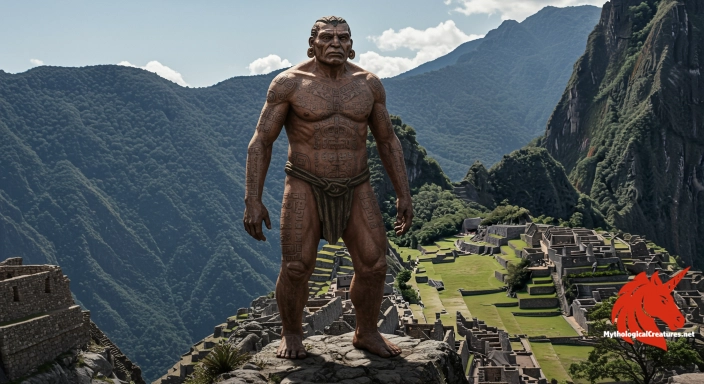
Otomitl
Otomitl - Otomitl is a crucial figure in Aztec cosmogony, representing the repopulation and civilising of the Earth following the Great Flood.
Origins & First Encounters
Otomitl is a formidable figure rooted in the rich tapestry of Aztec cosmogony, emerging as one of the six giant progenies spawned by the union of Iztac-Mixcoatl and Tlaltecuhtli after the catastrophic Great Flood. His name, derived from Nahuatl and interpreted as 'Jute bone' or 'Where the otomies are', immediately hints at his deep connection with the land and its people. He is remembered for ascending the mountainous regions near Mexico, an act that symbolises both physical elevation and the rise of civilisation from desolation. His role in colonising regions such as Tollan, Xilotepec, and Otompan underscores his significance in the repopulation narrative of the Fifth Sun. The portrayal of Otomitl is not only a mythic account of progeny but also serves as a religious metaphor for rebirth and the resilience of native peoples. His ancestry, linked with celestial and terrestrial deities, reflects the synthesis of cosmic order and earthly existence characteristic of Aztec belief systems. The legend portrays him as both a literal and figurative bridge between an ancient past and the promise of renewed life. Over time, his myth has woven itself into the cultural fabric of Mesoamerica, remaining a symbol of strength, endurance, and the power of rebirth.
Source Texts & Tale Variants
The tale of Otomitl is chronicled in various pre-Columbian codices and oral traditions that have been carefully transmitted through generations. Ancient texts and iconographic representations, though fragmented, provide glimpses into his epic journey and the foundational role he played in establishing early communities. Numerous versions of the myth exist, with some accounts focusing on his ascent to the mountains while others emphasise his contributions to the founding of important urban centres. The narrative is interwoven within broader recitations of the Great Flood and the ensuing cosmic reordering that followed. Several local variants, preserved in regional manuscripts and indigenous folklore, offer subtle differences in detail which highlight his multifaceted character. These sources, while diverse, collectively reinforce his prominence as a cultural hero and a cornerstone of Aztec myth. The interplay between written codices and oral storytelling adds to the richness of his legend, reflecting the dynamic nature of myth-making in pre-Columbian societies. Modern scholars continue to piece together these sources, illuminating the layers of tradition and symbolism that define Otomitl’s story.
Form & Powers
In traditional depictions, Otomitl is envisioned as an immense giant with an imposing presence that merges human and elemental qualities. His name, hinting at 'jute bone', evokes images of a being with a robust skeletal structure that lends an air of indestructibility to his form. Artistic portrayals often highlight his muscular build, accentuating both his physical strength and endurance. He is sometimes shown with features that merge earth and sky, embodying the raw power of nature through his weathered visage and muscular contours. Variations in his representation include both a noble, almost regal mien and a more feral aspect in line with his origins during a catastrophic era. Certain depictions include symbolic attributes such as elaborate tattoos or markings that emphasise his divine lineage and connection to sacred mountains. The imagery associated with Otomitl is both imposing and mystical, embodying the spirit of an ancient titan whose form is as enduring as the land itself. His stature, often giant and awe-inspiring, makes him a memorable figure in the pantheon of Mesoamerican myth, transcending mere physicality to represent cosmic resilience.
Regional Faces
Regional interpretations of Otomitl’s legend vary significantly across different parts of Mesoamerica, reflecting local cultural and environmental influences. In central Mexico, his legacy is firmly entwined with the highlands, where the rugged terrain and mountain paths echo his mythic ascent and colonisation efforts. Folk traditions in nearby regions have adapted his story, sometimes portraying him as a guardian of mountainous passes or a benefactor of communal life in highland settlements. In areas such as Tollan and Otompan, local lore has grown around his name, often celebrating him through festivals and ritual commemorations that honour ancient heritage. Some communities stress his role as a civilising force who brought order and prosperity to regions scarred by primordial chaos. Variants of his myth may highlight different aspects of his character, with some accounts underlining his piety and others his martial prowess. This regional diversity enriches the overall narrative of Otomitl, showcasing how a single mythic character can be reinterpreted to express local identities and values. Consequently, his story serves as a unifying thread that connects diverse cultural expressions across the Aztec heartland and beyond.
Cultural Parallels
Otomitl’s narrative invites intriguing comparisons with other mythological giants who personify the rebirth of civilisation after calamity. Much like the Titans of Greek mythology or the mighty Jotunn of Norse lore, Otomitl embodies the theme of primordial chaos transforming into a structured cosmic order. His role in repopulating the earth offers a parallel to flood narratives found in various cultural traditions, suggesting a universal motif of destruction followed by renewal. In many respects, his ascent to the mountains mirrors the journeys of legendary heroes who are tasked with elevating humanity from misfortune to greatness. Similar to the symbolic acts undertaken by figures such as the biblical Noah or the culturally rich ancestors in other indigenous traditions, his story spans elements of divine intervention, natural order, and human resilience. This comparative study highlights how disparate cultures articulate the shared human experience of overcoming cataclysm to forge a new beginning. Otomitl’s myth, therefore, is not an isolated tale but rather a reflection of a broader narrative tradition that crosses geographical and temporal boundaries. His enduring presence in Aztec mythology serves as a compelling case of cross-cultural myth-making, resonating with stories of survival and rebirth around the world.
Legacy & Modern Evolution
The myth of Otomitl has evolved significantly over the centuries, transitioning from ancient codices and oral recitations to modern reinterpretations in art, literature, and popular culture. Early depictions in Aztec art conveyed his formidable nature and role as a progenitor of civilisation, a portrayal that has continued to inspire contemporary representations. In recent times, his legend has been rediscovered by cultural historians and indigenous communities alike, prompting new artistic expressions that blend traditional motifs with modern aesthetics. His story is now viewed as a symbol of resilience and the enduring spirit of the native peoples of Mesoamerica. Festivals, public artworks, and cultural dialogues often invoke his legacy to espouse themes of rebirth, cultural pride, and environmental stewardship. By examining his narrative, modern audiences can access a past rich in metaphor and meaning, informing discussions on identity and heritage. The enduring appeal of Otomitl’s myth is evident in the way it continues to resonate with those seeking to understand the symbiotic relationship between humanity and the natural world. His legacy, firmly anchored in ancient myth yet continually evolving in contemporary discourse, serves as a bridge between a storied past and the challenges of the modern era.
Interesting Fact
Otomitl’s narrative highlights the Aztec belief in cyclical creation, where destruction is succeeded by regeneration, making his role as a giant progenitor central to the mythological explanation of Earth’s renewal.
For authors, artists, and makers
Created something from the realm of myth?
If your book, deck, game, or artwork draws from legendary creatures and lore, you can showcase it here in a tasteful, year-round placement.
Share your projectQuick Creature Info
Origin:
Associations:
Our Mythic Legendary Rating:

Also Sometimes Known As:
Habitat:
Supernatural Powers:
Physical Attributes:
Abilities:
Behavior:
Lore:
References
Discover Another Mythical Legend You May Not Have Heard Of?
Uncover the mysteries of ancient folklore and expand your knowledge of legendary beings from cultures around the world.
Dare to Meet the Cabbit....
Curated by the Mythological Creatures Team
Series editor: Mythological Creatures Directory
Primary desk: Americas & Indigenous Traditions Desk
(rev. November 2025)