
Loyalakpa: Loyalakpa is a revered god in Sanamahism, known as one of the ten divine kings in Meitei religion.
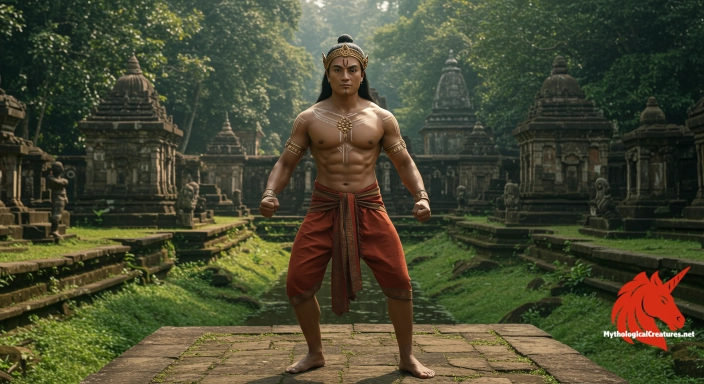
Loyalakpa
Loyalakpa - Loyalakpa is celebrated as one of the ten divine kings, symbolising cosmic order and strength in the Meitei pantheon.
Origins & First Encounters
Loyalakpa emerges as a vibrant figure within the intricate tapestry of Sanamahism, the indigenous faith of Manipur. His origins are shrouded in the mystique of ancient ritual, where myth and history converge to celebrate his martial vigour and divine authority. As one of the ten kingly gods in the Meitei pantheon, his story has been cultivated over centuries, growing in richness and complexity. Tales of his wrestling encounter with Khoriphaba during the lively Lai Haraoba festival illustrate his prowess and the cultural importance of physical challenges. His consort, Thoudu Nungthel Leima, reflects a harmonious union that intertwines strength with grace, reinforcing the intricate balance of divine relationships. Ritual performances and festival enactments consistently evoke his persona as both a formidable warrior and a compassionate ruler. The narrative of Loyalakpa not only epitomises the valor and regal dignity of deities but also serves as a cultural cornerstone for the Manipuri people. His myth continues to be a source of inspiration, bridging the celestial with the earthly and offering insight into the ancient values that still resonate in the modern era.
Source Texts & Tale Variants
The story of Loyalakpa is preserved in a diverse range of traditional accounts, from oral recitations to ceremonial enactments during religious festivals. Oral lore, passed down through generations, forms the heart of his myth, with every recital adding nuance to his legendary exploits. Ritual ceremonies, particularly those enacted during the Lai Haraoba festival, act as dynamic texts that recount his contests and divine attributes. In some narratives, the wrestling match with Khoriphaba is depicted with dramatic intensity that has been enhanced over time. Regional folk songs and local legends embellish his debut, providing layers of cultural interpretation and symbolic depth. Although early written records are sparse, temple inscriptions and ritual documents hint at a more formalised mythos surrounding his deeds. These varied sources contribute to a multiplicity of storylines, each offering a distinct perspective on his role as a champion of divine order. As communities adapt and reinterpret his adventures, Loyalakpa’s narratives continue to evolve, reflecting shifts in societal values and spiritual outlooks. The coexistence of multiple versions ensures that his essence remains vibrant and accessible to different audiences. This melding of tradition and adaptation highlights the enduring power of myth as a living art form.
Form & Powers
Artistic depictions of Loyalakpa often highlight his imposing and muscular form, a testament to his legendary strength and combat prowess. His statues and iconography frequently portray him with a robust physique that conveys both power and grace. His eyes are rendered as vibrant and penetrating, suggesting a deep reservoir of wisdom alongside a fierce passion for justice. Elaborate headdresses and ceremonial adornments accentuate his status as one of the regal divine kings, integrating elements that symbolise authority and cosmic order. Many images capture him in dynamic poses that underscore his readiness for battle and his agility in ceremonial dances. The intricate details carved into temple reliefs reveal a balance between physical might and the softer, compassionate aspects of his divine nature. Traditional motifs are interwoven into his attire, reflecting indigenous symbols of nature, heroism, and spiritual legacy. Varying in size and style across different regions, his representations frequently merge historical aesthetics with mythic embellishment. The interplay of light and shadow in his sculptural forms lends a sense of movement, suggesting that even in stillness, his energy remains undiminished. This rich iconographical tradition strengthens the connection between Loyalakpa’s mythical persona and the natural as well as cultural landscapes of Manipur.
Regional Faces
While Loyalakpa is predominantly celebrated within Manipur, his myth exhibits intriguing variations that echo in neighbouring cultural traditions. In distinct localities, the deity’s attributes are sometimes accentuated to highlight regional martial customs or agricultural rites. Some rural adaptations present him as an earthy guardian whose influence extends beyond the ceremonial arena into everyday community life. Variations in artistic depictions reflect minor shifts in symbols and motifs, with local artists incorporating indigenous patterns that mirror their natural environment. In certain villages, Loyalakpa is celebrated not only as a celestial warrior but also as a patron of local festivities, with legends tailored to regional celebrations. Community rituals often infuse his mythology with elements of local lore, transforming his enduring story into a living narrative that adapts to contemporary needs. Different performance styles during festival enactments may emphasise alternative aspects of his character, from rugged determination to a benevolent protectorship. Such regional variations ensure that, despite overarching similarities, every local rendition of Loyalakpa’s myth is imbued with a unique cultural flavour. These diverse portrayals reinforce the adaptability and universal appeal of his mythology, making him a symbol of both local pride and shared spiritual heritage. His widespread veneration across varied cultural landscapes underscores the seamless integration of myth and regional identity.
Cultural Parallels
The myth of Loyalakpa finds resonances with legendary figures from diverse mythological traditions, underscoring a universal admiration for deities who excel in both warfare and wisdom. His celebrated wrestling match with Khoriphaba is reminiscent of heroic duels recounted in myriad cultures, where physical contests symbolise the eternal battle between order and chaos. Parallel narratives in classical mythology often focus on warriors whose feats are as much about personal virtue as they are about strength, evoking comparisons with figures like Hercules or the heroic aspects of Krishna. The dual nature of Loyalakpa, whose identity blends the fierceness of a warrior with a compassionate, regal bearing, mirrors the complex characterisations seen in other divine traditions. In many ways, his consort relationship with Thoudu Nungthel Leima reflects a recurring mythological theme of balance between masculine and feminine energies. Comparative mythology reveals that such encounters, blending martial challenges with elements of divine romance, are not unique to the Meitei tradition but are universally present as metaphors for cosmic harmony. His narrative serves as a symbolic bridge between disparate cultural expressions of heroism, thus allowing cross-cultural dialogues regarding the archetypes of strength and leadership. The interplay of physical combat and ritual symbolism in his myth resonates with similar themes observed in indigenous and classical narratives alike. Loyalakpa’s myth, therefore, occupies not only a central place in Manipuri traditions but also a significant role in the broader comparative study of mythological art and storytelling. This cultural parallel reinforces the idea that myth, regardless of its origin, speaks to universal themes of human endeavour and the quest for balance.
Legacy & Modern Evolution
Over the centuries, the depiction of Loyalakpa has transformed to reflect broader social and spiritual shifts while preserving the core of his mythic identity. Initially revered in ancient rituals as a warrior deity embodying regality and physical might, his image has gradually been reinterpreted in the light of contemporary cultural expressions. Early celebrations of his martial exploits have given way in part to modern reinterpretations where his wrestling feats symbolise the struggle for personal and communal integrity. His enduring presence in festivals such as Lai Haraoba underscores how tradition adapts over time to remain relevant to new generations. In today’s artistic and popular culture, Loyalakpa serves as a potent emblem of regional pride and a custodian of Manipuri heritage. Modern performances, films, and art installations have all drawn inspiration from his myth, casting him as a dynamic symbol of resistance, strength, and cultural continuity. Contemporary narratives often explore the dichotomy of his character—merging the valor of an ancient warrior with the complexities of modern life. His evolving portrayal reflects both a respect for tradition and an innovative spirit that challenges clichéd interpretations of divine heroism. In reimagining his story, modern storytellers continue to draw from a well of ancient symbolism, ensuring that Loyalakpa remains an influential figure in the cultural and spiritual landscape. His journey from a venerable deity of old to a modern icon testifies to the timeless nature of myth and its capacity to inspire across eras.
Interesting Fact
Loyalakpa's wrestling match with Khoriphaba is a highlight of the Lai Haraoba festival, symbolising the dynamic interplay of power and harmony in Meitei spirituality.
For indie creators
Give your myth project a permanent home
Indie authors, artists, small studios, and makers can secure an annual, non-intrusive sponsor slot that meets readers where they explore.
Obtain more informationQuick Creature Info
Our Mythic Legendary Rating:

Habitat:
Supernatural Powers:
Physical Attributes:
Abilities:
Behavior:
Lore:
References
Discover Another Mythical Legend You May Not Have Heard Of?
Uncover the mysteries of ancient folklore and expand your knowledge of legendary beings from cultures around the world.
Dare to Meet the Aphrodite....
Curated by the Mythological Creatures Team
Series editor: Mythological Creatures Directory
Primary desk: Asian & Pacific Myth Cycles Desk
(rev. November 2025)