
Lutin: The lutin is a folkloric hobgoblin from French fairy tales, celebrated for its mischievous and playful nature.

Lutin
Lutin - Embodies the whimsical and mysterious qualities of French folklore, balancing mischief with benevolence in domestic settings.
Origins & First Encounters
The lutin is a captivating figure in French folklore, celebrated for its blend of mischief and gentle benevolence. It has long occupied a unique space in the tapestry of fairy tales, balancing playful trickery with a protective presence in domestic life. Emerging from deep-rooted oral traditions, its earliest literary attestation can be traced back to the seventeenth century, although its mythic origins likely extend even further into history. This elusive creature, with its dual identity as both a benevolent helper and a mischievous spirit, reflects the dynamic interplay between the natural and supernatural realms. Both male lutins and their female counterparts, known as lutines, have been woven into the cultural fabric of France through countless stories and legends. Its presence in folklore symbolizes the human desire to explain the unexplained and to elevate the wonder found in everyday life. Over time, the lutin has come to represent both the mystique of an enchanted past and the adaptability of myth in changing times. Endlessly fascinating, the lutin continues to be a source of inspiration in literature, art, and popular storytelling, bridging the gap between ancient tradition and modern imagination.
Source Texts & Tale Variants
The narrative of the lutin is enriched by a variety of ancient texts and folklore sources that have shaped its many variants. One of the most renowned accounts appears in the 1697 fairy tale 'Le Prince Lutin' authored by Marie Catherine d'Aulnoy, which presents a detailed depiction of the creature in its air, water, and terrestrial forms. This narrative distinguishes the lutin’s ability to transcend physical limitations, becoming invisible at will and navigating vast spaces in an instant. Numerous oral traditions and regional stories have since expanded on these attributes, imbuing the lutin with an even more multifaceted personality. Alternative versions portray it as a household spirit that delights in both playful pranks and subtle displays of protection. Variations in the legend, including references to the Nain Rouge or 'red dwarf', add layers of complexity and sometimes darker overtones to its character. Over the centuries, the lutin’s story has been adapted and retold, reflecting local beliefs and societal changes. Each retelling has contributed unique details that underscore its transformative nature and the ease with which it straddles the worlds of the mundane and the magical. The rich tapestry of sources denotes a myth that is as diverse as it is enduring, continually evolving while staying true to its folkloric roots.
Form & Powers
In visual depictions, the lutin is often portrayed as a diminutive yet agile creature, complete with an impish quality that sets it apart from more imposing mythic beings. Its form is notably fluid, allowing it to shift seamlessly between human-like appearances and more surreal manifestations. Many accounts describe it with a wiry frame, lively eyes, and a playful smirk that hints at its penchant for mischief. Some legends even envisage the lutin donning distinctive attire, such as a red hat adorned with two feathers that endows it with the power of invisibility when desired. In a particularly striking variant, the lutin transforms into a horse known as Le Cheval Bayard, complete with a finely crafted saddle, demonstrating its capacity for dramatic change. This duality in form emphasises its role not only as a trickster but also as a guardian of the home. Variations in artistic representations often highlight subtle details like tangled hair or a nimble build, which mirror the creature’s ever-changing nature. The physical portrayal of the lutin is as dynamic as its personality, inviting viewers to explore the boundary where reality meets fantasy. Each visual detail thus contributes to a larger narrative of a being that is both familiar in its domesticity and extraordinary in its magical abilities.
Regional Faces
Local folklore across France paints a vibrant and varied portrait of the lutin, reflecting the unique cultural nuances of each region. In Normandy, for instance, the creature sometimes appears as the Nain Rouge, a red dwarf whose ominous yet intriguing presence sets it apart from more benign versions. Rural tales celebrate the lutin as a capricious household spirit, capable of both endearing assistance and playful trickery. In other parts of France, its depiction may lean more toward the benevolent, mirroring the household brownies found in English lore. Regions with deep-rooted fairy tale traditions have embraced the lutin as a symbol of local heritage, often attributing to it roles that range from silent guardian to mischievous facilitator of everyday magic. In the far north, particularly within the lore of Lapland, the lutin even finds a place alongside festive icons like Père Noël, highlighting its adaptability across cultural landscapes. These regional adaptations reveal subtle shifts in character, with variations in attire, physical form, and temperament that speak to local customs and societal values. Collectively, these diverse portrayals underscore the lutin’s remarkable ability to transform and integrate, ensuring its relevance across different communities and eras.
Cultural Parallels
The lutin holds a distinctive place within the broader spectrum of European mythical beings, sharing many traits with creatures such as the brownie, elf, and goblin. Its role as a household spirit aligns it with figures renowned for both their playful interventions and their capacity to bring unseen assistance to everyday life. Much like the Irish leprechaun or the British pixie, the lutin seamlessly bridges the gap between benevolence and mischief, endearing itself to those who glimpse its presence. Despite cultural variations, these beings commonly serve as emblems of the supernatural infiltrating the domestic sphere and symbolise a subtle challenge to the boundaries of the natural world. The cultural parallels extend further into the realm of physical transformation and magical ability, a trait they share with other shapeshifting sprites in folklore. Comparative analysis reveals that while each of these entities carries unique local flavours, they are unified in their representation of nature’s unpredictable and enigmatic forces. The lutin’s narrative echoes the broader European tradition of spirits that inhabit the margins of human society, offering both protection and playful disruption. This cross-cultural kinship enriches its mythos, highlighting a shared mythology that spans across countries and centuries. Through these parallels, the lutin not only embodies the richness of French folklore but also contributes to a pan-European tapestry of enchanting beings.
Legacy & Modern Evolution
Over the centuries, the depiction of the lutin has undergone a fascinating evolution, continually adapting to reflect the changing cultural landscape. Its early portrayals, deeply embedded in oral traditions and early fairy tales, emphasised its mysterious nature and penchant for trickery. As literature evolved, the lutin’s character became more intricately layered, blending elements of both mischief and protective charm. In more recent times, the lutin has emerged as a beloved figure in popular culture, frequently appearing in modern retellings of traditional folklore and in festive narratives associated with Père Noël. Contemporary art, literature, and film have reimagined the lutin in various forms, preserving its magical essence while adapting its symbolism to address modern themes. Its enduring legacy is evident in how it continues to inspire creative works, serving as a reminder of the perpetual allure of the fantastical. Cultural festivals and local exhibitions, particularly in regions like Normandy, celebrate the lutin as a cherished emblem of regional heritage and myth. This evolution from a subtle household spirit to a multifaceted icon illustrates the dynamic journey of folklore, resonating with new generations. Even as modern interpretations shift its nuances, the core attributes of the lutin remain intact, affirming its timeless appeal as a symbol of wonder, resilience, and the magic of everyday life.
Interesting Fact
An intriguing aspect of the lutin is its dual nature, seamlessly transitioning from an unseen, mischievous spirit to a tangible, rideable form, which highlights the rich diversity and adaptability found within French folklore.
Partner with us
Sponsor this space
Reach thousands of mythology enthusiasts with a curated placement on our creature pages.
Learn about sponsorshipQuick Creature Info
Associations:
Our Mythic Legendary Rating:

Also Sometimes Known As:
Habitat:
Supernatural Powers:
Physical Attributes:
Abilities:
Behavior:
Lore:
Related Creatures, Tales or Lore
References
Discover Another Mythical Legend You May Not Have Heard Of?
Uncover the mysteries of ancient folklore and expand your knowledge of legendary beings from cultures around the world.
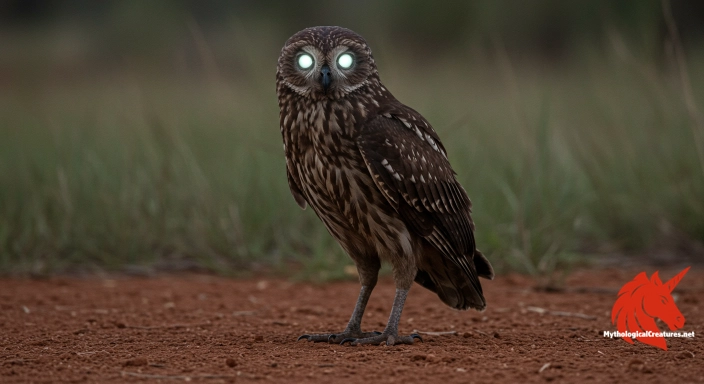
Dare to Meet the Minka Bird....
Curated by the Mythological Creatures Team
Series editor: Mythological Creatures Directory
Primary desk: Hellenic & Ancient Mediterranean Desk
(rev. November 2025)