
Marukos: Marukos is a fearsome crossroads demon from Ilocano mythology, renowned for ambushing travelling groups along desolate riverbeds.
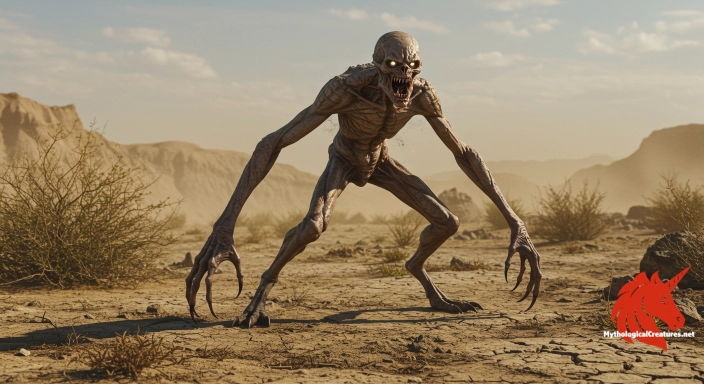
Marukos
Marukos - Marukos serves as a cautionary figure in Ilocano folklore, warning travellers of the dangers lurking in desolate crossroads.
Origins & First Encounters
Marukos is a legendary crossroads demon that has long haunted the collective imagination of the Ilocano people, its origins emerging subtly from ancient oral traditions interwoven with local superstition. Born from the interplay of nature and myth, this enigmatic entity was first chronicled in early colonial texts where it also appeared as Marrukos or Manrucos, reflecting the nuances of its evolving narrative. Its domain is the dried, rugged shrublands that skirt the western riverbeds of Ilocos, a setting that enhances its ominous allure. Travellers and local inhabitants alike have passed down tales of its uncanny ability to mislead large groups, leaving them vulnerable in the face of sudden natural disasters. Each recounting of the Marukos paints a picture of a spectral force that exists at the threshold of nature’s wrath and the human world. The creature’s chilling reputation is anchored in its association with crossroads—literal and metaphorical—symbolising moments of fateful decision and unavoidable reckoning. Over centuries, its legend has accrued layers of meaning, bridging the gap between sheer terror and a cautionary reminder of nature’s power. Its enduring presence in folklore continues to fascinate and warn, blending mysticism with the harsh realities of the landscape.
Source Texts & Tale Variants
Historical records and oral traditions provide a diverse array of accounts that illuminate the multifaceted nature of the Marukos. Early colonial documents refer to it under various spellings, a testament to how the myth was adapted and recorded by different cultures and administrations. Local storytellers have kept its legend alive through generations, ensuring that each version contributes a subtle variation in its portrayal. Some narratives focus on the creature’s method of waylaying unsuspecting groups, only sparing a lone, often young, survivor. Written accounts from the colonial era and later indigenous compilations highlight a spectrum of interpretations that range from a vengeful spirit to a misunderstood guardian of the land. In some retellings, the Marukos is associated with forewarnings of impending natural calamities, particularly flash floods that arise without warning. These diverse sources, though fragmentary, enrich our understanding of the creature by illustrating regional and temporal shifts in its role. The amalgamation of recorded texts, local lore, and visual renditions provides scholars and enthusiasts with a vivid, if ever-evolving, picture of this spectral entity.
Form & Powers
Visual depictions of the Marukos evoke an aura of unsettling ambiguity, as its form is as mutable as the landscapes it haunts. It is frequently described as a spectral figure with a body that seems to shift between solidity and shadow. Witnesses have recounted visions of a being clad in tattered, almost ephemeral garments that blend seamlessly with the barren, charred foliage of its surroundings. Its eyes, often reported to glow faintly, seem to flicker with an otherworldly luminescence that both mesmerises and terrifies. Some tales mention elongated limbs and wispy appendages, hinting at a creature that defies conventional notions of human anatomy. There are also descriptions of bark-like skin and a semi-translucent form that makes it appear as if it were composed of mist and fading memories. The Marukos is sometimes portrayed as shifting in size, its figure both imposing and evanescent depending on the observer’s state of mind and the local narrative. This ever-changing visage serves to reinforce its identity as a force beyond the limits of natural law, blurring the line between corporeal and spectral forms. Such rich imagery ensures that no single version of its appearance confines the mystery and dread that it continues to inspire.
Regional Faces
Across the varied cultural landscapes of Ilocos, the Marukos takes on distinct local colours that mirror the environmental and social peculiarities of each region. In some remote inland communities, the demon is regarded with a mix of fear and reluctant reverence, its presence emblematic of both natural unpredictability and spiritual retribution. Coastal areas, where weather and sea patterns merge into myth, sometimes recast the Marukos as a warning of turbulent tides and sudden deluges. The creature’s name shifts slightly from Marrukos to Manrucos depending on local dialects, each variant reflecting a community’s unique perspective on the supernatural. Some villages have even developed specific rituals designed to placate the spirit, underscoring a deep-rooted belief in its tangible influence on daily life. These regional adaptations highlight how the demon is interwoven with local practices, transforming from an abstract malevolence to an active participant in communal life. Local festivals and narrative performances occasionally draw upon its legend, using symbolic representations to educate and caution. The rich regional tapestry ensures that while the essence of the Marukos remains consistent—a harbinger at the crossroads—its interpretations are as varied as the landscape itself.
Cultural Parallels
The legend of the Marukos invites compelling comparisons with other global mythological figures that straddle the boundary between guardian and destroyer. Much like the famed crossroads spirits of European folklore, this Ilocano demon inhabits the liminal spaces between the known world and the realm of the uncanny. Its role as a tester of travellers and its association with natural phenomena resonate with similar entities found in Southeast Asian and even Native American traditions. Comparable to certain Japanese yōkai, the Marukos embodies the unpredictable spirit of nature, challenging the wayfarers who neglect the honour of the land. Like many mythic figures, its dual nature as both protector and harbinger of disaster underscores a universal human inclination to explain natural hazards through supernatural means. The narrative of a lone survivor emerging from a catastrophic encounter, for instance, mirrors tales from other cultures where a singular blessing or curse is interwoven with collective tragedy. Such cross-cultural parallels reveal a shared human experience of confronting the wild, untamed forces of nature. By examining these connections, one uncovers a broader conversation about the personification of nature’s dual gifts of beauty and peril, a dialogue in which the Marukos holds a resonant and enduring place.
Legacy & Modern Evolution
Through the passage of time, the Marukos has transformed from a fearsome apparition of local legend into a symbol of enduring cultural identity and environmental allegory. In earlier centuries, its fearsome visage and narratives served as both a practical cautionary tale and a supernatural explanation for sudden natural disasters. With the advent of modernity, the myth has been revitalised in literature, art, and popular media, where it is frequently reinterpreted to comment on contemporary issues such as environmental degradation and the loss of traditional ways of life. Current artistic portrayals often blend historical imagery with modern aesthetics, creating a dynamic dialogue between the past and the present. The Marukos continues to appear in festivals and community rituals, reminding modern audiences of the power of nature and the importance of heeding ancestral wisdom. Its legend has inspired academic debates as well as creative reinterpretations that explore the tensions between progress and tradition. In urban art circles, the creature is sometimes depicted as a metaphor for the unforeseen consequences of modernisation, capturing the dissonance between human ambition and natural forces. These evolving interpretations affirm that the Marukos remains a potent, multifaceted symbol, one that continues to bridge the gap between ancient myth and modern reality.
Interesting Fact
The multiple spellings of Marukos reflect the historical blending of local and colonial influences in the evolution of Ilocano folklore.
For publishers and studios
Your next readers are already here
Many of our visitors are looking for books, campaigns, and resources that deepen their journey into myth. Position your title or setting here.
Discuss a placementQuick Creature Info
Origin:
Features:
Associations:
Our Mythic Legendary Rating:

Also Sometimes Known As:
Habitat:
Supernatural Powers:
Physical Attributes:
Abilities:
Behavior:
Lore:
Related Creatures, Tales or Lore
References
Discover Another Mythical Legend You May Not Have Heard Of?
Uncover the mysteries of ancient folklore and expand your knowledge of legendary beings from cultures around the world.
Dare to Meet the Cronus....
Curated by the Mythological Creatures Team
Series editor: Mythological Creatures Directory
Primary desk: Asian & Pacific Myth Cycles Desk
(rev. November 2025)