
Kapre: The Kapre is a towering, dark-coloured, and hairy creature from Philippine mythology.
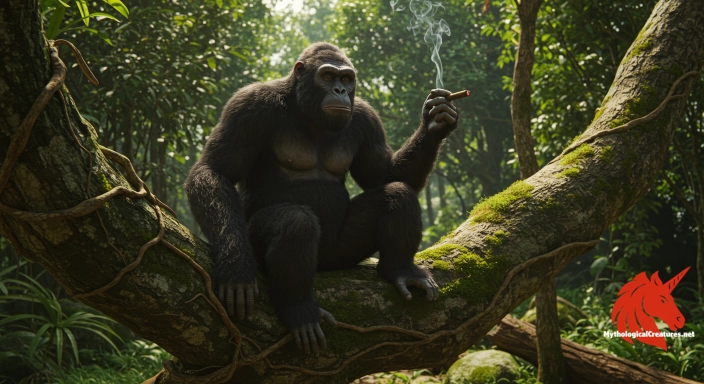
Kapre
Kapre - The kapre embodies the mystical connection between nature and the supernatural, serving as a reminder of ancient beliefs in unseen forest guardians.
Origins & First Encounters
The kapre is a towering figure in Philippine mythology, renowned for its enigmatic presence in the dense tropical forests. Standing between seven and nine feet tall, this creature has long captured the imagination of rural communities with its mysterious aura. Its origins lie deep within indigenous folklore, where oral traditions have portrayed it as both a guardian of the woodland and a capricious spirit. Early attestations of the kapre are steeped in the cultural practices of native Filipino groups, who revered natural landscapes as the abode of unseen forces. The creature’s dual nature—capable of benevolence towards respectful wanderers yet known for its mischief when disturbed—adds to its complex character. Local narratives have passed down vivid descriptions of its dark, hairy visage and unmistakable body odour through generations. Often seen perched high in ancient trees, the kapre is emblematic of humanity’s age-old interplay with the natural world. Its legend serves as a reminder of the thin boundary between everyday life and the mysterious forces lurking in the wild, a theme that resonates deeply in Filipino cultural identity.
Source Texts & Tale Variants
Stories and legends about the kapre have been preserved mainly through oral transmission among local communities across the Philippines. Although the creature does not appear in classical literature, early Spanish colonial accounts and travellers’ observations sometimes alluded to a giant, mysterious being dwelling in the forests. Modern folklore compilations have gathered numerous variants of the kapre narrative, each adding distinct regional flavours to its myth. Written records from the early twentieth century, gathered by folklorists, have captured many of these captivating tales, ensuring a continued interest in its story. Many versions describe the kapre as a solitary, smoke-loving entity, quietly observing from the heights of towering trees. Some narratives even detail interactions between the kapre and local villagers, where it appears both as a watcher and an occasional playful trickster. Diverse retellings have led to multiple interpretations, with some versions depicting it as a benevolent protector of the forest and others as a cautionary figure. The cumulative wealth of these sources enriches the kapre’s legend, combining ancient oral traditions with later documented anecdotes that have kept the myth alive over the years.
Form & Powers
Physically, the kapre is depicted as a formidable giant whose stature and strength set it apart from ordinary beings. It is typically described as having a dark, hair-covered body that exudes an aura of primal wildness, with a physique that is both muscular and imposing. Its appearance is further distinguished by a strong body odour, a detail that enhances its mystical and somewhat unsettling reputation. The kapre’s face is often rendered with expressive features that convey both wisdom and a shadow of mischief. Tales frequently mention its deep-set eyes, which some believe glow in the twilight, adding to the creature’s supernatural mystique. Its long, powerful limbs and robust build not only contribute to its terrifying presence but also symbolise the raw power of nature. Variations in descriptions sometimes suggest subtle shifts in its size and form, reflecting the elusive quality of its nature. The creature’s overall aesthetic—a mix of ape-like features and a larger-than-life presence—seamlessly ties its image to that of a forest guardian. This unique combination of traits makes the kapre one of the most visually striking figures in Philippine folklore.
Regional Faces
Across the Philippine archipelago, the likeness and temperament of the kapre shift subtly to mirror the local cultural landscapes. In some northern regions, the kapre is portrayed as a more benign spirit, one who acts as a silent protector of the forests and a guide to lost travellers. In contrast, southern folkloric traditions often cast the creature in a more formidable light, emphasising its capacity to instil fear in those who disturb the natural order. Local adaptations have even led to depictions where the kapre’s features are intermingled with regional symbolism, such as distinctive markings or accessory ornaments. In rural communities, the creature’s presence is sometimes woven into local celebrations and seasonal rites, highlighting its role in agricultural cycles. Despite these regional variations, common elements such as its towering size, hairy exterior, and affinity for tree dwellings remain constant. These variations reflect how different communities embrace and reshape a shared myth to express their individual relationship with nature. Such regional reinterpretations illustrate the flexibility and enduring appeal of the kapre legend across diverse locales.
Cultural Parallels
The kapre finds interesting parallels with many mythological beings from around the world that also embody the powerful forces of nature. Like the North American Bigfoot or the elusive yet revered forest spirits in European folklore, the kapre represents a bridge between the tangible human world and the mysterious wilderness. In Greek mythology, figures such as the satyrs—creatures of the wild with distinctive, untamed traits—echo aspects of the kapre’s half-human, half-animal persona. Similarly, legends from neighbouring Southeast Asian cultures describe tree-dwelling entities that share the kapre’s affinity for smoke and solitude among the treetops. These cross-cultural comparisons underscore a universal theme of humanity’s attempt to personify the forces of nature. The creature’s portrayal as both protector and trickster is also a motif found in various indigenous mythologies, reinforcing its role as a symbol of the unpredictable natural world. Despite differences in narrative details, the kapre and its global counterparts all serve to remind communities of the awe-inspiring yet sometimes perilous aspects of the wilderness. These similarities provide a broader understanding of how different societies use myth to navigate and interpret their relationships with nature.
Legacy & Modern Evolution
The evolution of the kapre myth reflects a broader transition from ancient oral traditions to modern interpretations in art and media. Historically, the kapre was a figure steeped in mystery, a symbol born from the natural and supernatural worlds intertwining in pre-colonial times. Over centuries, its image has subtly shifted, from a cautionary tale used to instil respect for the natural world to a more complex character appreciated for its cultural depth. In contemporary times, depictions of the kapre have found their way into films, literature, and even popular urban legends, where it is sometimes portrayed with a sense of humour and irony. Modern reinterpretations often paint the kapre as a misunderstood guardian of nature, reflecting growing environmental concerns and a renewed interest in indigenous folklore. Artists and writers reimagine its formidable appearance and enigmatic traits to comment on contemporary issues, bridging the gap between myth and modern sensibilities. The kapre continues to be a potent symbol of the tension between progress and the preservation of natural heritage. Its enduring appeal in modern culture lies in its ability to adapt and remain relevant, making it not only a relic of the past but also a vibrant part of today’s mythological landscape.
Interesting Fact
An intriguing aspect of the kapre is its penchant for smoking, a characteristic that not only sets it apart from other mythological creatures but also reflects historical associations with tobacco in Filipino culture.
Mythology commerce, done carefully
Align your store with our global myth audience
If you sell myth-inspired jewellery, prints, decks, or collectibles, we can feature your brand without overwhelming the reading experience.
Partner with usQuick Creature Info
Origin:
Features:
Our Mythic Legendary Rating:

Habitat:
Supernatural Powers:
Physical Attributes:
Abilities:
Behavior:
Lore:
Related Creatures, Tales or Lore
References
Discover Another Mythical Legend You May Not Have Heard Of?
Uncover the mysteries of ancient folklore and expand your knowledge of legendary beings from cultures around the world.
Dare to Meet the Ulanji....

Curated by the Mythological Creatures Team
Series editor: Mythological Creatures Directory
Primary desk: Asian & Pacific Myth Cycles Desk
(rev. November 2025)