
Engkanto: Engkanto are mythical environmental spirits from Filipino folklore, known for their enchanting presence and ability to appear in either human or bird form.
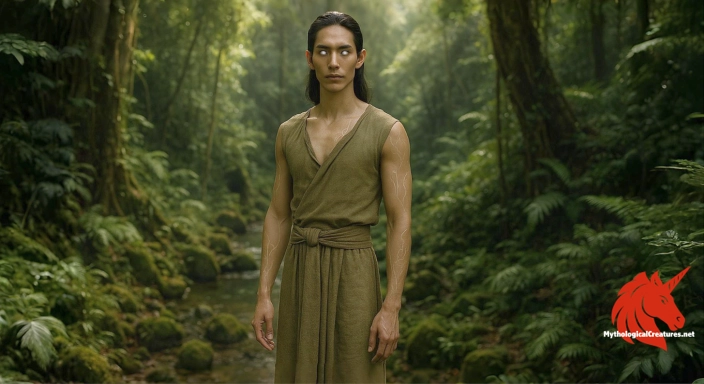
Engkanto
Engkanto - Embodies the enduring connection between nature and humanity, influencing rituals, superstitions, and the interpretation of unexplained human traits.
the legend in five swipes.
the legend in five swipes.
Where does the story of Engkanto begin?
Engkanto are revered as enigmatic supernatural entities who have long enchanted the Filipino imagination with their dual nature of beauty and mysticism. Their origins trace back to ancient pre-colonial animistic beliefs where the natural world and the spiritual realm were intricately entwined. They emerged from a cultural landscape where nature was seen as a living force, and these beings were believed to protect sacred natural sites. Historical oral traditions suggest that their earliest attestations came well before the colonial era, deeply embedded in indigenous lore. They have traditionally been associated with the spirits of ancestors and the departed, thereby forging a timeless link between the mortal and the divine. Many local narratives present Engkanto as both compassionate guardians and mysterious tricksters who can influence human fortunes. The Spanish adopted the term from their own language, which only deepened the allure and ambiguity surrounding these beings. Tales of their interactions with humans—whether benign or beguiling—are woven into the fabric of everyday life. Local communities continue to recount occurrences of inexplicable charm and subtle warnings attributed to these entities. Their enduring presence in folklore underscores a living connection between the past's mysticism and contemporary cultural identity.
How many versions of the Engkanto story are there?
Centuries of oral tradition have provided the primary sources that illuminate the rich lore of Engkanto, ensuring that their tales are passed down through generations. Traditional storytellers and babaylans have served as custodians of their myth, preserving narratives that blend the sacred with the supernatural. Early Spanish colonial documents also record encounters with these spirits, offering an outsider’s perspective on indigenous beliefs. Traditional folk songs, dances, and ritual recitations add layers of nuance and provide varied story variants that have evolved over time. Each narrative strand portrays Engkanto in different lights, ranging from benevolent companions to cautionary figures who remind communities of nature’s unpredictable power. These diverse accounts reveal both the protective and punitive aspects of the spirits, reflecting a broad spectrum of human experience with the unknown. Narratives often recount how these beings seamlessly traverse the boundary between the human world and the realm of the unseen. Oral festivals and communal celebrations have further cemented their role in cultural memory. Modern compilations of folklore continue to draw on these ancient sources, reinterpreting old tales within new contexts. Together, these multifaceted sources provide a vibrant mosaic that captures the elusive charm and complexity of Engkanto.
How would you recognise Engkanto?
Visually, Engkanto are described with an ethereal grace that unmistakably sets them apart from ordinary mortals. Their human-like appearances are imbued with an otherworldly quality, often enhanced by a subtle radiance that seems to glow from within. Many accounts describe them as having luminous skin that catches the light of dusk and dawn, creating an almost mystical shimmer. Their eyes are often depicted as deep and reflective, suggesting ancient knowledge and the untold secrets of nature. Despite their alluring beauty, slight physical anomalies—such as delicate, elongated features or unusual markings—hint at their non-human origin. Traditional narratives often highlight intricate details such as nature-inspired tattoos or ornaments that symbolise their connection with the environment. Some legends believe that individuals born with unique physical traits may even carry the essence of Engkanto. Variations in stature and build are noted, with some accounts describing them as statuesque guardians while others depict a more modest presence. The combination of grace, mystery, and subtle deviations from normal human features gives them an aura that is both captivating and uncanny. This blend of familiar human beauty and supernatural embellishment forms a visual enigma that has fascinated generations.
The Geography of the Engkanto Legend
The figure of Engkanto takes on strikingly diverse forms throughout the archipelago, reflecting the rich tapestry of Filipino regional culture. In remote rural areas, these beings are often regarded as the benevolent guardians of forests, rivers, and ancient groves. Communities in the Visayas and Mindanao frequently portray them as luminous and gentle, with portrayals that celebrate their harmonious bond with nature. In contrast, some northern and central regions accentuate their more mysterious or even ominous characteristics, hinting at their unpredictable temperaments. Tagalog narratives often emphasise their seductive qualities, intertwining beauty with an air of latent danger. Urban legends occasionally adapt the traditional image of Engkanto to contemporary settings, showing a dynamic blend of old myth and modern reinterpretation. Local rituals and community festivals further embed regional idiosyncrasies into their portrayal, varying from elaborate processions to quiet, ritualistic prayers. Environmental features such as specific mountain ranges, coastal areas, or secluded valleys are often linked directly to particular types of Engkanto. Subtle differences in descriptions, from the style of attire to variations in physical appearance, mirror the distinct aesthetics of different regions. Ultimately, the ever-evolving local adaptations highlight how Engkanto continue to serve as a mirror for regional identity and cultural diversity.
What figures resemble Engkanto?
The lore of Engkanto exhibits fascinating parallels with mythological beings from various cultures, bridging diverse traditions through shared themes of enchantment and nature. Much like the elves, faeries, and other woodland spirits of European folklore, these beings possess an alluring balance of beauty, wisdom, and capricious power. They share an ability to captivate those who encounter them, a trait also seen in the seductive sirens and otherworldly fae of Celtic traditions. Similar to shamanistic deities in indigenous cultures, Engkanto serve as intermediaries between the terrestrial and the divine, guiding the natural order while remaining elusive. Their dual role as both helpers and potential harbingers of misfortune is a recurring motif found across global mythologies. The narrative of their blending with the human realm resonates with universal archetypes seen in demi-god legends and cautionary tales worldwide. Myth-makers have often likened their shimmering beauty and enigmatic presence to that of sirens who lure with both grace and mystery. This cross-cultural resonance is further evidenced in modern fantasy, where the archetype of a nature-bound, ethereal being recurs frequently. The symbolic undertones shared between Engkanto and similar figures emphasize an enduring human fascination with the forces of nature and the unknown. In this way, Engkanto exemplify a universal mythic construct that transcends geographical boundaries and cultural specifics.
Engkanto in Modern Culture
The evolution of Engkanto from ancient myth to a modern emblem reflects the dynamic interplay between tradition and contemporary cultural shifts. Their image has transformed over centuries, evolving from strictly ritualistic figures to potent symbols of nature’s mystique and resilience. Colonial encounters and subsequent cultural exchanges have layered their narrative with additional shades of meaning, deepening their allure for both young and old. Modern artistic endeavours, including literature, film, and digital art, have reimagined these spirits in innovative ways that speak to current environmental concerns and social commentary. Contemporary interpretations often highlight the dual nature of Engkanto as both nurturing guardians and enigmatic figures of caution. Urban legends and community anecdotes continue to circulate, fusing traditional lore with modern sensibilities and ecological awareness. Artistic festivals and cultural events increasingly celebrate their heritage, underscoring the importance of indigenous narratives in today’s globalised context. As the dialogue around environmental conservation grows, the symbolism of Engkanto has been revitalised to promote a reverence for the natural world. Their legacy stands as a testament to the enduring power of myth—a bridge between the ancient world and modern explorations of identity and place. In a rapidly changing world, Engkanto remain an evocative reminder of the mysteries that lie within the natural realm and the human imagination.
Interesting Fact
A unique facet of Engkanto lore is the local belief that individuals born with unusual traits may be the offspring of these supernatural beings, highlighting a mystical explanation for human diversity.
Mythological Treasures
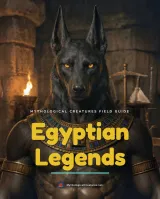
Egyptian Legends: A field guide to the gods and monsters of ancient Egypt
Guardians of the living and devourers of the dead, with the role each played in judgement.
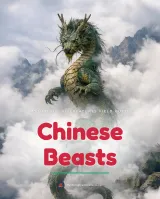
Chinese Beasts: A field guide to the dragons and demon kings of Chinese myth
From river dragons to demon kings, with the legends that shaped five thousand years of storytelling.
Japanese Yōkai: A field guide to the spirits and demons of Japanese folklore
Fifteen spirits, with the signs to watch for and what the old tales say to do if you meet one.
the legend in five swipes.
For serious myth projects
Feature your work alongside the legends
From academic works to story-rich games, we highlight projects that respect world mythologies. Talk to us about a measured, long-term placement.
Start a conversationQuick Creature Info
Origin:
Features:
Associations:
Our Mythic Legendary Rating:

Also Sometimes Known As:
Habitat:
Supernatural Powers:
Physical Attributes:
Abilities:
Behavior:
Lore:
Related Creatures, Tales or Lore
- EElves
- AAnito
- DDiwata
References
Discover Another Mythical Legend You May Not Have Heard Of?
Uncover the mysteries of ancient folklore and expand your knowledge of legendary beings from cultures around the world.
Dare to Meet the Drvaspa....
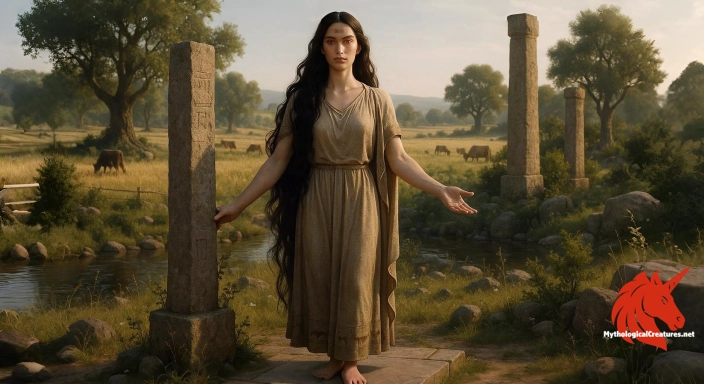
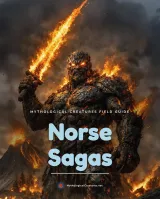
The Mythological Creatures Book Series
Yōkai, Greek, Norse, Egyptian & Chinese. Five illustrated field guides to the creatures the old stories either warned or told you about.
Curated by the Mythological Creatures Team
Series editor: Mythological Creatures Directory
Primary desk: Asian & Pacific Myth Cycles Desk
(rev. November 2025)