
Melisseus: Melisseus is a mythological figure from Greek mythology whose name means 'bee-man' or 'honey-man'.
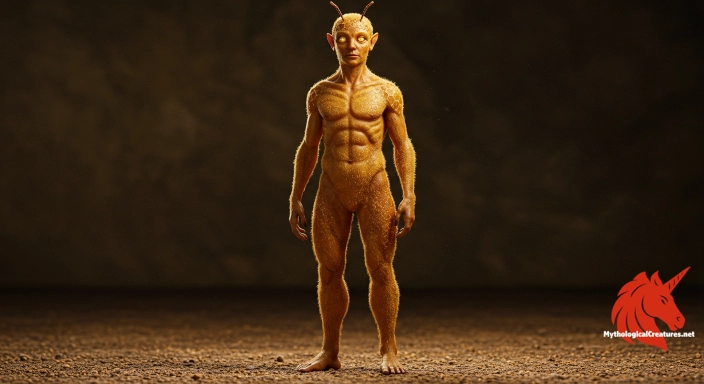
Melisseus
Melisseus - Melisseus is celebrated for his contributory role in the nurturing of Zeus and for symbolizing the bond between nature and divinity through his bee associations.
the legend in five swipes.
the legend in five swipes.
Melisseus: Where the Legend Started
Melisseus emerges in ancient Greek mythology as a striking figure whose very name evokes the sweetness of honey and the industrious essence of bees. Born into a tapestry of myth, his origins are as varied as they are symbolic, with traditions portraying him as a son of Gaia and Uranus, or alternatively as a descendant of Karystos, Socus, and Combe. His role in the legends of Crete is underscored by his connection to the nurturing of the young god Zeus, as his daughters—Adrasteia, Ida, Melissa, and Althaea—attended to the infant deity. The melding of human and bee-like attributes in his character suggests a deeper allegory about the natural world and its ceaseless abundance. In mythic narratives, Melisseus is more than just a progenitor; he embodies the harmony between nature and the divine. His association with the sweet and life-sustaining element of honey has rendered him a symbol of fertility and renewal. The dual aspects of his parentage and his contributions to the care of Zeus place him at a unique crossroads between mortal realms and divine providence. As a figure revered in numerous local cults, his myth invites contemplation of nature’s mysterious and nurturing qualities.
The Documented Accounts of Melisseus
Ancient literary fragments and oral traditions have preserved the enigmatic legacy of Melisseus across centuries, though his story is scattered among various accounts. Early Hellenic poets and playwrights hinted at his bee-associated identity, weaving his character into the broader tapestry of Greek myth. Some accounts, though fragmentary, recount his lineage and the nurturing responsibilities his daughters assumed during Zeus’ formative years. The differing genealogical details found in these texts highlight the evolving nature of myth where regional storytellers adapted his origins to suit local belief systems. In Cretan lore, narratives often integrate Melisseus as an emblem of the island’s timeless connection to nature and divine intervention. Later compilations and mythographical works have attempted to reconcile these variant traditions, thereby cementing his status as a bridge between primal nature and the Olympian order. While the primary sources do not constitute an exhaustive biography, they offer a multifaceted glimpse into his character and the symbolic motifs attached to him. The multiplicity of his story variants underscores the richness of Greek mythology, where every teller’s nuance adds layers to the mythic tradition.
Melisseus: What the Legends Describe
Iconography and poetic descriptions of Melisseus portray him as a being touched by both the human form and the enchantment of nature. His visage is often imagined with a radiant, honeyed complexion that seems to glisten with a natural luminescence. Artistic renditions hint at a subtle interplay of human features with elusive, almost ethereal, hints of bee-like characteristics, such as delicate, transient wings or patterns reminiscent of honeycombs subtly woven into his attire. His eyes are frequently depicted as deep and golden, reflecting an inner light akin to the first rays of dawn. In some portrayals, his hair flows in soft curls that mirror the gentle undulations of a bee swarm at work. His stature, while unmistakably human, exudes an aura of ancient wisdom and earthy strength that hints at his divine connections. The textures of his depiction suggest robustness softened by an inherent gentleness, an embodiment of the dual nature of creation. Every element of his appearance contributes to an overall impression of someone who is both a guardian of natural bounty and a harbinger of life’s sweetest energies.
Melisseus Across Different Regions
The myth of Melisseus is not confined to a single locale; rather, his story has traversed various regions across ancient Greece. In Crete, where the nurturing of Zeus is central to local lore, he is closely associated with the island’s agricultural abundance and the sacredness of bees. Mainland traditions sometimes embrace an alternative genealogy that aligns him with local heroes and chthonic deities, thereby integrating his legacy into regional identity. In areas such as Karystos, his name resonates with local topographical and cultural significance. Folk traditions have further diversified his image, often casting him as a venerable figure with deep ties to the land and its natural cycles. Variations in his myth reflect regional preferences for different aspects of his character, whether emphasising his nurturing role or his symbolic connection with honey and bees. Community rituals and local festivals have celebrated his memory with offerings of honey and celebratory bee dances. Such regional adaptations demonstrate how Melisseus has been woven into the fabric of local culture, maintaining a versatile presence in both sacred narratives and everyday life.
Is Melisseus unique, or found elsewhere?
When compared with similar mythological figures, Melisseus stands out due to his unique blend of human and natural elements. Several Indo-European traditions also feature deities and ancestral figures associated with bees, symbolising industry, fertility, and the sweetness of life. Like the Nordic figures connected with bees in their mythic past, Melisseus embodies the transformative power of nature as well as the nurturing aspects of the divine. His function as a progenitor, particularly in relation to the nurturing of a great god like Zeus, finds parallels in other cultures where maternal and paternal figures oversee the upbringing of divine heroes. Mythic representations of bee deities in Egyptian lore, for instance, illustrate the universal appeal of bees as symbols of resurrection and cosmic order. Such cross-cultural comparisons highlight the widespread notion that the humble bee holds secrets of creation and transformation. The character of Melisseus further invites comparisons with other ancient figures who personify natural forces, reinforcing the timeless motif of human-harmony with the natural world. In drawing these parallels, one appreciates how similar allegories evolve independently across diverse cultures, reflecting common themes in humanity’s engagement with nature.
Melisseus: The Modern Legacy
The legend of Melisseus has evolved considerably over the centuries, leaving an indelible mark on both ancient rituals and modern cultural expressions. Though his original myth may appear fragmented in early texts, subsequent retellings have enriched his image, imbuing him with layers of symbolic significance. In late antiquity and the Renaissance, artistic and literary works began to incorporate the imagery of Melisseus as a representation of nature’s bounty and the intricate cycles of life and renewal. Modern interpretations of his myth have extended his symbolic reach to encompass environmental stewardship and the celebration of biodiversity. His association with bees and honey has made him an inspirational figure in ecological art and literature, where he is revered as a guardian of natural harmony. Contemporary narratives often cast him in a role that resonates with themes of sustainability and the delicate balance between nature and civilisation. Exhibitions, literary anthologies, and digital media projects have all drawn upon his myth to explore the interplay between the natural world and human creativity. The evolution of his legacy demonstrates how ancient myth can be adapted to modern concerns while retaining its timeless resonance with the cycles of life and artifice.
Interesting Fact
Melisseus's variable parentage and bee-associated identity underscore the rich tapestry of Greek myth, where multiple traditions converge to celebrate a figure who bridges the realms of nature and divinity.
Mythological Treasures
Greek Myths: A field guide to the monsters of ancient Greece
Every monster here earned its place in legend, and each gets a full page of artwork and the story behind it.
Norse Sagas: A field guide to the beasts of the Viking world
Drawn from the saga accounts themselves, with the powers, weaknesses and doom of each being set out.
Egyptian Legends: A field guide to the gods and monsters of ancient Egypt
Guardians of the living and devourers of the dead, with the role each played in judgement.
the legend in five swipes.
Partner with Mythological Creatures
Bring your myth-based world into ours
From game settings to narrative worlds, we work with partners who treat myths with care. Share your project for a potential sponsor slot.
Partner with usQuick Creature Info
Origin:
Features:
Associations:
Our Mythic Legendary Rating:

Also Sometimes Known As:
Habitat:
Supernatural Powers:
Physical Attributes:
Abilities:
Behavior:
Lore:
Related Creatures, Tales or Lore
- AAristaeus
- MMellona
References
Discover Another Mythical Legend You May Not Have Heard Of?
Uncover the mysteries of ancient folklore and expand your knowledge of legendary beings from cultures around the world.
Dare to Meet the Ipy....
-17ea1c7c-7d82-4598-bed9-1b00445a7dae_small.webp "Depiction of Ipy")
The Mythological Creatures Book Series
Yokai, Greek, Norse, Egyptian & Chinese. Five illustrated field guides to the creatures the old stories either warned or told you about.

Curated by the Mythological Creatures Team
Series editor: Mythological Creatures Directory
Primary desk: Hellenic & Ancient Mediterranean Desk
(rev. November 2025)