
Minairó: Minairó are tiny, nearly invisible mythological beings from the Pyrenees, deeply rooted in Catalan and Basque folklore.
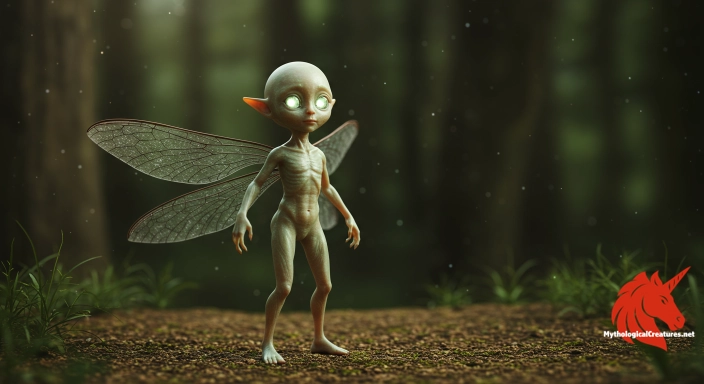
Minairó
Minairó - Their work explains sudden natural alterations and has been historically linked to the fortunes of local households.
Origins & First Encounters
Minairó are diminutive mythological beings woven into the rich tapestry of Pyrenean lore, celebrated across both Catalan and Basque traditions. Born out of enchanting narratives that juxtapose nature and human endeavour, these creatures are first recounted in tales centred on remote mountain villages. Their many names—such as manairó, menairó, diablorí in Catalonia and zaingorriak in the Basque country—reflect a diverse cultural imprint that spans several communities. A magical connection is attributed to a peculiar herb that bursts into bloom on the summer solstice, infusing the night with mystery and wonder. Many tales suggest that the very essence of these beings is captured within the minute seed or leaf of this enchanted plant, blurring the line between flora and fauna. Local legend recounts that thousands of these tiny beings can inhabit a small needle tube, symbolising both their minuscule scale and collective power. Intricate stories portray them as diligent workers whose accidental release can alter the landscape by accumulating stones into impressive scree formations. Over time, the myth has come to reflect the interplay between nature’s hidden forces and the daily lives of the mountain folk, enriching community identity. Historical accounts even associate the ownership of the magical cane that houses the Minairó with both noble families and notorious characters. These enduring narratives continue to inspire curiosity and keep alive a legacy that bridges ancient mystery with everyday tradition.
Source Texts & Tale Variants
The earliest accounts of the Minairó are firmly rooted in the oral traditions and village lore of the Pyrenees, with stories passed down through generations. Numerous local narratives recount their emergence from the mystical herb that appears only at a specific moment during the summer solstice. Varied versions of the tale detail the discovery of these tiny beings at the stroke of midnight on St John’s Day, underscoring the moment’s magical significance. In some renditions the creatures are described as barely visible swarms that evoke the appearance of mosquitoes, while other portrayals highlight a buzzing akin to that of bees. A recurrent motif involves the inadvertent release of the Minairó from a needle tube or cane, which then prompts a flurry of labor and mischief. Multiple accounts refer to amusing exchanges and exclamations, where the sudden appearance of these beings leads to humorous questions about their new-found freedom. The literature, collected from various Pyrenean villages, reveals at least two dominant story patterns—one involving a curious young man commanding the creatures and another featuring a robust labourer engaging their services. Some narratives even bring forth a memorable character, such as Marçal de Farrera, whose life is interwoven with the magical interventions of his tiny helpers. The diversity of these sources provides a mosaic of local perceptions and emphasises the fluidity of the myth over time. Each recorded variant adds a unique brushstroke to the collective portrait of the Minairó, ensuring that the legend remains a dynamic part of regional tradition.
Form & Powers
Descriptions of the Minairó vary widely, yet they consistently underscore the creatures’ diminutive size and elusive nature. Many narratives depict them as nearly microscopic beings, small enough that a single needle tube can house thousands of individuals. Some accounts evoke the image of a swarm of tiny insects, where their number is as impressive as the subtle buzzing sound they generate when stirred. There are variations in how their mobility is described, with debates over whether they possess the ability to fly or move with a quick, darting motion reminiscent of mosquitoes. In certain portrayals, their bodies are imagined as delicate and ethereal, often with a faint luminescence that gives them a mysterious glow under the moonlight. The interplay of light and shadow in artistic renditions further accentuates their delicacy and almost fairy-like presence. While some storytellers compare them to busy bees due to their characteristic buzzing and industrious activity, others emphasize a ghostly invisibility that renders them almost imperceptible to the human eye. Variability in size is also a common theme, with local legends suggesting that their form may shift, reflecting the transformative nature of their myth. Such diverse physical descriptions encapsulate a being that is both tangible in its minute details and enigmatic in its overall presence. This rich imagery not only enhances their mythic allure but also underscores the symbolic importance of the unseen forces at work in nature.
Regional Faces
Across the varied landscapes of the Pyrenees, regional interpretations of the Minairó bring forth a fascinating array of local colour and tradition. In Catalonia, these beings are known by several names including minairó, manairó, menairó, and diablorí, each variation reflecting subtle differences in character and folklore. In the Basque country, they are referred to as zaingorriak, showcasing linguistic diversity and the unique cultural atmospheres of the area. Regional retellings often couple these names with distinctive rituals and natural phenomena, such as the blooming of the perforate St John’s-wort in deep, hidden caves. Some local tales imbue the Minairó with roles that extend beyond mischievous labourers to being integral to the very fabric of community life, influencing agricultural practices and even the design of local architecture. In isolated mountain villages, the myth adapts to incorporate the practical realities and challenges of rural existence, highlighting how these tiny beings might work in tandem with human efforts. Variations in their depiction—ranging from undetectable swarms to audible, buzzing aides—reveal the layers of meaning different communities have invested in them. The local heritage of certain noble houses, whose fortunes were once intertwined with the magical cane that housed these beings, further enriches the regional narrative. By embracing both benevolent and capricious elements, these regional variations attest to the adaptability and enduring appeal of the Minairó myth. Such local adaptations ensure that the legend remains both a shared communal memory and a distinct regional treasure within the Pyrenean expanse.
Cultural Parallels
When compared with other European mythological entities, the Minairó stand out as a captivating example of tiny, industrious fae that blur the line between nature and magic. They share several traits with small elves and pixies found in broader folklore traditions, particularly in their close association with natural elements and seasonal phenomena. Similar to the household spirits of British or Scandinavian legends, the Minairó are often portrayed as diligent, albeit mischievous, helpers who subtly influence human endeavours. While many traditional fae are depicted with more defined physical elegance or elaborate attire, the Minairó are instead characterised by their almost insect-like diminutiveness and dynamic presence. Their association with a magical herb and the precise moment of the summer solstice provides them with a distinct mythological niche that sets them apart. Many European cultures celebrate small, nature-bound beings who assist with farming and domestic tasks, much like the brownies and tomte, yet the Minairó possess a uniquely local flavour through their connection to the Pyrenean landscape. The auditory imagery associated with their buzzing, reminiscent of bees, links them to other mythic beings whose very sound becomes a part of their lore. Cross-cultural comparisons reveal that while similar in function, each of these beings embodies the particular ecological and social contexts of their regions. The richness of these interwoven myths highlights universal themes of human interaction with the natural world, celebrated in various forms across Europe. This comparative perspective not only enhances our understanding of the Minairó but also situates them within a broader continuum of enchanted creatures that have long enchanted folk from diverse cultures.
Legacy & Modern Evolution
The evolution of the Minairó myth mirrors the broader shifts in cultural perceptions of nature and the interplay of magic with everyday life. Initially emerging as ethereal, barely visible beings linked to the sacred timings of the summer solstice, they were once integral to local explanations of natural phenomena. Over time, as folklore was transmitted orally and later documented in regional accounts, their image has undergone subtle transformations to include traits that resonate with modern sensibilities. The original association with a mysterious herb and the magical cane has gradually evolved into symbolic representations of hidden labour and nature’s unseen workings. In contemporary settings, these tiny beings have found a new life in literature, art, and local festivals, serving as emblems of environmental connection and cultural identity. Modern reinterpretations often draw parallels with other small fae in the fairy tale tradition, blending ancient myth with current ecological narratives. Their enduring appeal is evidenced by the persistent reminiscences shared by older generations, who recall the magical interventions of these diligent entities. The Minairó also represent a bridge between the past and the present, inspiring creative reimaginings that emphasise community, heritage, and the subtle magic of natural forces. As society continues to embrace and re-evaluate folklore, the Minairó myth remains a vital touchstone, inviting both scholarly interest and popular wonder. This lasting legacy ensures that these minuscule mythical workers continue to enrich the cultural landscape, affirming their place in the ongoing dialogue between history and modernity.
Interesting Fact
An intriguing aspect of the Minairó is their origin from a flowering plant, blurring the lines between botany and mythology, while their collective labour has left a lasting impact on the Pyrenean landscape.
Sponsor this space
Tasteful, fixed-fee placements for myth projects
No bidding wars or flashing banners. We offer simple placements for a small set of creators and brands aligned with our readers.
Request further detailsQuick Creature Info
Features:
Our Mythic Legendary Rating:

Also Sometimes Known As:
Habitat:
Supernatural Powers:
Physical Attributes:
Abilities:
Behavior:
Lore:
References
Discover Another Mythical Legend You May Not Have Heard Of?
Uncover the mysteries of ancient folklore and expand your knowledge of legendary beings from cultures around the world.
Dare to Meet the Yuenü....
Curated by the Mythological Creatures Team
Series editor: Mythological Creatures Directory
Primary desk: Hellenic & Ancient Mediterranean Desk
(rev. November 2025)