
Moneta: Moneta is the Roman goddess of memory, associated with the act of reminding and instructing.
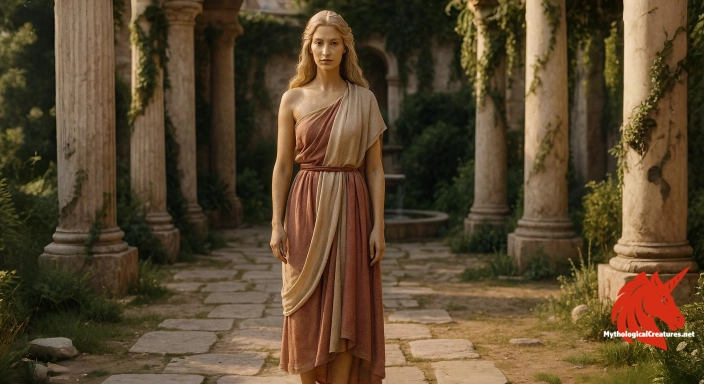
Moneta
Moneta - Central to the cult of memory and the etymological root for 'money'.
Origins & First Encounters
Moneta emerges as a fascinating embodiment of memory in the Roman pantheon, intricately intertwined with the cultural reverence for remembrance and wisdom. Her title, derived from the Latin verb monēre, encapsulates the essence of instructing and reminding, which resonated deeply with ancient notions of learning and tradition. Her origins are steeped in the confluence of Roman beliefs and Greek religious influence, particularly echoing the legacy of Mnemosyne. Early literary attestations signal her significant role as a divine mentor whose guidance was celebrated in rituals and storytelling. The fragments of texts from antiquity hint at a goddess who was both a keeper of memories and a source of enlightenment. As a distinct figure in the mythological narrative, she symbolised the preservation of knowledge for future generations. Her presence in the pantheon underscores a broader cultural commitment to the transmission of wisdom and tradition across time. The lasting resonance of her name continues to inspire interpretations of memory as a sacred and transformative power.
Source Texts & Tale Variants
Ancient literary fragments serve as the primary window into the myth of Moneta, offering glimpses into her revered role in early Roman society. One of the most notable sources is a fragment from Livius Andronicus’ Latin Odyssey, where her divine attributes are succinctly captured. The textual remnants indicate that her teachings were integral in fostering a culture oriented toward memory and learning. Despite the scarcity of comprehensive narratives, these sources suggest that Moneta’s role was dynamically interlaced with other divine figures, particularly through her association with Greek Mnemosyne. Variants of her story emerge in different regions, where the emphasis ranges from her instructive function to her guardianship over historical continuity. Other fragmented texts and ritual inscriptions hint at an elevated status that was woven into both public ceremonies and private devotions. The multiplicity of accounts leaves ample room for interpretative diversity, inviting modern scholars to piece together her complex legacy. Over the centuries, the evolving textual traditions have only deepened the intrigue surrounding her myth, ensuring that her story remains a vibrant subject for reinterpretation.
Form & Powers
The visual representation of Moneta, though not as abundantly recorded as that of other deities, carries a refined elegance that exudes both wisdom and gentle authority. Classical iconography, influenced by her Greek counterpart Mnemosyne, often depicts her with a calm and reflective visage, where soft, contemplative eyes suggest the depth of remembered histories. She is frequently portrayed holding symbols that evoke memory, such as scrolls or inscriptions, which reinforce her role as the custodian of knowledge. Artists have captured her in flowing garments adorned with intricate designs that echo the delicate script of ancient texts. Her overall appearance is marked by graceful composure and a dignified posture, reflecting the timeless quality of recollection. Variations in her portrayal, including subtle shifts in attire and scale, highlight how different cultural centres adapted her image to resonate with local aesthetic ideals. Even in the scarce surviving artworks, the emphasis is on the serene mastery of memory, with each detail meticulously crafted to embody her spiritual mission. This delicate blend of symbolism and artistic nuance continues to fuel modern artistic interpretations of her mysterious presence.
Regional Faces
Moneta’s myth underwent intriguing regional transformations as her worship extended across varied geographies within the Roman realm. In some local traditions, she was celebrated specifically as the guardian of historical record and the custodian of sacred lore, reflecting a pronounced focus on the art of remembrance. The fluid boundaries of myth allowed communities to interlace her attributes with local deities, resulting in a rich tapestry of overlapping cultic practices. In certain regions, her identity was enhanced by merging with civic and military symbols, where memory was seen as a safeguard and a motivational force. Local adaptations sometimes emphasised her role in both public ceremonies and domestic rites, underscoring the universality of her attributes while accommodating regional peculiarities. The adaptation of her iconography in various local artistic traditions often depicted her with distinctive motifs that resonated with indigenous cultural narratives. These regional variations not only enriched her myth but also enabled her to serve as a unifying figure in diverse communal settings. Consequently, while the essence of Moneta as the embodiment of memory remained constant, her outward expression evolved, mirroring the unique priorities and aesthetics of each locality.
Cultural Parallels
An exploration of Moneta’s myth reveals numerous cultural parallels that underscore her universal appeal as a symbol of remembrance. Her direct identification with the Greek goddess Mnemosyne highlights a clear cross-cultural dialogue between Roman and Greek mythologies. In comparative studies, she is often set alongside figures such as the Muses, whose dominion over artistic inspiration complements the concept of memory. Similar thematic elements are found in other ancient narratives, where deities and spirits safeguard historical truths and guide the transmission of wisdom. Parallel figures in various mythologies, whether in the artistic portrayals of the Norse or the symbolic traditions of the Egyptians, often reinforce the notion of memory as a divine attribute. Moneta’s synthesis of attributes across traditions provides insight into the common human desire to preserve and honour the past. The way in which different cultures adapted her image is reflective of a broader, shared reverence for the processes of teaching and mentoring through memories. This comparative lens enriches our appreciation of how fundamental the interplay between memory and divine guidance has been in shaping human cultural evolution.
Legacy & Modern Evolution
Over the centuries, the image and symbolism of Moneta have evolved considerably, merging ancient myth with modern cultural narratives. In the later periods of Roman history, her attributes began to intersect with civic ideologies, influencing not only religious practices but also artistic and civic expressions, as seen in the early coinage where her name subtly underpins the concept of money. This transformation reflects a broader trend in which ancient deities were continually reinterpreted to embody contemporary ideals and societal values. Modern scholarship has revived interest in her role, considering her a personification of cultural memory and a reminder of the importance of preserving history. Literary and artistic endeavours often evoke her image to symbolise the endurance of sacred knowledge in the face of time’s passage. Contemporary cultural discussions benefit from her myth by drawing parallels between the ancient emphasis on memory and modern understandings of heritage and identity. The enduring legacy of Moneta, with its multifaceted layers of symbolism, bridges the gap between antiquity and the present. In this way, her myth continues to inspire new generations, encouraging a reflective dialogue on the interplay between memory, identity, and societal progress.
Interesting Fact
An interesting fact about Moneta is that her association with coinage is the root of the modern word 'money', linking divine memory to economic systems.
Quick Creature Info
Associations:
Our Mythic Legendary Rating:

Habitat:
Supernatural Powers:
Abilities:
Behavior:
Lore:
Related Creatures, Tales or Lore
- MMnemosyne
- SSeshat
- MMimir
References
Discover Another Mythical Legend You May Not Have Heard Of?
Uncover the mysteries of ancient folklore and expand your knowledge of legendary beings from cultures around the world.
Dare to Meet the Bal-Bal....

Curated by the Mythological Creatures Team (rev. May 2025)