
Muldjewangk: The Muldjewangk is a legendary water creature from Ngarrindjeri mythology, inhabiting the Murray River system, particularly around Lake Alexandrina.
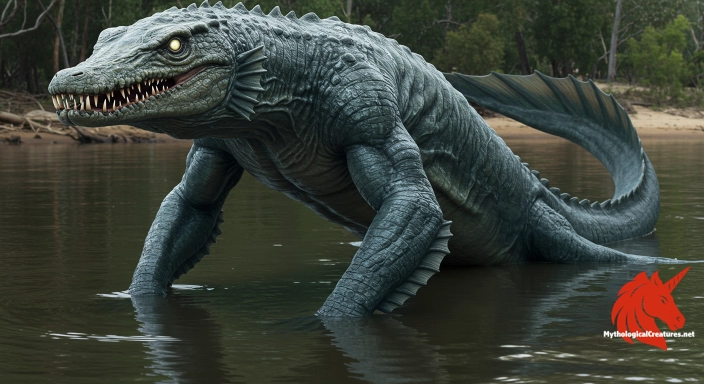
Muldjewangk
Muldjewangk - Serves as a mythological warning to deter dangerous behavior near waterways and to explain mysterious misfortunes among outsiders.
the legend in five swipes.
the legend in five swipes.
Where does the story of the Muldjewangk begin?
The Muldjewangk is a fascinating and ambiguous water creature deeply interwoven with the cultural fabric of the Ngarrindjeri people. Its origins lie in the ancient spiritual landscape of the Murray River region, where natural feature and myth merge to form a powerful narrative. The being has been transmitted through generations as both a symbol of danger and a keeper of sacred natural laws. Its early attestations reveal a dual nature, oscillating between benevolent guardianship and a menacing force meant to instil caution. The creature is often cited in stories told to deter young ones from venturing too close to the riverbanks under the cloak of night. Local lore describes it as embodying the capricious moods of water itself, sometimes appearing as malevolent merfolk and at other times as a colossal, monstrous presence. This fluid identity made it an ideal figure for conveying lessons about respect, danger, and the unpredictable power of nature. Over time, its legend has absorbed the influences of both indigenous spirituality and the changing landscape of its riverine habitat, ensuring that the tale remains dynamic and relevant.
Which texts first mention the Muldjewangk?
The traditional narratives of the Muldjewangk have been preserved predominantly through the oral traditions of the Ngarrindjeri community. Various indigenous elders recount vivid stories that have been handed down during community gatherings, ensuring that each generation receives a piece of the ancient lore. Among these tales, one of the most striking describes the creature’s terrifying assault on a European steamboat, an account that imbues the legend with a dramatic historical layer. Diverse accounts often paint the Muldjewangk as either a solitary being of immense power or one of many entities inhabiting the watery realms. Such discrepancies in storytelling illustrate the fluid nature of myth, where different versions coexist and are each valued for their symbolic contributions. Some storytellers focus on the creature’s physical transformations while others emphasise its supernatural interventions in everyday life. These multifaceted narratives serve not only as entertainment but also as cautionary tales imbued with moral and cultural significance. The melding of historical incidents with mythic attributes reflects a broader indigenous practice of using narrative to interpret and react to external influences, while preserving an intricate web of cultural identity and collective memory.
How would you recognise the Muldjewangk?
Descriptions of the Muldjewangk vary widely, yet they consistently evoke an image both formidable and enigmatic. In some tellings, it is portrayed as an enormous merfolk with luminous, scaled skin that shimmers in the moonlit waters. The creature is sometimes depicted as a shape-shifter, with a form that morphs seamlessly between human-like intelligence and bestial, aquatic terror. Notably, legends recount the stark image of gigantic hands emerging from the depths to grasp the hulls of boats, symbolising its raw, almost elemental, strength. There are also accounts that mention its cold, penetrating eyes that seem to reflect the turbulent spirit of the river. Many descriptions include hints of elongated limbs and sinuous bodies that give it a graceful yet unnerving presence. The variation in size—from shadowy, elusive figures to towering monstrosities—adds to the creature’s mysterious aura. Elements such as the clumps of seaweed that conceal its approach and the large, enigmatic footprints found along the banks serve to heighten its mythic physicality. This collection of physical traits, though inconsistent, underlines the hybrid nature of Muldjewangk as both a natural and supernatural phenomenon.
What regional forms of the Muldjewangk exist?
Regional renditions of the Muldjewangk myth underscore its remarkable adaptability to varying local cultures and environments. Within the Murray River basin and particularly near Lake Alexandrina, the creature is tailored in narrative to reflect the nuances of the local landscape and community customs. In some localities, the legend is presented as a solitary phantom whose singular presence casts long shadows over specific stretches of the river, whereas in other regions, the myth extends to a family of water spirits sharing similar traits. Variations in the geography, such as the abundance of floating seaweed or the distinctive river patterns, have played a key role in colouring the creature’s appearance and behaviour in regional retellings. Local elders have integrated environmental cues into their versions, thus making the myth a living commentary on the seasonal changes and natural hazards of the area. Elements of the legend have also been reshaped to address modern concerns, such as the impact of human activity along the riverbanks. These regional adaptations allow the myth to remain deeply embedded in the local consciousness, varying subtly from one community to the next. Ultimately, the diverse portrayals of the Muldjewangk across different regions highlight how mythology serves as a mirror to the local environment, reflecting a continuous dialogue between nature and cultural identity.
What figures resemble the Muldjewangk?
When juxtaposed with similar water-bound entities from various mythological traditions, the Muldjewangk reveals both unique indigenous characteristics and universal themes. The creature’s dual nature—combining elements of seduction and menace—resonates with other mythic figures such as the captivating yet perilous European mermaids. Its startling physical features, notably the enormous hands and the elusive, shifting form, invite comparison with legendary water monsters found in many cultures. In the realm of comparative mythology, the creature's fluid identity echoes that of other water spirits which simultaneously embody life-giving forces and the destructive power of nature. The use of such mythic beings as cautionary figures is a recurring motif across world folklore, reflecting the human need to impose order and moral lessons on the unpredictable natural world. There is also an inherent dialogue between the Muldjewangk and comparable indigenous water deities from nearby regions, each tailored to local experiences and environmental challenges. This interplay of shared characteristics underscores a broader human tendency to personify and mythologise the mystery of water. The parallels drawn with other mythic entities provide a rich canvas for exploring how different cultures conceptualise risk, beauty, and the sublime aspects of their natural surroundings. Such cross-cultural comparisons not only enrich our understanding of the Muldjewangk but also highlight the collective human endeavour to explain and revere the forces of nature.
Why does the Muldjewangk still matter?
The legacy of the Muldjewangk myth is a testament to its enduring power and its capacity to evolve alongside cultural and environmental transformations. Its early role as a cautionary figure for children has expanded into a broader symbol of the mysterious and sometimes volatile relationship between people and water. Over the years, depictions of the creature have shifted, absorbing influences from historical encounters, such as the noted attack on a European steamboat, into a complex narrative that bridges the past with contemporary sensibilities. This evolution reflects an ongoing dialogue between traditional lore and modern life, where the creature now signifies the consequences of human interference with natural ecosystems. In a changing world, the myth is frequently reinterpreted as a call for environmental stewardship, urging respect for the natural world much like the ancient warnings once issued to wary river-bound communities. The Muldjewangk has also found its way into modern artistic expressions, inspiring literature, visual art, and even community conservation projects. Contemporary storytellers and cultural custodians are reimagining the creature’s narrative to address current social and environmental challenges while preserving its ancient symbolic power. As elders and young community members come together to keep these traditions alive, the myth serves as both a bridge to ancestral wisdom and a mirror reflecting modern aspirations. With its rich tapestry of meanings, the Muldjewangk continues to captivate imaginations and inform cultural identity in a variety of contexts. Its ongoing evolution exemplifies the living nature of myth, ensuring that the ancient spirit remains relevant in the present day.
Interesting Fact
Its inconsistent portrayal as both a malevolent merfolk and a colossal monster highlights the dynamic nature of oral tradition in Ngarrindjeri culture, reinforcing its role as a culturally significant cautionary figure.
Mythological Treasures
Japanese Yokai: A field guide to the spirits and demons of Japanese folklore
Fifteen spirits, with the signs to watch for and what the old tales say to do if you meet one.
Greek Myths: A field guide to the monsters of ancient Greece
Every monster here earned its place in legend, and each gets a full page of artwork and the story behind it.
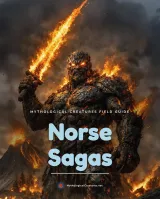
Norse Sagas: A field guide to the beasts of the Viking world
Drawn from the saga accounts themselves, with the powers, weaknesses and doom of each being set out.
the legend in five swipes.
Reach myth fans
Connect your myth-driven brand with this audience
Our readers are writers, educators, gamers, and collectors who care about mythology. Enquire about a limited sponsor placement on creature pages.
Enquire about sponsorshipQuick Creature Info
Origin:
Features:
Associations:
Our Mythic Legendary Rating:

Also Sometimes Known As:
Habitat:
Supernatural Powers:
Physical Attributes:
Abilities:
Behavior:
Lore:
Related Creatures, Tales or Lore
- BBunyip
- YYara-ma-yha-who
- SSiren
References
Discover Another Mythical Legend You May Not Have Heard Of?
Uncover the mysteries of ancient folklore and expand your knowledge of legendary beings from cultures around the world.
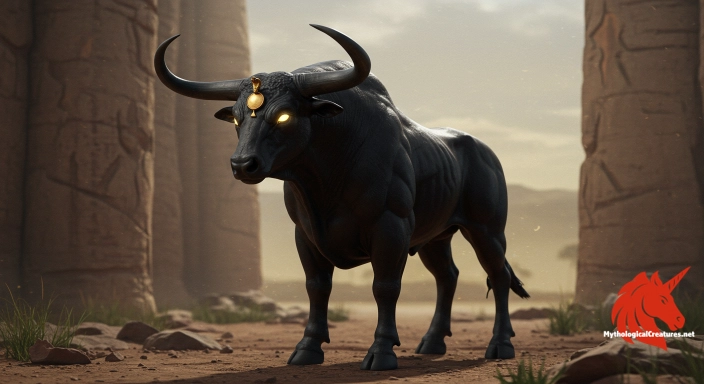
Dare to Meet the Mnevis....
The Mythological Creatures Book Series
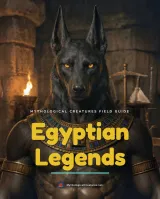
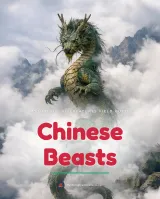
Yokai, Greek, Norse, Egyptian & Chinese. Five illustrated field guides to the creatures the old stories either warned or told you about.
Curated by the Mythological Creatures Team
Series editor: Mythological Creatures Directory
Primary desk: Asian & Pacific Myth Cycles Desk
(rev. November 2025)