
Muu shuvuu: Muu shuvuu is a mythological bird from Turkic and Mongol traditions that appears as a young girl with a concealed, sharp beak.
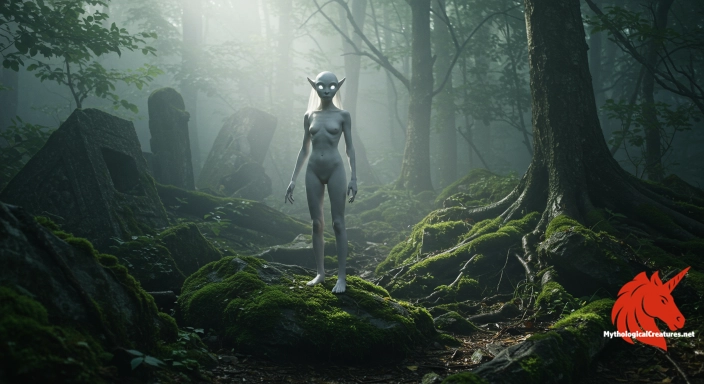
Muu shuvuu
Muu shuvuu - Symbolises the consequences of violent or untimely death and the importance of proper funeral rites.
Origins & First Encounters
Muu shuvuu is a mythological creature whose legend is deeply intertwined with the traditions of Turkic and Mongolian cultures and the ancient spiritual framework of Tengrism. It is said to appear in the guise of a young girl whose gentle looks mask a perilous nature. The creature’s very name, meaning 'harmful bird', hints at its dual existence as both a delicate spirit and a dangerous predator. Born from the tragic and violent death of a young girl, its emergence is surrounded by mystery and sorrow. Folklore recounts that when a girl dies under such untimely conditions, her soul may transform into this ominous entity. This transformation, often marked by a sense of incompleteness and unrest, reflects the cultural emphasis on proper rites and respectful mourning. The story of Muu shuvuu resonates as a poignant reminder of how a life cut short can harbour unforeseen darkness. Travellers and solitary hunters are cautioned by age-old narratives of its sinister encounters along remote paths. The legend is rich with symbolism, underscoring the delicate boundary between innocence and corruption. Overall, the myth of Muu shuvuu provides a haunting exploration of the consequences of premature loss and the lingering power of unresolved fate.
Source Texts & Tale Variants
Ancient oral traditions and fragmented texts across the Eurasian steppes offer a wealth of detail about the Muu shuvuu. Narratives preserved among the Oirat, Buryat, and other Mongolic peoples recount its origins with lyrical yet ominous language. Variants of the story emerge in different communities, each adding subtle nuances to its transformational process. Some versions describe the spirit’s creation following an accidental or violent demise, while others recount that deliberate actions, such as a father placing a flint in his deceased daughter’s hand, can instil the curse. The creature is featured in numerous folk ballads and ritual recitations, reflecting its status as both a warning and a subject of haunting fascination. Despite the diversity of these accounts, all versions underscore the inevitability of fate and the profound impact of untimely death. The interplay of oral and later written traditions has ensured that the myth remains both enigmatic and mutable. Many narratives intertwine moral lessons with natural and supernatural motifs, thus enhancing its cultural depth. Over centuries, these disparate sources have converged to form a complex tapestry that reveals much about ancient perceptions of life, death, and the spirit world. In essence, the primary sources for Muu shuvuu are as much a compendium of moral parables as they are records of an enduring myth.
Form & Powers
The Muu shuvuu is depicted as a spectral figure that deceptively resembles a cherubic young girl, yet its appearance is punctuated by a distinctly sinister feature. At the centre of its abnormality is a sharp, hooked beak that disrupts the delicate facade of youthful innocence. This beak, often described as gleaming with an otherworldly light, serves as a grim instrument for drawing out the blood of those who stray too close. In many accounts, the creature is observed attempting to conceal its gruesome attribute—either by draping a tattered veil over it or by discreetly hiding it behind its slender hands. Its eyes are frequently portrayed as pools of cold intensity, betraying an inner void that speaks to its cursed existence. Descriptions of its skin vary from ghostly pallor to a nearly translucent quality, enhancing the sense of ethereal decay. There are also occasional references to slight distortions in its human form, with elongated limbs and a fragile posture that seem incongruous with its deadly purpose. Variations in size are noted as well, with some traditions suggesting a diminutive form while other accounts accentuate an imposing presence in moments of predation. The intricate details of its appearance serve as a constant reminder of the precarious balance between beauty and horror. Overall, the physical depiction of Muu shuvuu is a masterful blend of human vulnerability and supernatural menace.
Regional Faces
The portrayal of Muu shuvuu exhibits notable regional variations that speak to the rich mosaic of Eurasian folklore. In Turkic traditions, the creature is often imbued with a heightened sense of malevolence, serving as a stark emblem of retribution against those who wander carelessly. Mongolian accounts, by contrast, tend to emphasise the ephemeral beauty and tragic sorrow inherent in its form, reflecting a deep cultural reverence for the natural cycle of life and death. Among the Buryat and Oirat communities, legends sometimes portray the spirit as a guardian of sacred spaces, blurring the line between malediction and a protective force. Local anecdotes may detail subtle alterations in its appearance, such as variations in the prominence of its beak or the delicacy of its disguise. In some remote landscapes, environmental factors and the harshness of nature are interwoven into the myth, adding an extra layer of foreboding to the creature’s presence. Ritual practices in certain regions even endeavour to appease the restless soul, highlighting its importance within local spiritual frameworks. Community-specific narratives enrich the overall legend, ensuring that while the core attributes remain, each retelling carries its own unique cultural stamp. These regional adaptations illustrate the fluidity of myth-making and the enduring fascination with transformation and retribution. Ultimately, Muu shuvuu stands as a testament to the diverse ways in which human societies interpret loss, beauty, and the realms beyond.
Cultural Parallels
The figure of Muu shuvuu invites compelling comparisons with similar entities found in a variety of mythological traditions across the world. Its haunting duality—a beguiling beauty masking a dangerous, bloodthirsty nature—resonates with tales of female spirits and vampiric entities from distant cultures. For instance, parallels can be drawn with the Japanese Yuki-onna, a spectral woman whose icy demeanour belies an underlying capacity for lethal harm. Likewise, European legends of lamia and succubi echo the motif of a deceptive female guise used to lure and devour unsuspecting victims. These cross-cultural manifestations underscore a universal fascination with the transformation of innocent beauty into a deadly, otherworldly force. Moreover, the nocturnal predation and mystical origins of Muu shuvuu find echoes in Central Asian and Middle Eastern lore, where supernatural figures often serve as moral arbiters in the natural order. The shared themes—of tragic death, retribution, and the haunted interplay between life and death—bridge disparate mythological landscapes. Such comparative narratives not only enrich the understanding of Muu shuvuu but also highlight the broader human tendency to personify the darker aspects of mortality. Across these varied traditions, the convergence of aesthetics, malevolence, and the ineffable nature of the spirit realm becomes a common poetic language. In this way, the myth of Muu shuvuu is both a unique cultural artefact and part of a grander, interconnected tapestry of global folklore.
Legacy & Modern Evolution
Over the centuries, the legend of Muu shuvuu has undergone a profound transformation, adapting to both historical shifts and modern sensibilities. Initially emerging from oral traditions and ritualistic narratives, the myth served as a chilling reminder of the repercussions of untimely and violent death. In earlier times, its vivid portrayal was used to instil a deep respect for the rites of passage surrounding life and death. With the advent of modern media and literature, the creature has been reimagined in diverse artistic forms, ranging from haunting visual art to evocative cinematic portrayals. Contemporary interpretations often explore its inherently tragic nature, presenting Muu shuvuu as a symbol of lost youth and the enduring scars of unresolved grief. Modern storytellers tend to emphasise the emotional and psychological complexities behind its cursed transformation, thereby shifting the focus from mere terror to a reflection on the human condition. The evolution of its depiction mirrors broader cultural transformations, where once stark folklore is reinterpreted through the lens of modern existential reflections. This reimagining has allowed the creature to remain relevant, serving as both a cautionary emblem and an artistic muse. Throughout its historical journey, Muu shuvuu continues to spark debates about the nature of retribution, the boundaries of beauty and horror, and the interplay between myth and memory. Ultimately, its legacy endures as a potent reminder of how ancient fears can be continually reshaped to mirror contemporary anxieties and aspirations.
Interesting Fact
Muu shuvuu uniquely merges the avian form with the tragic visage of a young girl, embodying both beauty and horror in its existence.
Mythology-aligned partners
Showcase your myth-friendly brand here
Run a store, studio, or platform that lives in the world of myth and folklore? A curated sponsor panel on these pages may fit.
Explore partnership optionsQuick Creature Info
Origin:
Features:
Associations:
Our Mythic Legendary Rating:

Also Sometimes Known As:
Habitat:
Supernatural Powers:
Physical Attributes:
Abilities:
Behavior:
Weaknesses:
Lore:
Related Creatures, Tales or Lore
- PPontianak
- PPenanggalan
- SSirens
References
Discover Another Mythical Legend You May Not Have Heard Of?
Uncover the mysteries of ancient folklore and expand your knowledge of legendary beings from cultures around the world.
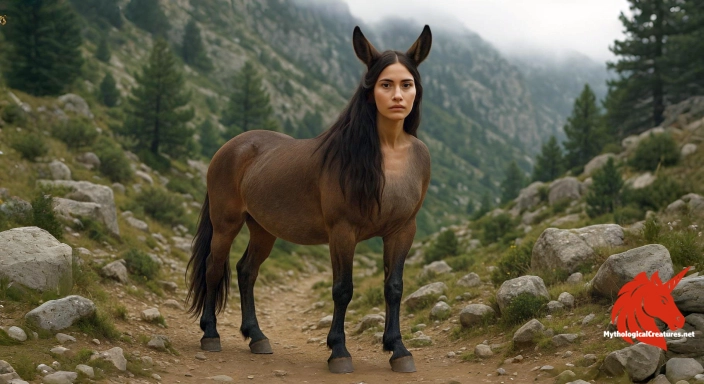
Dare to Meet the Muladona....
Curated by the Mythological Creatures Team
Series editor: Mythological Creatures Directory
Primary desk: Asian & Pacific Myth Cycles Desk
(rev. November 2025)