
Myiagros: Myiagros is an ancient Greek divine figure known as 'He Who Chases the Flies', venerated for his role in warding off flies during sacrificial rituals.
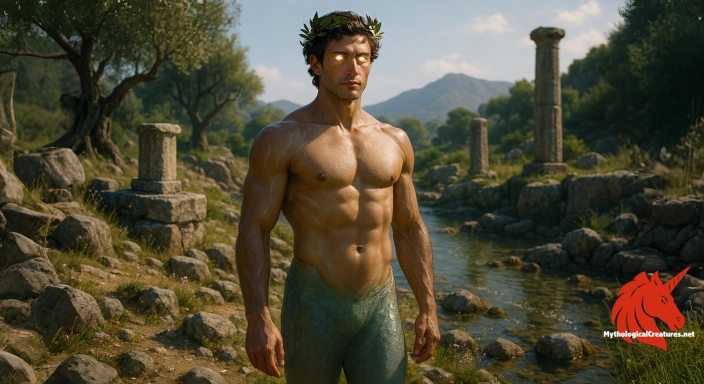
Myiagros
Myiagros - Myiagros was venerated to ensure the sanctity of sacrifices by driving away harmful flies, reflecting the integration of practical concerns with religious practice.
The Origin Story of Myiagros
Myiagros stands as a unique cult title in ancient Greek religion, its name meaning 'He Who Chases the Flies' and evoking the intriguing intersection between the divine and the practical. Myiagros was recognised both as a heroic figure and a divinity, reflecting a dual status that resonated deeply with local worshippers. His early attestation is linked to Arcadia, where rituals were designed to ensure the purity of sacrificial offerings. The figure was central to preliminary rites intended to ward off the disruptive presence of flies during animal sacrifices. Local communities trusted that invoking Myiagros would shield the sanctity of their rituals from nature’s intrusions. His role highlights how religious practices were often adapted to address everyday challenges through divine intervention. The evolving identity of Myiagros underscores how the ancient Greeks blended pragmatic concerns with profound symbolic meaning in their ceremonies. His worship, rooted in regional tradition, speaks to a broader cultural quest for harmony between natural phenomena and spiritual well‐being.
How did the story of Myiagros change over time?
Ancient texts provide a fascinating glimpse into the multifaceted worship of Myiagros. Pausanias recounts his character as a divinised mortal who received offerings before the main sacrifices made to deities such as Athene, underscoring his role in protecting the ritual process. Aelian presents an intriguing variant, noting that the preparatory sacrifice was directed even to the flies themselves. Such literary sources reveal that local traditions in Arcadia, Elis, and Akarnania each embraced unique interpretations of the cult. In Elis, for instance, the rituals sometimes merged his identity with that of a Zeus known for driving away flies, enhancing the protective motif. Moreover, narratives associated with well-known figures like Herakles illustrate the practical challenges faced during sacrificial rites and the measures taken to overcome them. Pliny further confirms that when pestilent flocks threatened animal sacrifices, invoking Myiagros resulted in the immediate demise of the flies. Together, these diverse sources weave a rich tapestry of ritual practice and mythic adaptation surrounding the figure of Myiagros.
What was Myiagros believed to be capable of?
Descriptions of Myiagros offer few fixed details, leaving much to the realm of interpretative reconstruction. While no standard iconography survives, local artistic representations may have imbued him with a striking blend of human vigour and subtle divine grace. Visual impressions suggest that he might have been portrayed with alert, penetrating eyes and a countenance that conveyed readiness to confront and dispel disturbances. It is possible that depictions included modest regalia or a simple staff, symbolising his role as a guardian of sacrificial rites. His physique, imagined as lithe and agile, would have been fitting for a figure charged with the swift mitigation of pestilence. Some interpretations hint at attributes reminiscent of flight or movement, aligning with the very essence of chasing away flies. Even in the absence of a canonical image, the imaginative reconstruction of his form bridges the gap between mortal and divine qualities. Such speculative depictions continue to inspire insights into the subtle interplay of form and function in ancient ritual iconography.
What regional forms of Myiagros exist?
The cult and worship of Myiagros reveal striking regional variations that underscore local religious innovations. In Arcadia, his veneration centred on a divinised mortal persona who was honoured with preliminary offerings before grander sacrificial events. In Elis, the rituals often interwove his identity with aspects of Zeus under an epithet that conveyed the act of shooing flies, a reflection of local interpretative traditions. Akarnanian rites similarly featured preliminary sacrifices designed to neutralise the disruptive effects of flies, thereby tailoring the deity’s role to community needs. At Leucas, the integration of his cult with the veneration of Apollo highlights how regional religious landscapes adapted broader mythic themes. These variations allowed communities to address practical ritual concerns in ways that resonated with their environmental and social realities. The local adaptations of Myiagros demonstrate a fluid approach to myth-making, where a single divine attribute could be moulded to serve diverse sacrificial imperatives. Overall, the regional diversity in his worship stands as a testament to the dynamic interplay between local traditions and shared religious ideals across ancient Greece.
Which myths echo the story of Myiagros?
The thematic essence of Myiagros invites comparisons with other mythological figures charged with protecting sacred spaces. His role in dispelling pests aligns with cross-cultural motifs where deities safeguard ritual integrity and communal well‐being. There is a noticeable parallel with later interpretations of Beelzebub, often referred to as the 'Lord of the Flies', though Myiagros maintained a benevolent character in contrast to more negative connotations. The duality of being both a mortal hero and a divine protector mirrors similar figures in other mythologies, where the barriers between human and celestial are deliberately blurred. Such comparisons reveal a common ancient tendency to intertwine practical concerns with supernatural oversight, whether in Mediterranean or Near Eastern traditions. The protective functions attributed to Myiagros resonate with broader themes of purification and the control of natural chaos within ritual contexts. His myth thereby contributes to an international dialogue on the symbolism of pest control and the metaphoric cleansing of spaces. In drawing these parallels, one appreciates the enduring nature of such mythic constructs and their role in articulating the human relationship with natural forces.
Myiagros: Then and Now
The evolution of Myiagros’s worship reflects shifts in religious perception and cultural practice over the centuries. Initially embedded in the pragmatic rituals of ancient Greek sacrifice, his cult was a critical tool for ensuring the success of these ceremonies. Over time, as Greek religious practices underwent transformation, his identity was reinterpreted to emphasise broader themes of purification and protection. Later writings and exegeses expanded his image, sometimes linking him with other figures noted for their control over natural nuisances. This process of reinterpretation created a bridge to medieval associations, in which fly-related symbols continued to stimulate faith and superstition. In modern times, scholars and artists alike have revisited Myiagros as an emblem of ancient ingenuity—balancing the tangible challenges of daily life with transcendent spiritual solutions. His legacy is celebrated in both academic circles and popular culture as a reflection of how ancient communities harnessed ritual symbolism to tame nature. Ultimately, Myiagros endures as a potent symbol of the enduring human desire to bring order to chaos, an idea that resonates through the ages.
Interesting Fact
An intriguing observation about Myiagros is that his cult title, 'He Who Chases the Flies', demonstrates how ancient religious practices were deeply interwoven with practical everyday challenges, using divine intervention to address common pest problems.
Mythology commerce, done carefully
Align your store with our global myth audience
If you sell myth-inspired jewellery, prints, decks, or collectibles, we can feature your brand without overwhelming the reading experience.
Partner with usQuick Creature Info
Origin:
Features:
Our Mythic Legendary Rating:

Also Sometimes Known As:
Habitat:
Supernatural Powers:
Abilities:
Behavior:
Lore:
Related Creatures, Tales or Lore
- ZZeus Apomyios
- BBeelzebub
- AApollo Smintheus
References
Discover Another Mythical Legend You May Not Have Heard Of?
Uncover the mysteries of ancient folklore and expand your knowledge of legendary beings from cultures around the world.
Dare to Meet the Zacatzontli....
Curated by the Mythological Creatures Team
Series editor: Mythological Creatures Directory
Primary desk: Hellenic & Ancient Mediterranean Desk
(rev. November 2025)