
Namahage: The Namahage are demonlike beings from the Oga Peninsula in northern Japan, appearing during New Year's rituals.
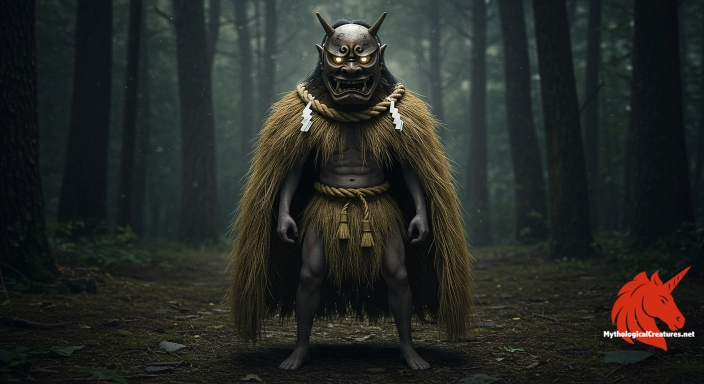
Namahage
Namahage - Symbolises purification and moral correction through fear, reinforcing community values
Origins & First Encounters
Namahage are enigmatic demonlike figures rooted in the traditions of the Oga Peninsula, an area renowned for its rigorous natural environment and enduring cultural practices. Their emergence during New Year’s celebrations is intended to symbolise renewal and the cleansing of past misdeeds, with each visitation serving as both a rebuke and a blessing. The practice appears to have ancient agrarian origins, where the cycle of the seasons was closely intertwined with local rites of passage and communal discipline. As the festive period unfolds, these imposing figures are believed to encourage introspection and self-improvement in members of the community. The Namahage ritual reflects an intimate dialogue between the forces of nature and human society, where caution and benevolence are intermingled. Their presence, both feared and revered, captures the duality of life, where misbehaviour is met with stark admonition yet ultimately guided towards a better future. The tradition has been passed down through countless generations, evolving to reflect contemporary needs while maintaining its archaic essence. Rural inhabitants see in the Namahage a vivid personification of the challenges imposed by winter, as well as the promise of rejuvenation in times of darkness. This multifaceted character continues to serve as a profound reminder of the interconnectedness of nature, culture, and community responsibility.
Source Texts & Tale Variants
The earliest records of the Namahage derive primarily from oral accounts that have been carefully transmitted through generations in the remote villages of northern Japan. Over time, these narratives were compiled in local folklore collections and ethnographic studies, contributing to a diverse yet cohesive body of myth. Several renditions of the Namahage tale underscore their function as both punitive enforcers and benevolent emissaries, tasked with awakening a dormant sense of duty in household members. In some versions, the ritual is depicted as a stern warning for misbehaviour, while alternative accounts portray the Namahage as participants in an elaborate, communal theatrical performance. Such variants illustrate the wide spectrum of interpretations that have emerged as the tradition intersected with evolving moral and social norms. Numerous local manuscripts and festival records reveal an intricate layering of symbolism, where the figures embody the stark realities of winter and the promise of a new beginning. The flexibility of the narrative allowed storytellers to adapt the myth in accordance with temporal and regional changes. The multiplicity of sources attests to the rich complexity of the Namahage legend, ensuring its perpetual relevance in the fabric of local society. Oral recitations and contemporary documentations alike continue to enrich our understanding of this fascinating ritual.
Form & Powers
The physical portrayal of the Namahage is both striking and deliberate, designed to instil a sense of awe and caution in onlookers. Participants don heavy, traditional oni masks that are crafted with exaggerated features such as large, gaping mouths, fierce eyes, and bony, angular contours that evoke a primordial terror. These masks are paired with robust straw capes known locally as mino, which lend an earthy, time-worn texture to their appearance. The costumes are typically handmade and can vary subtly in design, reflecting the unique artistic interpretations of local craftsmen. In many depictions, the Namahage stand tall and imposing, their stature magnified by the dramatic construction of their attire. The rough-hewn aesthetics of their masks, often enhanced by paint and rugged embellishments, underscore the raw and untamed nature of these beings. Each element of their costume — from the grimacing visage to the flowing, rustic cape — is imbued with symbolic meaning, designed to capture the spirit of ancient rites. The overall effect is one of controlled chaos, merging elements of horror and theatrical performance to immortalise the myth. Variations in detailing suggest a continual evolution in the craft, as artisans balance traditional techniques with creative modern influences.
Regional Faces
While the Namahage are inextricably linked to the Oga Peninsula in Akita Prefecture, their influence extends to broader parts of northern Japan and even to areas with similar folkloric traditions. In neighbouring regions, adaptations of the Namahage motif have emerged, each reflecting the local landscape, climate, and cultural nuances. Some communities have merged the Namahage narrative with other regional spirits, creating a hybrid tradition that reinforces the importance of seasonal change and communal order. The intensity and style of the performance may differ, with some areas emphasising the frightening aspects while others incorporate a more festive or even humorous tone. In these regional reinterpretations, differences in costume detail and performance rituals reveal the distinct artistic and cultural values of the local inhabitants. Variants might include additional symbolic elements or even supplementary characters that work in tandem with the traditional Namahage. Such diversity underscores how the myth has been adapted to meet both spiritual and practical needs within varying communities. The adaptability of the Namahage narrative has thus allowed it to thrive, maintaining its core symbolic message while embracing regional eccentricities. This patchwork of traditions enriches the broader folklore of northern Japan, presenting a vibrant tapestry of cultural expression.
Cultural Parallels
In the realm of myth and folklore, the Namahage occupy a fascinating position alongside other disciplinary mythological figures. Their role closely mirrors that of figures such as Krampus in Central European traditions, both of which use fear as a tool to encourage virtuous behaviour among young people. This parallel highlights a cross-cultural tendency to personify societal admonitions in vivid, larger-than-life figures. Both the Namahage and their Western counterparts combine elements of menace with an underlying intention of moral instruction, showcasing a universal theme where darkness serves as a catalyst for positive change. The ritualistic aspects, including elaborate costumes and theatrical performances, serve to blur the lines between nightmare and guidance in both mythologies. While the Namahage are deeply embedded in the seasonal and agricultural rhythms of Japan, their similarities with figures from other cultures speak to shared human concerns about discipline and the restoration of order. The comparative analysis draws attention to how different societies symbolise the process of confronting and overcoming behavioural shortcomings. In doing so, these myths reveal a common narrative fabric where fear, ritual, and renewal are interwoven. The cross-cultural connections enrich our understanding of the Namahage, demonstrating that despite geographical and cultural distances, communities have long sought to express their collective values through formidable mythic personas.
Legacy & Modern Evolution
Over the centuries, the ritual of the Namahage has transformed from a purely rural tradition to a celebrated symbol of cultural identity and community resilience. Historically, the practice served as a tangible method for instilling discipline and marking the passage from one seasonal cycle to the next in agrarian societies. As the modern era unfolded, the Namahage evolved to embody both nostalgic reverence for the past and a vibrant, living tradition that continues to resonate with contemporary audiences. Today, the festival is not only a powerful reminder of ancestral customs but also a draw for tourists and scholars interested in Japan’s rich folkloric heritage. Modern reinterpretations have seen the Namahage adopted in various media, from art exhibitions to film, where the figure is reimagined in contexts that bridge ancient myth and present-day cultural commentary. Local communities continue to innovate in their celebrations by integrating modern performance techniques with time-honoured rituals, reinforcing the practice’s relevance. This dynamic evolution illustrates the capacity of folklore to adapt to changing times while retaining its core symbolic messages. The Namahage now serve as a cultural ambassador for the region, encapsulating the spirit of renewal, the importance of communal accountability, and the enduring power of tradition. In this way, the legacy of the Namahage is not a relic of a bygone era but a continuous dialogue between past and present, offering lessons that transcend the boundaries of time.
Interesting Fact
Despite their terrifying appearance, the Namahage are celebrated for their role in reinforcing community discipline and purifying households during the New Year in Japan.
Partner with Mythological Creatures
Bring your myth-based world into ours
From game settings to narrative worlds, we work with partners who treat myths with care. Share your project for a potential sponsor slot.
Partner with usQuick Creature Info
Features:
Our Mythic Legendary Rating:

Also Sometimes Known As:
Habitat:
Supernatural Powers:
Physical Attributes:
Abilities:
Behavior:
Lore:
References
Discover Another Mythical Legend You May Not Have Heard Of?
Uncover the mysteries of ancient folklore and expand your knowledge of legendary beings from cultures around the world.
Dare to Meet the Tulugaak....
Curated by the Mythological Creatures Team
Series editor: Mythological Creatures Directory
Primary desk: Asian & Pacific Myth Cycles Desk
(rev. November 2025)