
Nandi: Nandi is the sacred bull and the divine vehicle of the Hindu god Shiva, revered as the guardian of Kailash.
-6930620e-fa71-4f9c-980a-877a7b22c7ca_small.webp "Nandi - Nandi symbolizes loyalty, strength, and serves as the gatekeeper of Shiva's temples.")
Nandi
Nandi - Nandi symbolizes loyalty, strength, and serves as the gatekeeper of Shiva's temples.
Origins & First Encounters
The majestic figure of Nandi has long captured the devotional imagination of countless devotees, standing as a symbol of unwavering loyalty and spiritual strength. He is celebrated as the sacred bull, revered as both the vahana and the steadfast attendant of Lord Shiva. His presence is deeply embedded in the ritual and iconographic traditions of Shaivism, where he not only serves as a mount but also as a guardian of Kailash, the celestial abode of Shiva. Emerging from the rich tapestry of ancient Indian spirituality, Nandi embodies a fusion of earthy power and divine tranquillity. His depiction in art and sculpture reflects a bridge between mythology and religious worship, highlighting the intrinsic connection between the domestic and the divine. Over time, his image has grown from a simple pastoral symbol to an essential element of temple architecture, underscoring the historical evolution of religious iconography. The legend of Nandi is interwoven with themes of sacrifice, fidelity, and the eternal cycle of cosmic order. His enduring significance in art and folklore is testimony to his role as both protector and intermediary, resonating with themes of resilience and compassion. As temples across the Indian subcontinent continue to display his effigy, Nandi remains a timeless emblem of spiritual guardianship and divine order.
Source Texts & Tale Variants
Ancient literary works and temple inscriptions offer a rich tapestry of narratives about Nandi, reflecting the diversity of his mythological tradition. The Shiva Purana, among other classical texts, presents varied accounts of his origins and role within the divine entourage of Shiva. These texts detail episodes that highlight his exceptional loyalty, his divine birth, and his transformation into the eternal guardian of sacred spaces. Devotional hymns composed in regional languages, such as Tamil, further embellish his legend with local nuances and colourful imagery. In some traditions, Nandi is portrayed as a result of divine penance and cosmic design, while other accounts emphasise his natural manifestation as a protector. The multiplicity of these narratives underscores the cultural and regional diversity inherent in Hindu mythology. Stone carvings and temple murals, some of which are more than a millennium old, offer visual representations that complement the literary descriptions. Oral traditions have also played a vital role in preserving these story variants, ensuring that his myth continues to be dynamically interpreted. The varied sources not only enrich the lore of Nandi but also illuminate the ways in which his story has been adapted to different theological and cultural contexts over the centuries.
Form & Powers
Nandi is typically depicted as a magnificent bull boasting a robust yet graceful physique that symbolizes both raw strength and calm dignity. His deep, soulful eyes and composed expression are said to reflect the inner wisdom that comes from a life devoted to a higher purpose. The elegant curvature of his horns is often highlighted in artistic renditions, serving as a visual metaphor for the natural power and nobility inherent in his form. Artists portray him with a lustrous coat that might be rendered in deep black, warm browns, or even hints of shimmering gold, reflecting regional artistic palettes. His muscular build and imposing stance are designed to evoke both the capacity for physical might and a serene, meditative presence. Detailed carvings often accentuate the fine textures of his hide and the smooth contours of his body, suggesting a balance between artful beauty and divine symbolism. In many temple sculptures, Nandi is shown seated upon an elaborately carved pedestal, which further underscores his significance in ritual practice. The intricate design of these images, from the delicate portrayal of his ears to the careful rendering of his tail, adds layers of symbolic meaning to his depiction. Each physical detail underscores his role as a living symbol of strength, devotion, and the harmonious convergence of the earthly and the divine.
Regional Faces
The image of Nandi has been reimagined and adapted across various regions, each adding its own local flavour to his depiction. In the temples of South India, particularly in Tamil Nadu and Karnataka, his statues are often crafted with intricate detailing and polished surfaces that reflect the region’s high artistic standards. In contrast, depictions in North India may present him in a more austere and monumental form, emphasising his protective and guardian qualities. Artists in different states incorporate unique stylistic elements, from the decorative motifs on his body to the distinctive patterns of his adornments, which reflect the local cultural aesthetics. Beyond the geographical boundaries of India, in regions influenced by Hindu tradition such as Nepal and parts of Southeast Asia, Nandi's iconography seamlessly fuses local artistic traditions with classical motifs. These regional variations often result in subtle differences in his expression, posture, and accompanying symbols, thereby recontextualising his role to suit local worship practices. Some communities focus more intently on his function as a gatekeeper of the divine, while others highlight his steadfast companionship to Shiva. Local festivals and community rituals further celebrate his multifaceted character, providing a dynamic canvas where regional artistry and religious devotion converge. Through these diverse interpretations, Nandi’s image remains a vibrant and adaptive symbol, resonating deeply with the spiritual sensibilities of each culture he touches.
Cultural Parallels
Nandi occupies a unique place in global mythological discourse, inviting compelling comparative analyses with other sacred animal figures. Much like the revered Apis bull of ancient Egyptian tradition, Nandi is imbued with notions of fertility, strength, and divine protection, serving as a living symbol that bridges the human and the transcendent. In the mythology of ancient Crete, the bull also held a prominent position, representing vitality and heroic endeavours, a parallel that underscores the universal human fascination with the animal form. Both traditions utilise the bull figure to express ideas about cosmic order and eternal renewal, albeit within distinctly different cultural frameworks. The symbolism of Nandi is further illuminated when compared with other animal representations in various Eastern traditions, where creatures are often anthropomorphised to manifest divine attributes. This cross-cultural dialogue enriches our understanding by highlighting how similar physical forms can come to embody diverse symbolic meanings across civilizations. While the Egyptian and Minoan bull traditions often centre on themes of resurrection and cyclical rebirth, Nandi distinctly complements the cosmic dance of destruction and regeneration associated with Shiva. These interwoven motifs serve as a reminder that sacred symbols transcend their immediate cultural contexts, resonating with a broader, shared human experience. Ultimately, the study of Nandi alongside parallel mythological figures provides valuable insights into how diverse cultures project their ideals of strength, renewal, and spirituality onto the natural world.
Legacy & Modern Evolution
Over the centuries, the evolution of Nandi’s image has mirrored the broader shifts in religious thought, artistic expression, and cultural identity. Early depictions in ancient temple reliefs laid the foundation for a tradition that has been continually reinterpreted by successive generations of artists and devotees. In contemporary times, Nandi remains a powerful symbol, frequently featured in modern art, architecture, and even popular literature, thereby bridging the gap between the traditional and the modern. His enduring presence in temple courtyards continues to inspire aesthetic innovation while maintaining deep spiritual resonance among worshippers. Modern reinterpretations often highlight his role as both a steadfast guardian and an emblem of inner strength, reflecting timeless values that remain relevant today. Festivals and religious processions frequently feature elaborate portrayals of Nandi, reinforcing his role as a vital link between ancient myth and modern spirituality. The evolution of his iconography—from simple early representations to the richly detailed sculptures seen today—illustrates the dynamic interplay between tradition and creative reinterpretation. As cultural dialogues expand in our globalised world, Nandi’s legacy serves as a reminder of the enduring power of myth to shape collective identity. His influence not only honours the past but also continues to infuse contemporary spiritual endeavours with a sense of timeless reverence and cultural pride.
Interesting Fact
Despite being an animal, Nandi is venerated as much as the deities themselves, highlighting the unique blend of devotion and respect in Hindu worship traditions.
Sponsor this space
Tasteful, fixed-fee placements for myth projects
No bidding wars or flashing banners. We offer simple placements for a small set of creators and brands aligned with our readers.
Request further detailsQuick Creature Info
Features:
Associations:
Our Mythic Legendary Rating:

Also Sometimes Known As:
Habitat:
Supernatural Powers:
Physical Attributes:
Abilities:
Behavior:
Lore:
Related Creatures, Tales or Lore
References
Discover Another Mythical Legend You May Not Have Heard Of?
Uncover the mysteries of ancient folklore and expand your knowledge of legendary beings from cultures around the world.
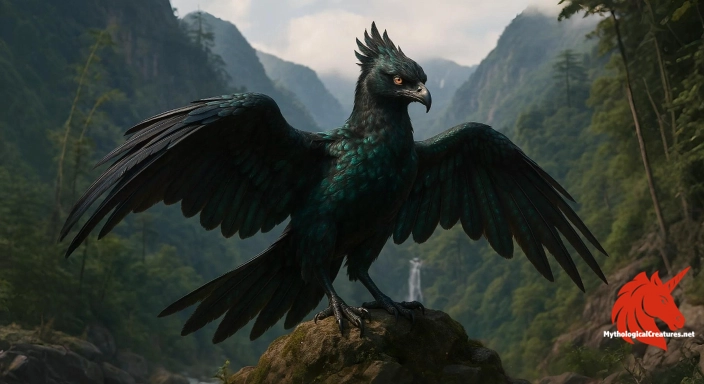
Dare to Meet the Zhenniao....
Curated by the Mythological Creatures Team
Series editor: Mythological Creatures Directory
Primary desk: Asian & Pacific Myth Cycles Desk
(rev. November 2025)