
Nuku-mai-tore: The Nuku-mai-tore are enigmatic, forest-dwelling spirits from Māori mythology.
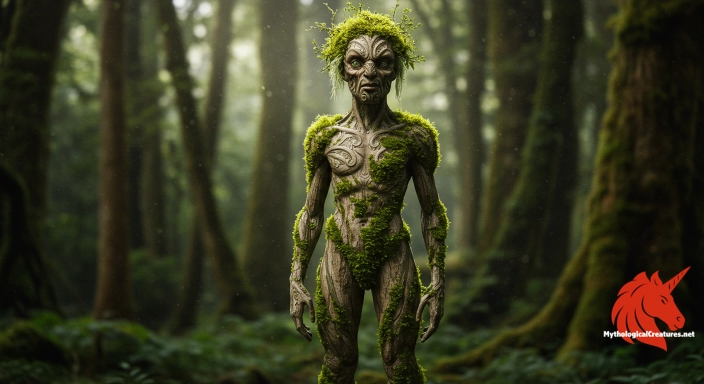
Nuku-mai-tore
Nuku-mai-tore - They play a critical role in the transmission of essential cultural knowledge and practices within Māori tradition.
Origins & First Encounters
The Nuku-mai-tore are enigmatic forest spirits woven into the fabric of Māori tradition, symbolising the deep link between nature and ancestral wisdom. Their origins are thought to arise from ancient oral narratives where the forest itself is a living, sentient realm and a keeper of sacred secrets. One of the earliest and most poignant attestations recounts how Tura, while journeying with Whiro’s canoe party, was cast into a whirlpool and saved by clinging to a tree’s overhanging boughs, ultimately leading him to dwell among these elusive beings. In that fateful encounter, Tura not only survived but became an emissary, sharing vital human knowledge such as the use of fire, the art of cooking, and the ceremonial practices of childbirth. Such narratives capture a moment when human ingenuity fused with the intrinsic magic of the forest. The Nuku-mai-tore represent both the mysteries of the wilderness and the cultural heritage of a people whose survival was intimately tied to nature’s bounty. Their myth symbolises a dynamic exchange between the realm of mortals and the energies of a primeval landscape. Over time, these spirits have been revered not only as protectors of the forest but as bearers of ancient wisdom and harmony.
Their legend continues to resonate, reminding listeners of the enduring bond between cultural identity and the natural world.
Source Texts & Tale Variants
The primary narrative concerning the Nuku-mai-tore is preserved chiefly in Māori oral traditions, where the tale of Tura’s transformative encounter stands central. Early accounts, recited by elders and passed down through generations, emphasise the dramatic moments when Tura, caught in the tumult of a whirlpool, finds sanctuary among these spirits. Different variants of the story highlight distinct facets of the encounter, with some versions focusing on the imparting of life-sustaining skills such as fire-making and cooking, while others underscore the profound rituals associated with childbirth. As the myth was retold in various iwi gatherings, nuances emerged that reflected local interpretations and the evolving landscape of Māori spirituality. Written records, compiled later in history, sought to capture these oral traditions, although much of the magical essence remains firmly embedded in spoken lore. The fluidity of these narratives illustrates how communities adapted the story to their own environments and cultural needs. Some storytellers accentuate the benevolent and nurturing aspects of the Nuku-mai-tore, whereas others present them as mysterious custodians of the forest. This multiplicity of tellings reflects a dynamic exchange of ideas, ensuring the myth remains vibrant and relevant across generations. Many modern compilations have further enriched the discourse by comparing recorded versions with neighboring regional traditions. Overall, the diverse sources attest to the significance of the Nuku-mai-tore as enduring symbols within Māori mythos.
The layers and variants found in these sources serve to deepen the symbolic resonance of the myth, nurturing its enduring appeal.
Form & Powers
Although early myths offer only subtle hints of their appearance, later artistic interpretations have richly detailed the physical presence of the Nuku-mai-tore. They are often envisioned as ethereal figures whose human form is intertwined with features of the forest, manifesting elements such as bark-textured skin and hair that mimics leafy tendrils. In some depictions, their eyes gleam with the soft luminescence of moonlit clearings, suggesting an inner world filled with ancient wisdom. Their figures are fluid and almost camouflaged within the foliage, evoking the ever-changing moods of a wild forest. Many storytellers describe them with elongated, graceful limbs reminiscent of winding branches, enhancing their connection to the natural surroundings. The variability in their stature—sometimes appearing diminutive yet commanding or at other times impressively elongated—adds to their mystical allure. Subtle animalistic nuances, perhaps the quiet grace of native fowl or the silent strength of forest mammals, are occasionally noted in portrayals of these spirits. Their presence is marked by an aura that blends the tangible with the ephemeral, as if they are partly woven from the very mists that drift between the trees. Over successive generations, these physical attributes have served as metaphors for the inherent interplay between life and the wilderness. The artistic evolution of these images continues to inspire both traditional crafts and contemporary visual works.
In essence, the physical descriptions serve as a bridge linking the tangible beauty of nature to the mythic qualities of the Nuku-mai-tore.
Regional Faces
The portrayal of the Nuku-mai-tore varies notably across the diverse regions and communities of New Zealand, reflecting a tapestry of local traditions and natural landscapes. In some coastal and northern regions, they are depicted as gentle, nurturing guardians whose presence reinforces a harmonious relationship with the marine and forested environs. In contrast, central tribal narratives sometimes portray them as more elusive and capricious, embodying the unpredictable character of the dense inland bush. Local adaptations of the myth often integrate additional supernatural elements, sometimes linking the Nuku-mai-tore with other beings like taniwha, thereby broadening their spiritual significance. Artistic renditions and ceremonial rites in different areas emphasise distinct aspects: while some focus on their role as cultural educators, others highlight their function as solitary protectors of ancient groves. The environmental characteristics—from shadowed, humid rainforests to open, sun-dappled woodlands—help shape the detailed imagery associated with these spirits. Community practices, including seasonal celebrations and rituals, often incorporate local interpretations of the Nuku-mai-tore as emblems of fertility and renewal. Variations in local dialects and storytelling further enrich the myth, ensuring that each retelling carries a piece of the region’s unique identity. These regional nuances ultimately underscore the adaptability and enduring appeal of the myth. The fluidity of their depiction across diverse landscapes is a testament to the vibrant strength of Māori oral tradition.
Such regional adaptations illuminate how the natural world and community experiences continually inform and transform mythic narratives.
Cultural Parallels
The myth of the Nuku-mai-tore finds echoes in a global array of forest spirits, drawing fascinating parallels with figures such as the Greek dryads and the Celtic Sidhe. Much like these counterparts, the Nuku-mai-tore encapsulate a deep reverence for the mysterious, life-giving energy of the wilderness. Their role as cultural mediators who introduce essential knowledge—akin to the culture-bringers of other traditions—is a recurring motif in many mythologies. The narrative of Tura, whose experience among these spirits imparts vital wisdom, resonates with heroic themes found in diverse folklore traditions that celebrate the gift of fire and the arts necessary for civilisation. Across cultures, forest deities and nature sprites are often portrayed with a dual nature: nurturing yet inscrutable, benevolent but capable of mischief. This likeness underscores a universal human fascination with the forces of the natural world and the need to explain its extraordinary phenomena. Comparative mythology often reveals that such figures serve as conduits for understanding the boundaries between the mundane and the mystical. The shared motifs—whether in European or Pacific traditions—highlight a collective desire to bridge human existence with the untamed wilderness. In this light, the Nuku-mai-tore not only enrich Māori mythology but also participate in a broader dialogue found across global folklore. Their enduring character exemplifies our common cultural heritage and the symbolic importance of nature’s mystique.
These cultural parallels provide a fertile ground for exploring how nature’s enigmatic forces are celebrated and revered across different traditions, affirming a shared human experience.
Legacy & Modern Evolution
The mythic narrative of the Nuku-mai-tore has evolved over centuries, transitioning from a purely spiritual embodiment of the forest to a multifaceted symbol in both indigenous and modern contexts. Historically rooted in oral traditions that celebrated the life-saving moments of Tura’s encounter, these spirits have become emblems of a deep-seated connection between humanity and the natural world. As the forces of modernity and colonisation reshaped cultural landscapes, the Nuku-mai-tore emerged as symbols of indigenous resilience and environmental stewardship. Contemporary artists, writers, and performers have reimagined these forest guardians, blending traditional motifs with present-day ecological concerns. Their teachings—including the sacred introduction of fire, the art of cooking, and the rituals of birth—are now seen as allegories for the transformative journey of cultural transmission. In modern discourse, these beings are often invoked as reminders of the environmental wisdom held by early Māori communities and the importance of preserving natural heritage. The evolving portrayal of the Nuku-mai-tore in art and literature reflects a society grappling with its historical roots while addressing the challenges of modern ecological crises. Academic and cultural studies frequently reference their myth as a nexus of creativity, empowering both indigenous communities and wider audiences to reclaim a balanced relationship with nature. The resurgence of interest in such mythic figures underscores their relevance as symbols of hope, continuity, and sustainable living. Their storied legacy continues to inspire new generations, acting as a bridge between the ancient past and the contemporary call for environmental protection.
Today, the Nuku-mai-tore stand as enduring icons, reaffirming the deep and inextricable bond between cultural identity, ancestral wisdom, and the natural world.
Interesting Fact
It is fascinating that the Nuku-mai-tore, despite their elusive nature, play a central role in the continuity of Māori cultural practices, demonstrating a unique blend of spirituality and practical life skills.
Partner with Mythological Creatures
Bring your myth-based world into ours
From game settings to narrative worlds, we work with partners who treat myths with care. Share your project for a potential sponsor slot.
Partner with usQuick Creature Info
Origin:
Features:
Associations:
Our Mythic Legendary Rating:

Habitat:
Supernatural Powers:
Physical Attributes:
Abilities:
Behavior:
Lore:
Related Creatures, Tales or Lore
- PPatupaiarehe
- TTurehu
- KKodama
References
Discover Another Mythical Legend You May Not Have Heard Of?
Uncover the mysteries of ancient folklore and expand your knowledge of legendary beings from cultures around the world.
Dare to Meet the Lui-kong-tsiau....
Curated by the Mythological Creatures Team
Series editor: Mythological Creatures Directory
Primary desk: Asian & Pacific Myth Cycles Desk
(rev. November 2025)