
Oeonae: The Oeonae are a mythical human race noted in classical geographical texts.
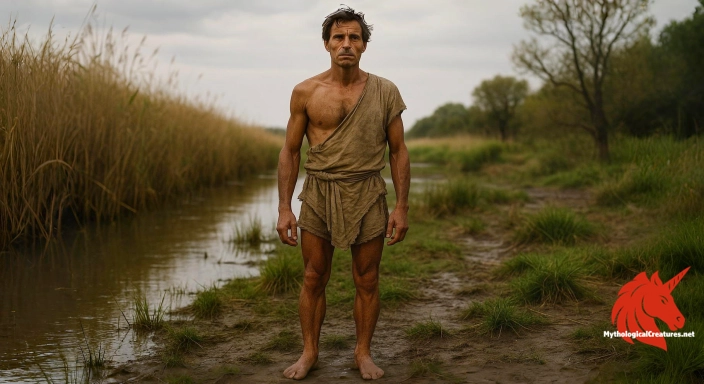
Oeonae
Oeonae - The Oeonae exemplify the mythological races used by classical authors to illustrate the diversity and peculiarity of human populations in remote parts of the world.
Origins & First Encounters
The Oeonae, sometimes rendered as Oönæ, stand out as one of the more captivating human races imagined by classical geographers. They emerged from a tradition that blended firsthand observation with rich myth, forming part of an early effort to chart the unknown. Their first appearances can be traced to Pomponius Mela’s De situ orbis, with Pliny the Elder later reintroducing details in his Natural History. Early accounts place them on a secluded island, setting them apart from the familiar Greco-Roman people of the Mediterranean. The ancient writers crafted their image as a unique community, defined in part by an unusual diet and an exclusive way of living. This depiction reflects the broader ancient tendency to populate distant lands with peoples of extraordinary habits. Their exclusive sustenance of oats and marsh bird eggs further contributed to the mystique that shrouded their society. Despite scant data on their social structure, the careful crafting of their narrative demonstrates the blending of geography with imaginative myth. Thus, the Oeonae illustrate the role of myth in expanding the perceived contours of the known world.
Source Texts & Tale Variants
Ancient literature serves as the primary reservoir of information about the Oeonae. Pomponius Mela’s De situ orbis provides the earliest narrative glimpse into their existence, listing them among several exotic and enigmatic races. Pliny the Elder’s Natural History further cements their stature by recounting their distinct dietary practices and shared island with other mythical beings. Over the centuries, scribes and scholars have revisited these early texts, often adding subtle layers to the original accounts. Variations in manuscript traditions have introduced minor discrepancies in the details but have consistently maintained key aspects of their story. Later compendiums, particularly during the medieval period, incorporated the Oeonae into a broader tapestry of marvels and wonders. These classical sources, though brief, offer enough intrigue to stimulate ongoing debate regarding the boundaries between natural history and myth. The recurring note of their unusual way of life ensures their continued relevance in discussions about ancient geographical imagination. In this way, the scattered records of the Oeonae persist as a bridge between historical curiosity and legendary narrative.
Form & Powers
Physical descriptions of the Oeonae are sparse, yet the few details provided suggest a people remarkably adapted to their isolated environment. They are often imagined as possessing a lean, wiry build—a physique shaped by the rigours of life on an uncharted island. Their appearance is portrayed as distinct from that of typical Mediterranean peoples, hinting at facial features and bodily structures refined by isolation. The classical texts allude to an understated elegance in their form, with subtle modifications signalling an adaptation to their rugged surroundings. Contours of their faces and limbs are sometimes depicted as more angular, lending them an air of resilience. The emphasis on their unique diet has led some interpretations to suggest that their physical traits might mirror the simplicity and fortitude required to thrive on limited resources. This depiction invites modern imagination to envision them with refined yet weathered traits, blending the line between human and the extraordinary. Despite the absence of detailed descriptions in the original sources, later artistic representations have added nuances that evoke both grace and steadfastness. In essence, the physical portrayal of the Oeonae remains a composite of limited facts and the imaginative embellishments of successive generations.
Regional Faces
The myth of the Oeonae evolved as it moved through different cultural and geographical contexts. In classical texts, they were situated on remote islands, a positioning that left ample room for later reinterpretation across regions. The medieval period witnessed a fascination with exotic locations, leading some mapmakers to place the Oeonae in ambiguous territories that bordered legend and reality. This geographical vagueness allowed local traditions to adopt and adapt the myth, sometimes blending it with indigenous folklore. In some regions, the island inhabited by the Oeonae was reimagined as a secluded utopia, while in others it symbolised the untamed, peripheral frontiers of civilisation. Their close association with the Panotti and Hippopodes further enriched the regional variants, each community reflecting ideas of difference and adaptation. Varied interpretations across Europe and beyond have seen the Oeonae portrayed either as emblematic of purity in isolation or as cautionary examples of otherness. Such modifications in their regional depiction underscore the dynamic interplay between local cultural narratives and the fixed details of their classical origins. Overall, the regional variations invite a broader understanding of how myth adapts to the cultural and geographical imaginations of diverse peoples.
Cultural Parallels
When placed alongside other mythological human races, the Oeonae emerge as a particularly intriguing case. Their exclusive diet of oats and marsh bird eggs finds thematic resonance with other legendary groups whose distinct sustenance practices set them apart from mainstream societies. Similar to the Panotti and Hippopodes, whose descriptions accompany the Oeonae in classical accounts, they embody a fascination with human diversity at the edges of the known world. Cross-cultural comparisons reveal that many ancient traditions employed food and environment as symbols for cultural difference and isolation. In other mythologies, exotic peoples often appear with unique physical and cultural traits that serve as allegories for nature’s unpredictability. These similarities point to a broader ancient interest in cataloguing differences among human groups through marked, often exaggerated, characteristics. The narrative of the Oeonae contributes to a corpus of stories that challenge perceptions of normality by celebrating the unusual. Such comparisons not only highlight the inventive nature of classical myth-making but also reveal common human concerns about the boundaries of civilisation. In summary, the Oeonae serve as a compelling mirror to similar mythical races that, like them, signal both the wonder and the uncertainty of the ancient world.
Legacy & Modern Evolution
The legacy of the Oeonae has transformed profoundly from their origins in classical geographical texts to their modern interpretations as mythic symbols. Initially recorded as authentic descriptions of remote peoples, they gradually gained an aura of the fantastical. Over time, scholars and creative writers alike have mined their brief accounts for deeper allegorical meaning regarding isolation and the natural world. In contemporary culture, the Oeonae sometimes appear in discussions that explore the interplay between myth and reality, serving as a reminder of how ancient perceptions of the unknown continue to shape modern narratives. Their portrayal in fantasy literature and art, though often loose in detail, underscores a continuing fascination with peoples who exist on the margins of the known world. Modern reinterpretations frequently cast them as emblematic of endurance and the mysterious adaptation required to survive in challenging environments. Such depictions reflect broader trends in myth-making, where classical subjects are reimagined within the frameworks of modern identity and cultural critique. As interest in classical mythology endures, the Oeonae have become a symbol of the timeless interplay between human curiosity and the uncharted realms of nature. Their evolution from a factual curiosity to a mythic archetype underscores the enduring power of ancient storytelling.
Interesting Fact
The Oeonae's exclusive reliance on oats and marsh bird eggs has sparked enduring interest regarding the symbolic meanings of these foods in ancient cultures.
Sponsor this space
Tasteful, fixed-fee placements for myth projects
No bidding wars or flashing banners. We offer simple placements for a small set of creators and brands aligned with our readers.
Request further detailsQuick Creature Info
Origin:
Features:
Our Mythic Legendary Rating:

Also Sometimes Known As:
Habitat:
Physical Attributes:
Abilities:
Behavior:
Weaknesses:
Lore:
Related Creatures, Tales or Lore
- PPanotti
- HHippopodes
- PPygmies
References
Discover Another Mythical Legend You May Not Have Heard Of?
Uncover the mysteries of ancient folklore and expand your knowledge of legendary beings from cultures around the world.
Dare to Meet the Churel....
Curated by the Mythological Creatures Team
Series editor: Mythological Creatures Directory
Primary desk: Hellenic & Ancient Mediterranean Desk
(rev. November 2025)