
Oilliphéist: The Oilliphéist is a legendary sea serpent and dragon-like monster from Irish mythology.
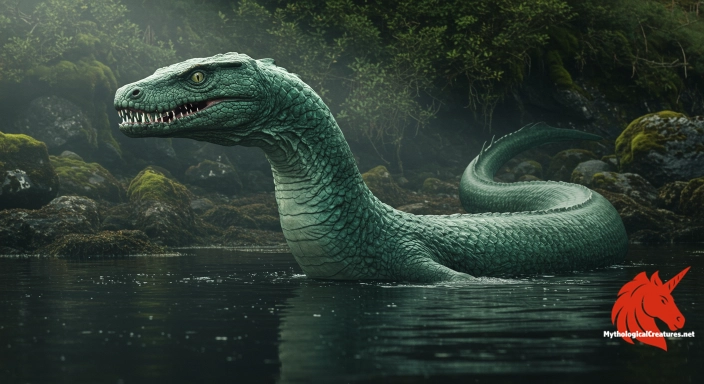
Oilliphéist
Oilliphéist - Embodies the wild and untamed nature of Ireland's waterways and has influenced later cryptid legends such as that of the Loch Ness Monster.
the legend in five swipes.
the legend in five swipes.
Oilliphéist Origins: The Earliest Accounts
The Oilliphéist emerges from the mists of Irish myth as an enigmatic water creature that marries serpent-like grace with an aura of dread. Its name, derived from the Irish words for ‘great’ and ‘beast’, encapsulates the formidable nature of this legendary entity. It is traditionally depicted as a sea serpent or dragon-like monster that haunts the lakes and rivers of Ireland, a creature that both captivates and terrifies those who dwell near its watery domains. Ancient tales weave its origin into a tapestry of natural and supernatural forces, hinting at a time when the world was imbued with magic and mystery. The creature’s earliest attestations can be found in a rich array of oral narratives and medieval texts, where encounters with saints and heroes underscore its notorious reputation. Its presence symbolises the untamed spirit of nature, reflecting the unpredictable character of Ireland’s waterways. The legends imbue the Oilliphéist with dual roles: as a harbinger of chaos and as an inadvertent guardian of natural order. Within these storied accounts, it is portrayed both as a menacing adversary and a relic of ancient lore, deeply interwoven with the cultural heritage of the Irish people. Over generations, the myth of the Oilliphéist has continued to evolve, ensuring its place as a vivid emblem of Ireland’s legendary past.
The Documented Accounts of the Oilliphéist
A diverse collection of texts and oral traditions has preserved the myriad stories of the Oilliphéist. Early manuscripts, passed down through generations of storytellers and scribes, contain fragmented yet compelling narratives of its exploits. One well-known variant recounts the creature’s unexpected encounter with a drunken piper, whose irreverent melody inside its belly leads to a comically abrupt expulsion. In another telling, the creature disrupts the course of the mighty River Shannon as a dramatic response to the impending presence of Saint Patrick. These accounts, collected from both ecclesiastical and secular sources, provide a window into the multifaceted character of the creature. Each version, whether steeped in solemnity or humour, reflects the values and beliefs of its narrators. The seemingly disparate segments of its story have been carefully stitched together over centuries, creating a rich mosaic of myth and legend. Local variations in the tales further enhance our understanding, showing how different communities have adapted the narrative to reflect their own histories and landscapes. This ongoing process of storytelling not only sustains the myth but also encourages fresh interpretations with every retelling.
What did the Oilliphéist look like?
The physical form of the Oilliphéist is as varied as it is awe-inspiring, often depicted as a colossal, sinuous creature that embodies both the elegance of a serpent and the ferocity of a dragon. Its elongated body is frequently described as being covered in rugged, glistening scales that reflect the murky light of its watery habitat. Artistic renditions and accounts suggest that its eyes exude an intense, otherworldly glow, capable of instilling fear in even the bravest souls. Some portrayals include subtle draconic features such as small, sharp horns or a spiked ridge running along its back, elevating its menacing aspect. Witnesses of its legend have detailed how its massive, undulating form can both ripple tranquil waters and stir tumultuous waves. There are accounts that suggest its size is not fixed, with local lore sometimes claiming that it can appear larger than life to symbolise an overwhelming power. Its appearance has been subject to exaggeration over time, each storyteller enhancing its draconic qualities to better reflect the awe it inspired. The creature’s physicality is imbued with the duality of natural beauty and inherent danger, encapsulating the wild spirit of Irish lore. Such a dynamic and mutable form has helped secure its lasting place in the pantheon of mythological monsters.
How do regional versions of the Oilliphéist differ?
Across the various regions of Ireland, the image of the Oilliphéist takes on distinct nuances that mirror the local landscapes and cultural traditions. In the mist-shrouded lakes of the west, it is sometimes seen as a shadowy guardian, its form blending seamlessly with rugged terrain and reflective waters. In contrast, the legends surrounding the great River Shannon depict the creature as an unyielding force, one that disrupts the natural flow as an ominous warning. Local storytellers have been known to infuse the creature with attributes unique to their communities, assigning it different temperaments and even alternative names. In some areas, it is portrayed as a passive denizen of the water, while in others it emerges as an active agent of chaos. Its characteristics can shift subtly from one locale to another, offering clues to the environmental and societal concerns of the time. The regional variations also highlight how folklore adapts to cultural and geographical contexts, ensuring that the creature remains relevant to the people who recount its tale. Each localized interpretation enriches the overall mythos, adding layers of complexity and local colour. Such diversity in regional narratives underscores the enduring influence of the Oilliphéist throughout Ireland’s varied landscapes.
How does the Oilliphéist legend compare worldwide?
The Oilliphéist occupies a notable position in the wider realm of myth, standing shoulder to shoulder with similar waterborne creatures from various cultural traditions. Like the legendary Loch Ness Monster, it encapsulates humanity’s enduring fascination with mysterious beings that reside in deep, hidden waters. Comparable myths exist in Celtic and Norse traditions where serpentine creatures symbolize both the beauty and peril of the natural world. Much like ancient depictions of Leviathan in biblical lore, the Oilliphéist embodies a primal force, one that is as capable of awe as it is of terror. In many cultures, water creatures are revered as representatives of nature’s unpredictable temperament, and the Oilliphéist is no exception. It mirrors the dual roles seen in other mythic beings—both as protectors and as disruptors of the natural order. This cross-cultural resonance highlights a shared human impulse to personify and mythologise the enigmatic aspects of water. The creature’s capacity to evolve in narrative and symbolism suggests that its form has been influenced by converging mythic archetypes across Europe and beyond. Through such comparative analysis, the Oilliphéist emerges not only as a distinctive creature in Irish lore but also as a symbol connected to a universal mythic tradition.
Oilliphéist: How the Legend Lives On
The legacy of the Oilliphéist has seen a fascinating evolution from its ancient, fearsome beginnings to a recognised icon of Irish folklore in modern times. Early narratives painted it as a dread-filled monster that threatened the sanctity of water, its exploits interwoven with tales of saintly triumphs and tragic encounters. Over the centuries, shifts in cultural attitudes have allowed for a reinterpretation of its image, softening some of its more terrifying attributes while preserving its mythical core. Contemporary depictions often portray the creature as an enduring emblem of Ireland’s wild natural heritage, inspiring both scholarly inquiry and local pride. Artists, writers, and filmmakers have embraced the Oilliphéist as a muse, integrating its legend into cultural festivals, literature, and visual art. Its story, which once served as a cautionary tale, has now become a symbol of Ireland’s rich mythological tradition and the country’s intimate relationship with its waterways. Modern reinterpretations also explore themes of reconciliation between mankind and nature, casting the creature in a more ambivalent, even sympathetic light. This evolution not only underscores the fluidity of folklore but also highlights how ancient myths can be reimagined to reflect contemporary values and environmental concerns. As a result, the Oilliphéist continues to inspire wonder and debate, a timeless reminder of the enduring power of myth in shaping cultural identity.
Interesting Fact
The quirky tale of the drunken piper, who unabashedly played music from inside the creature's belly, stands out as a remarkable blend of humor and terror in Irish folklore.
Mythological Treasures
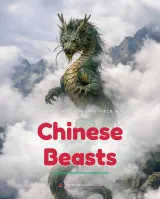
Chinese Beasts: A field guide to the dragons and demon kings of Chinese myth
From river dragons to demon kings, with the legends that shaped five thousand years of storytelling.
Japanese Yokai: A field guide to the spirits and demons of Japanese folklore
Fifteen spirits, with the signs to watch for and what the old tales say to do if you meet one.
Greek Myths: A field guide to the monsters of ancient Greece
Every monster here earned its place in legend, and each gets a full page of artwork and the story behind it.
the legend in five swipes.
Curated sponsor space
One subtle banner. Thousands of myth lovers.
We offer a small number of curated sponsor spots for relevant books, courses, games, and art. No clutter, just well-matched partners.
Partner with usQuick Creature Info
Associations:
Our Mythic Legendary Rating:

Also Sometimes Known As:
Habitat:
Supernatural Powers:
Physical Attributes:
Abilities:
Behavior:
Lore:
Related Creatures, Tales or Lore
- LLoch Ness Monster
- CCaoránach
- SStoor Worm
References
Discover Another Mythical Legend You May Not Have Heard Of?
Uncover the mysteries of ancient folklore and expand your knowledge of legendary beings from cultures around the world.
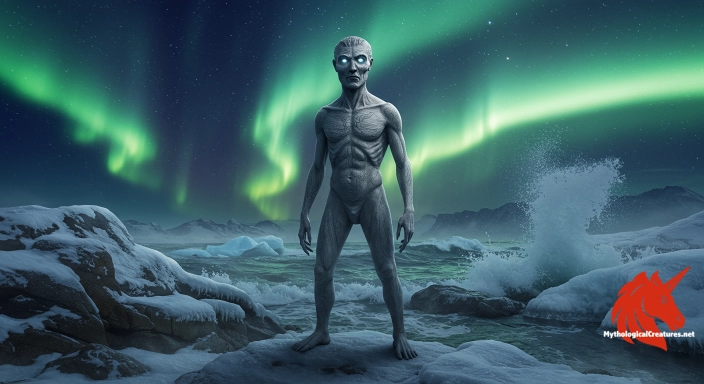
Dare to Meet the Torngarsuk....
The Mythological Creatures Book Series
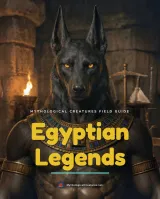
Yokai, Greek, Norse, Egyptian & Chinese. Five illustrated field guides to the creatures the old stories either warned or told you about.

Curated by the Mythological Creatures Team
Series editor: Mythological Creatures Directory
Primary desk: Northern & European Folklore Desk
(rev. November 2025)