
Ork: The Ork is a demon from Tyrol alpine folklore known for its capricious nature.
-8cdc9721-d09e-437e-89ea-64fa357de1b0_small.webp "Ork - Embodies the dual nature of protection and mischief in alpine legends.")
Ork
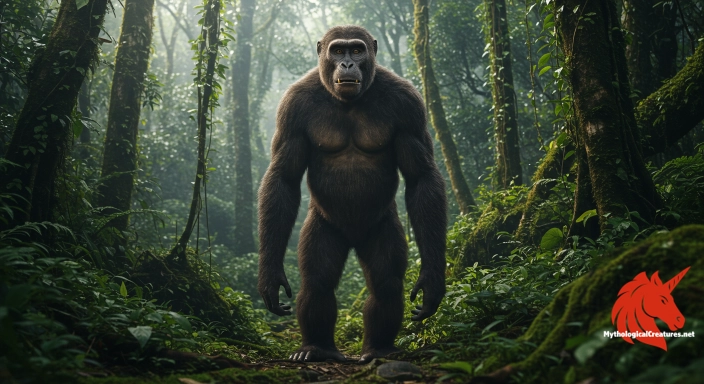
Ork - Embodies the dual nature of protection and mischief in alpine legends.
Origins & First Encounters
The Ork emerges from the mists of Tyrolean Alpine folklore as a demonic yet enigmatic figure, embodying the unpredictable nature of the high mountains and deep valleys. Its roots lie deep within the cultural heritage of Alpine communities that have long straddled the boundary between the natural world and the realm of myth. Over generations, the Ork has been portrayed as both a guardian of sacred natural spaces and a trickster capable of bewildering those who venture too close to his domain. Early narratives, passed down through oral tradition, reveal a creature that warns hunters of noble game or, in darker moments, unleashes misfortune upon livestock. The Ork's origin is intertwined with local beliefs that see the rugged landscapes as sacred and fraught with hidden dangers. Historical accounts also hint at its duality, oscillating between a fearsome demon and a benevolent house spirit, depending on context and region. Tales of its appearances during both the biting cold of mountain winters and the lively gatherings in rural cellars further underline its versatile character. In every retelling, the Ork serves as a living reminder of the delicate balance between nature's beauty and its inherent peril.
Source Texts & Tale Variants
Ancient texts and oral traditions have played an essential role in preserving the lore of the Ork, offering varied insights into its multifarious character. A notable mention arises in the medieval poem Virginal, where a figure reminiscent of Orkise is depicted in a battle alongside heroes like Dietrich von Bern. Local folklore in Tyrol recounts stories of a creature that could oscillate between guiding hunters with its warnings and wreaking havoc upon livestock, a narrative that has been passed down with subtle regional modifications. In some recountings, the Ork’s behaviour is compared to that of a well-mannered kobold inhabiting wine cellars, suggesting a gentler facet of its identity. Different story variants have emerged from neighbouring areas, with some versions portraying the Ork primarily as a harbinger of misfortune, while others celebrate its role as a playful trickster. Collections of Alpine legends encapsulate these diverse portrayals, lending an air of mystery and multiplicity to its myth. The transmission of these stories through both spoken word and early written compilations reflects the perennial human need to explain the unknown. With each retelling, the legacy of the Ork grows richer and more complex, weaving together threads of caution, humour, and supernatural wonder.
Form & Powers
The physical appearance of the Ork is as multifaceted as the stories that surround it, with descriptions ranging from a menacing demon of the mountains to a surprisingly well-behaved household spirit. Certain tales paint the Ork as a diminutive, dwarf-like figure, reminiscent of a kobold, who takes refuge in the secret depths of ancient wine cellars. In contrast, the variant known as the Orco Burlevole from Verona is depicted as a tall figure endowed with unusual features, including horse-like hooves and flowing, horse-shaped hair. This ability to adopt differing physical forms speaks to its shape-shifting nature, allowing the creature to seamlessly blend into both the wild and the domestic spheres. An ever-changing visage characterises the Ork, with some accounts suggesting that even its facial features can morph from inviting to ominous in an instant. The descriptions often highlight an uncanny blend of elegance and wildness, mirroring the unpredictable environment of the Alps. The creature’s physical form may also incorporate elements that appear both natural and otherworldly, such as the distortion of shadows or a shimmering, sulphurous aura during its transformations. Observers often remark on the vivid details of its appearance, which seem to encapsulate the essence of a landscape that is as beautiful as it is dangerous.
Regional Faces
The myth of the Ork exhibits a remarkable regional diversity across the Alpine regions, with local adaptations that reflect the unique cultural landscapes of Tyrol and northern Italy. In Tyrol itself, the Ork is primarily associated with rugged mountain vistas, foreboding rock holes, and secluded valleys, where its presence is both a blessing and a curse to local inhabitants. In contrast, the variant known as the Orco Burlevole flourishes particularly around Verona, where the spirit is celebrated more as a mischievous trickster than as a fearsome demon. This regional divergence illustrates how local traditions imbue the creature with traits that resonate with their specific environmental and social contexts. In some areas, the Ork is revered for the subtle warnings it provides to hunters and farmers, acting as both protector and harbinger. Meanwhile, other regions emphasise its shape-shifting dexterity and playful pranks, often recounting elaborate tales of transformative escapades in abandoned houses or shadowy caves. The duality of its nature—simultaneously protective and punishing—mirrors the complex relationship that rural communities share with the natural world. Local festivals and narrative cycles have, over time, reinterpreted the Ork to reflect regional customs, ensuring that the myth remains as flexible as it is enduring.
Cultural Parallels
The Ork shares intriguing similarities with various other mythological beings from across Europe, positioning it within a broader tradition of trickster and shape-shifting spirits. Its capacity to both warn and beguile draws parallels with Germanic household sprites and kobolds, whose roles frequently oscillate between benevolence and mischief. Comparable to figures such as the aufhocker—another spectral being known to menace travellers—the Ork encapsulates the dual nature of many regional deities that blur the line between protector and predator. Like the puckish characters of Celtic folklore, this Alpine spirit is adept at warping perceptions of space and time, creating an aura of both wonder and caution. Similar mythic entities in Scandinavian traditions also share its ambiguous moral alignment, embodying both the harshness of nature and its capacity for unexpected kindness. These cross-cultural comparisons reveal shared motifs of transformation, surprise, and the inexplicable interplay between the supernatural and the natural world. In this way, the Ork not only occupies a special niche within Alpine legends but also resonates with the universal qualities found in trickster myths globally. The multifaceted nature of such spirits reflects a widespread human desire to personify and manage the unpredictable forces of the environment and society.
Legacy & Modern Evolution
Throughout the centuries, the legacy of the Ork has evolved, moving from the shadows of terrifying folklore to a more nuanced and, at times, even endearing cultural icon. In earlier eras, the creature was often feared for its unpredictable interventions, capable of both safeguarding and devastating local livestock and hunters alike. As time passed, the narrative surrounding the Ork transformed, absorbing influences from shifting societal attitudes towards nature and the mystical unknown. Modern reinterpretations of the Ork have seen it emerge as a symbol of nature’s capricious spirit, often celebrated in local festivals and artistic representations across the Alpine regions. Contemporary storytellers and artists portray the Ork as a multifaceted trickster—a being capable of both prudent warnings and comical deceptions that mirror modern sensibilities. This evolution from a dreaded demon to a whimsical, almost folkloric antihero reflects broader changes in how society relates to traditional myths. With increasing interest in regional heritage and the revival of ancient stories, the Ork has become a celebrated figure in cultural events and literary circles alike. Today, the myth of the Ork continues to inspire creative works and scholarly debate, ensuring that its legacy remains a vital and dynamic part of Alpine folklore. The enduring fascination with this creature underscores its role as a timeless emblem of nature’s mystery and the ever-changing human spirit.
Interesting Fact
The local phrase 'Te l'ho fatta!' used by the Orco Burlevole highlights its deep roots in regional dialects and serves as a cultural hallmark of its mischievous nature.
For publishers and studios
Your next readers are already here
Many of our visitors are looking for books, campaigns, and resources that deepen their journey into myth. Position your title or setting here.
Discuss a placementQuick Creature Info
Features:
Associations:
Our Mythic Legendary Rating:

Also Sometimes Known As:
Habitat:
Supernatural Powers:
Physical Attributes:
Abilities:
Behavior:
Lore:
Related Creatures, Tales or Lore
References
Discover Another Mythical Legend You May Not Have Heard Of?
Uncover the mysteries of ancient folklore and expand your knowledge of legendary beings from cultures around the world.
Dare to Meet the Mande Barung....
Curated by the Mythological Creatures Team
Series editor: Mythological Creatures Directory
Primary desk: Hellenic & Ancient Mediterranean Desk
(rev. November 2025)