
Pasithoe: Pasithoe is one of the 3,000 Oceanids in Greek mythology and a water nymph daughter of the Titans Oceanus and Tethys.
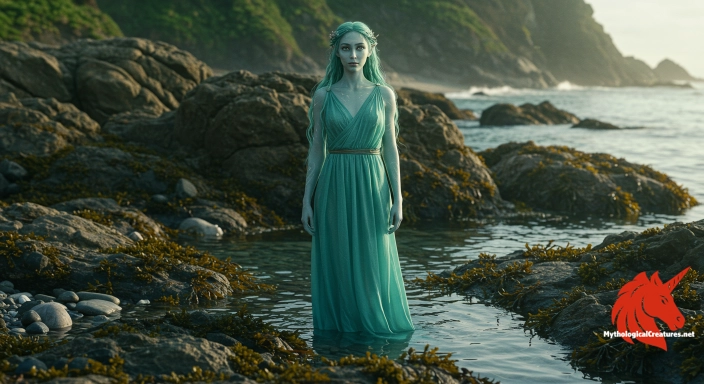
Pasithoe
Pasithoe - Represents the nurturing and life-sustaining aspects of water in Greek mythology, embodying nature’s gentle yet eternal force.
the legend in five swipes.
the legend in five swipes.
How did Pasithoe enter folklore?
Pasithoe emerges in ancient lore as one of the myriad Oceanids, a daughter of the titanic duo Oceanus and Tethys, whose presence evoked the multifaceted beauty of water. Her origins are interwoven with the vast tapestry of Greek myth, where the natural and divine coexist in delicate balance. Early attestations in genealogical texts of antiquity hint at her serene yet vital role within the divine ecosystem. The ancient narratives position her as an emblematic water nymph, embodying the gentle rhythms of rivers and springs. She is portrayed as a personification of the calm and restorative qualities of water, reflecting the cosmic order at the heart of nature. Her mythic identity, while not steeped in dramatic exploits, radiates the subtle power of the natural world. The cultural context in which she was revered speaks of a deep respect for every element of nature, encouraging a harmonious relationship between mortals and the divine. In this light, Pasithoe stands as a silent yet enduring symbol of the beauty, balance, and benevolence inherent in the world around us.
Pasithoe: Manuscripts, Texts and Variants
The earliest references to Pasithoe can be traced back to the classical poetic traditions where genealogical compilations, such as those found in Hesiod’s works, catalogue the Oceanids with brief yet respectful mentions. Ancient texts list her among the 3,000 water nymphs, suggesting that her role was part of a broader natural order rather than focused narratives. While major literary sources provide scant details, later compilations and scholia enhance her enigmatic presence in myth. There exist fragments in Hellenistic poetry that evoke her ephemeral beauty and her association with serene waters. Variations in retellings subtly enhance her character, with later literary traditions hinting at her influence over peaceful aquatic realms. Some painters and vase-makers in antiquity captured hints of her identity through evocative imagery in pastoral and marine scenes. Even in the sparse references, the recurring motif of water purity associated with Pasithoe begins to emerge across different texts. These assorted sources, though not exhaustive, weave together a patchwork that preserves her legacy as part of the divine natural hierarchy.
Pasithoe: Size, Shape and Strange Features
In visual depictions, Pasithoe is celebrated as embodying the quintessential grace of a water nymph, with a form that exudes both ethereal beauty and delicate strength. Her silhouette is often rendered with slender, flowing contours that evoke the gentle currents of a quiet stream. Artists have traditionally depicted her with long, wavy hair that seems to merge with the aquatic backdrop, intermingling with hints of seafoam and light. Her skin is portrayed in a luminous manner, as if kissed by the soft glow of moonlight reflecting on calm waters. Eyes filled with a tranquil depth have been a notable characteristic, capturing the myriad blues and greens of the sea and sky. Although precise measurements are absent from ancient descriptions, her proportions align with the graceful and balanced aesthetics esteemed by classical artists. Dressed in robes reminiscent of cascading water and adorned with natural motifs, she appears almost as a living embodiment of nature’s fluid artistry. Delicate features blend seamlessly with an overall radiance that suggests both vulnerability and an immortal allure, making her a timeless icon of natural beauty.
Pasithoe: One Legend, Many Local Versions
Interpretations of Pasithoe vary according to the local cultural landscapes of ancient Greece and beyond, reflecting diverse interpretations of water deities. In various city-states and regions, she is sometimes intermingled with local freshwater spirits, each adapting her image to the specific character of regional springs and rivers. In parts of Asia Minor and the Aegean islands, her calm and gentle attributes are amplified, often tied to local stories of healing waters and bountiful harvests. Some local traditions merge her identity with that of other minor deities, blurring the lines between distinct natural entities and creating a vibrant mosaic of aquatic cults. The integration of regional iconography, such as motifs from sacred groves and coastal sanctuaries, further enriches her myth. In the Roman adaptation of Greek lore, her figure is occasionally cast in the mould of a benevolent water spirit, echoing similar themes in local rites. Regional festivals sometimes celebrated the gentle spirit of water embodied by figures like her, underscoring a shared reverence for nature's restorative power. This regional adaptability highlights the fluidity of myth, where the character of Pasithoe could be reshaped to mirror local environmental and cultural values.
What figures resemble Pasithoe?
The gentle essence of Pasithoe finds resonances with similar water spirits across diverse mythological traditions. Comparable to the ethereal nymphs of Celtic lore and the enchanting rusalki of Slavic myths, her calm influence speaks to a universal human admiration for the mysteries of water. In several Eastern traditions, water deities maintain roles as guardians of life and symbols of purity, echoing the serene qualities that define Pasithoe. Across cultures, these divine water spirits share an enduring association with renewal, fertility, and the subtle balance inherent in nature. While each tradition tailors the depiction of water entities to its own unique landscape, the recurring themes of beauty, calm, and nurturing support highlight a collective reverence for the element. The melding of these attributes in Pasithoe offers a compelling point of comparison with mythic figures who serve as mediators between nature and humanity. Such comparative analyses underscore the idea that water, as a symbol, transcends cultural boundaries, uniting disparate traditions through shared imagery. The interplay of character traits observed in Pasithoe and her contemporaries illuminates the pervasive cultural symbolism of water as both a life force and an emblem of serenity. This cross-cultural dialogue enriches the understanding of her myth, situating her within a broader tapestry of global water myths.
Pasithoe: Then and Now
The depiction of Pasithoe has evolved subtly over the millennia, shifting from a mere genealogical entry to a symbol reinterpreted by successive generations. Classical art and literature, particularly during the Renaissance, revived her image as part of a broader meditation on nature’s timeless beauty. Her serene and understated elegance began to inspire works in which the natural world was celebrated as an inexhaustible source of inspiration and calm. The Romantic movement further embraced her symbolism, casting her as a muse for the contemplation of nature’s mysteries and the ephemeral quality of beauty. In modern interpretations, her figure is often reimagined in literary and visual arts as emblematic of ecological balance and the restorative power of water. Contemporary fantasy literature and digital media have also drawn upon the timeless allure of water nymphs like Pasithoe, blending traditional myth with modern concerns for environmental stewardship. Academic exploration today reappraises her role within the vast network of divine nature spirits, situating her legacy within a renewed dialogue about the human relationship with nature. The transformation of her image reflects both a continuity with ancient myth and an evolving cultural consciousness that values the interdependence of humanity and the natural world. Her enduring legacy serves as a reminder of the profound and perennial connection between myth and the environment, inviting admiration for the quiet, persistent forces that shape our world.
Interesting Fact
Even among the vast multitude of Oceanids, Pasithoe stands out as a personification of water's nurturing and eternal qualities, highlighting the ancient Greek practice of venerating every facet of nature.
Mythological Treasures
Greek Myths: A field guide to the monsters of ancient Greece
Every monster here earned its place in legend, and each gets a full page of artwork and the story behind it.
Egyptian Legends: A field guide to the gods and monsters of ancient Egypt
Guardians of the living and devourers of the dead, with the role each played in judgement.
Chinese Beasts: A field guide to the dragons and demon kings of Chinese myth
From river dragons to demon kings, with the legends that shaped five thousand years of storytelling.
the legend in five swipes.
Advertising opportunity
Showcase your mythology project
We offer limited sponsor placements for books, courses, games, and creators aligned with our audience.
View partnership optionsQuick Creature Info
Origin:
Associations:
Our Mythic Legendary Rating:

Habitat:
Supernatural Powers:
Physical Attributes:
Abilities:
Behavior:
Lore:
References
The Mythological Creatures Book Series
Yokai, Greek, Norse, Egyptian & Chinese. Five illustrated field guides to the creatures the old stories either warned or told you about.




Curated by the Mythological Creatures Team
Series editor: Mythological Creatures Directory
Primary desk: Hellenic & Ancient Mediterranean Desk
(rev. November 2025)