
Pegaeae: The Pegaeae are a class of water nymphs from Greek mythology who inhabit natural springs.
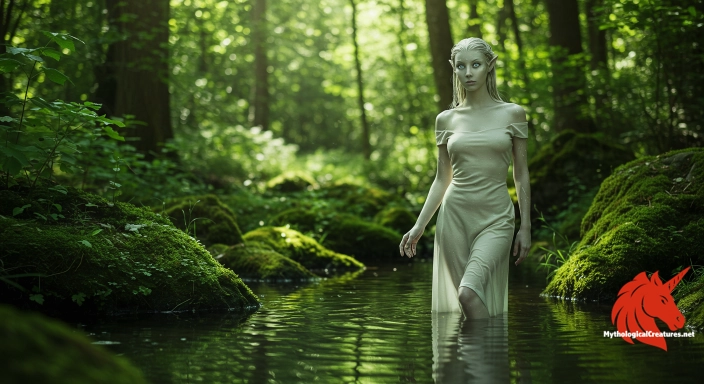
Pegaeae
Pegaeae - Their presence symbolizes the divine origin of river waters and the sacredness of natural springs.
the legend in five swipes.
the legend in five swipes.
What culture created the Pegaeae?
Within the vast tapestry of Greek mythology, the Pegaeae stand as ethereal embodiments of the natural springs that sustain life and symbolise divinely bestowed purity. Emerging from ancient traditions, these water nymphs were celebrated as essential custodians of fresh, unspoiled sources that nurtured both the land and the human spirit. They were intricately connected to the mighty river gods, serving as great aunts who forged a subtle yet powerful link between flowing rivers and their nourishing springs. Their origins are enshrouded in the mists of early Hellenic belief, where nature and divinity seamlessly converged. Life-giving and elusive, the Pegaeae were revered not only for their beauty but also for their role in maintaining the cosmic balance between water and earth. The mythic landscape of classical Greece, rich with its diverse pantheon, provided a fertile ground for their veneration and narrative evolution. These figures, though not as prominently recounted as other deities, captured the imagination of their contemporaries through fleeting allusions in art and ritual. Over time, the symbolic elegance of the Pegaeae has continued to inspire modern interpretations that celebrate the perennial bond between nature and the divine.
Pegaeae in the Historical Record
Fragments from ancient texts and obscure literary references form the foundation for much of what is known about the Pegaeae. Early poets and mythographers offered brief mentions that, while scarce, hint at their profound association with the rejuvenating properties of spring water. Some accounts, possibly embedded in lost hymns and local legends, position these naiads as primeval entities intertwined with the genesis of river gods. Variations in textual evidence highlight how different regions may have adapted or expanded upon their characteristics to suit local spiritual narratives. Several minor sources suggest that these water nymphs not only presided over their individual springs but were also part of wider familial networks within the divine aquatic realm. There exists a complexity in the layer of their myth, as certain local cult traditions have preserved individual nuances that differ from the handful of canonical references. The multiplicity of story variants underscores the fluid nature of oral tradition in ancient Greek culture. Modern scholars piece together these fragmentary sources to construct a composite picture that, while inevitably incomplete, has enriched our understanding of these elusive beings.
The Appearance and Powers of the Pegaeae
The Pegaeae are often envisioned as ethereal figures whose physical form mirrors the delicate, transient beauty of spring water itself. Their appearance is marked by an almost translucent glow, as if each nymph were lit from within by the soft radiance of the early morning light. They are typically depicted with long, flowing hair that cascades in delicate waves, echoing the gentle movement of water over smooth stones. Their eyes are said to reflect the crystalline clarity of a mountain stream, suggesting both depth and a serene wisdom. Around them, an aura of fluid elegance and natural vibrancy enhances their otherworldly charm. Artistic renditions frequently show them in garments that seem to meld seamlessly with the liquid medium, reinforcing their intrinsic bond with the essence of fresh water. Despite a universally celebrated beauty, slight variations in iconography hint at regional differences and the dynamic nature of their myth. Through these visual narratives, the Pegaeae have come to represent not only the aesthetic allure of their element but also its inherent strength and vitality.
The Local Faces of the Pegaeae
Across the diverse landscape of ancient Greece, the depiction of the Pegaeae was tailored to reflect local geographic and cultural identities. In certain Aegean locales, these nymphs were closely linked to volcanic springs, where the raw energy of the earth imparted an almost mystic quality to their character. In the rugged highlands, local traditions celebrated them as guardians of secluded water sources that sustained isolated communities amidst harsh terrain. Meanwhile, settlers in fertile river valleys integrated the Pegaeae more deeply into the familial tapestry of water deities by merging their identities with those of local spring and river guardians. Varying local iconographies revealed distinctive features, such as regional dress styles and natural motifs, that underscored the unique environmental influences at play. Some communities even adapted the narrative of the Pegaeae to reflect the seasonal cycles and natural rhythms specific to their region. These local adaptations enriched the broader mythological framework by infusing it with culturally specific symbols and stories. The result was a mosaic of regional expressions that maintained a collective reverence for water while highlighting the nuanced interactions between nature and regional identity.
The Global Cousins of the Pegaeae
A cross-cultural exploration reveals that the essence of the Pegaeae resonates with water spirit archetypes found in many different traditions. Their refined role as nurturers of life finds significant parallels in the Roman Camenae, who similarly presided over the mystique of sacred springs and inspired poetic muse. Celtic myth, too, offers comparable water entities whose presence in lochs and fens underscores a universal reverence for the life-sustaining properties of water. These analogous figures, though varied in detail and temperament, collectively celebrate the inherent divine vitality of fresh water. While the Slavic rusalki and other such entities may possess edgier attributes or ambiguous temperaments, the core motif of water as a conduit of spiritual energy remains evident. East Asian traditions also offer water deities who, like the Pegaeae, merge aesthetic beauty with profound natural significance. These interwoven themes across different mythologies highlight a common human inclination to sanctify and personify water. In this comparative analysis, the Pegaeae not only stand as guardians of natural springs but emerge as part of a broader, cross-cultural narrative that venerates water as a fundamental life force.
What happened to the legend of the Pegaeae?
The historical journey of the Pegaeae reflects a transformation from ephemeral mythic figures to enduring symbols of nature’s transcendent beauty. With the revival of classical lore during the Renaissance, these water nymphs were reimagined in art and literature as emblems of purity and the ineffable qualities of spring water. Over centuries, their myth has been adapted to resonate with shifting cultural values, particularly as society has come to appreciate nature’s fragility alongside its vitality. In modern literary and artistic circles, the Pegaeae have often been invoked as allegories for environmental renewal and the importance of preserving natural resources. Contemporary reinterpretations frequently emphasise their role as gentle guardians whose subtle presence reminds us of the intrinsic link between water and life. This evolution in representation mirrors broader cultural shifts that advocate a harmonious coexistence between humanity and the natural world. The enduring charm of the Pegaeae continues to spark creative endeavours and enrich discussions on ecological sustainability and mythic symbolism. Thus, they persist not merely as relics of ancient myth but as vibrant, dynamic figures who inspire renewed reflections on the sacred nature of water in a modern context.
Interesting Fact
An interesting observation is that the very name 'Pegaeae' is derived from the Greek word for 'spring', underscoring their fundamental association with water.
Mythological Treasures
Greek Myths: A field guide to the monsters of ancient Greece
Every monster here earned its place in legend, and each gets a full page of artwork and the story behind it.
Chinese Beasts: A field guide to the dragons and demon kings of Chinese myth
From river dragons to demon kings, with the legends that shaped five thousand years of storytelling.
Japanese Yokai: A field guide to the spirits and demons of Japanese folklore
Fifteen spirits, with the signs to watch for and what the old tales say to do if you meet one.
the legend in five swipes.
Mythology-aligned partners
Showcase your myth-friendly brand here
Run a store, studio, or platform that lives in the world of myth and folklore? A curated sponsor panel on these pages may fit.
Explore partnership optionsQuick Creature Info
Origin:
Associations:
Our Mythic Legendary Rating:

Also Sometimes Known As:
Habitat:
Supernatural Powers:
Physical Attributes:
Abilities:
Behavior:
Lore:
References
Discover Another Mythical Legend You May Not Have Heard Of?
Uncover the mysteries of ancient folklore and expand your knowledge of legendary beings from cultures around the world.
Dare to Meet the Laelaps....
-ca742f47-4da5-4119-b1f2-984ac8bb12a6_small.webp "Depiction of Laelaps")
The Mythological Creatures Book Series
Yokai, Greek, Norse, Egyptian & Chinese. Five illustrated field guides to the creatures the old stories either warned or told you about.


Curated by the Mythological Creatures Team
Series editor: Mythological Creatures Directory
Primary desk: Hellenic & Ancient Mediterranean Desk
(rev. November 2025)