
Phalanx: Phalanx is a minor figure in Attic Greek mythology, known as the brother of Arachne.
-8de28990-c623-42da-adf3-bc7d2138f92b_small.webp "Phalanx - Represents the perils of hubris and the consequences of defying divine authority in Attic society")
Phalanx
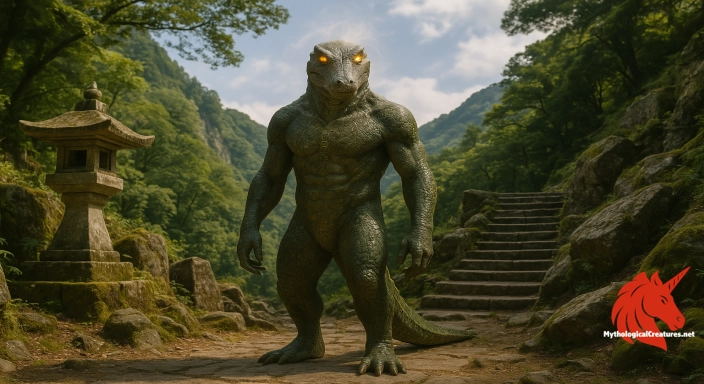
Phalanx - Represents the perils of hubris and the consequences of defying divine authority in Attic society
Origins & First Encounters
Phalanx emerges as a lesser-known yet fascinating figure within Attic myth, whose story intertwines with the celebrated narrative of Arachne. His name, meaning 'spider' in ancient Greek, immediately evokes the imagery of intricate webs and divine retribution. As a sibling to Arachne, he is portrayed as part of a familial defiance that shocked the divine order. Born into an era when the sacred and the mortal worlds intermingled freely, his tale reflects both human ambition and the severe consequences of breaking societal taboos. Early attestations of his existence are sparse, suggesting that his story may have been part of oral traditions later captured in fragmented texts. In an Attic cultural context, the myth of Phalanx serves as a somber reminder of the harsh penalties meted by the gods for hubris. His narrative underscores the delicate balance between artistic skill and humility expected by deities like Athena. Although he occupies only a minor role compared to Arachne, his presence enriches the myth by adding layers of familial and moral complexity.
Source Texts & Tale Variants
The tale of Phalanx is interwoven with the more extensively documented myth of Arachne, yet his individual narrative is preserved in only a handful of ancient texts. Some rare Attic sources hint at his role as a transgressor who shared in the curse inflicted by the goddess. Such sources, though limited in number, offer intriguing variants that differ from the mainstream version of the myth. In one rendition, Phalanx’s actions in tandem with Arachne amplify the discontent of the divine, suggesting that familial collaboration in defiance was particularly grievous. Other fragments intimate that his story was utilized as a cautionary supplement in didactic discourses about pride and the boundaries of mortal capabilities. Over time, scholarly commentaries have pointed out that his sparse mentions highlight the intricacies of myth evolution in ancient Athens. Some later folklore recensions even suggest that his fate echoed broader thematic concerns, such as the consequences of overreaching ambition. Though primary sources remain obscure, the enduring curiosity surrounding his character ensures that his variant narratives continue to spark academic debate.
Form & Powers
Despite the myth’s emphasis on moral and thematic elements, depictions of Phalanx hint at a striking physical symbolism. His human form is often subtly interlaced with arachnid motifs that allude to his name and its literal meaning of 'spider.' Classical artistry suggests that he might have possessed a slim, agile silhouette, with elongated limbs that evoke the delicate structure of a spider’s legs. Some depictions hint at an almost spectral quality around his figure, where shadows merge with form in a manner reminiscent of a spider’s web. His countenance is portrayed with an enigmatic expression, as if marked by the remorse and inevitability of divine punishment. In certain interpretations, intricate patterns—perhaps symbolic markings or tattoos—trace the contours of his body, reinforcing his connection to the weaving arts. His eyes, described in poetic accounts, are said to glimmer with both defiance and despair, hinting at the internal turmoil of his fate. These physical descriptions, though scant in direct ancient sources, allow modern interpreters to visualise a deeply symbolic character caught between human frailty and mythic inevitability.
Regional Faces
While the myth of Phalanx is rooted in the traditions of Attica, regional variations have coloured his character in subtle yet intriguing ways. In some Aegean islands, storytellers integrated his figure with local themes of misfortune and divine retribution, endowing him with unique local attributes. Certain Ionian traditions emphasise his role as a collateral victim of societal and divine laws, presenting him as a cautionary embodiment of familial transgression. In regions where weaving and textile arts held symbolic value, his connection to the motif of the spider was amplified by local artisanal practices. The character of Phalanx sometimes merged with regional folk tales that discuss the perils of pride and the sanctity of communal harmony. Local adaptations also depict him with additional supernatural features that resonate with indigenous beliefs about transformation and fate. His portrayal in these varied narratives often reflects a community’s attempt to reconcile the divine with everyday human errors. Thus, while his myth remains fundamentally anchored in Attic culture, regional reinterpretations have enriched his character with diverse layers of local significance.
Cultural Parallels
When examined alongside other mythological figures, Phalanx serves as a compelling counterpoint to narratives of divine punishment and transformation. His story draws subtle parallels with figures from other traditions whose defiance against cosmic order results in metamorphosis, much like the narratives found in Eastern folklore. The motif of a transfigured being, especially one linked to arachnid symbolism, finds echoes in the myth of the Navajo Spider Woman and other cultural depictions of weaving deities. In such diverse cultures, the spider is universally seen as both a creator and a harbinger of retribution, mirroring Phalanx’s tangled fate. Comparative studies also reveal similar themes in sibling pairs from various mythologies who are jointly punished for overreaching, underscoring a widespread belief in the sanctity of familial duty. His myth contrasts sharply with heroic narratives by emphasizing the peril of subtle, everyday transgressions. This comparison highlights the delicate interplay between human ambition and divine order that transcends geographical boundaries. In a broader cultural context, Phalanx’s tale supplements the repertoire of mythic cautionary legends found across the Mediterranean and beyond.
Legacy & Modern Evolution
The evolution of Phalanx’s myth reflects a broader tendency in ancient storytelling to embed moral lessons within familial narratives. Over the centuries, the character of Phalanx has gradually receded into the background of the more prominent Arachne myth, yet his legacy endures as a symbol of the perils of defying divine will. In later artistic renditions, especially during the Renaissance, subtle references to his fate emerged as allegories for the consequences of hubris. Modern reinterpretations in literature and visual arts have rediscovered his story as a poignant testament to the fragile balance between human pride and divine authority. Contemporary scholars, while examining the layers of the Arachne myth, increasingly acknowledge Phalanx as a vital, if understated, voice in the dialogue on morality and fate. His story, though brief in ancient sources, is now seen as part of a mosaic that reflects broader societal anxieties and ethical dilemmas. Artistic adaptations have reimagined his transformation as a metaphor for personal and cultural metamorphosis. As renewed interest in mythological revisionism spreads across academic and creative fields, Phalanx remains a subtle yet enduring figure in the tapestry of classical myth, inviting both analysis and artistic exploration.
Interesting Fact
Despite being a relatively obscure figure, Phalanx's narrative deepens the myth of Arachne by highlighting the collateral consequences of mortal hubris and the intricate relationship between familial ties and divine retribution.
For publishers and studios
Your next readers are already here
Many of our visitors are looking for books, campaigns, and resources that deepen their journey into myth. Position your title or setting here.
Discuss a placementQuick Creature Info
Origin:
Features:
Associations:
Our Mythic Legendary Rating:

Habitat:
Supernatural Powers:
Physical Attributes:
Abilities:
Behavior:
Lore:
Related Creatures, Tales or Lore
- AArachne
- AAnansi
- SSpider Woman
References
Discover Another Mythical Legend You May Not Have Heard Of?
Uncover the mysteries of ancient folklore and expand your knowledge of legendary beings from cultures around the world.
Dare to Meet the Konpira Gongen....
Curated by the Mythological Creatures Team
Series editor: Mythological Creatures Directory
Primary desk: Hellenic & Ancient Mediterranean Desk
(rev. November 2025)