
Podarge: Podarge is a Greek mythological harpy known as 'swift-foot', celebrated for her embodiment of the swift wind.
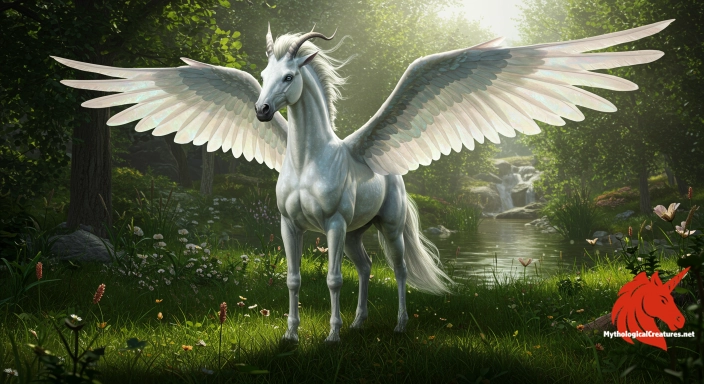
Podarge
Podarge - Podarge embodies the personification of swift wind and plays a crucial role as the mother of divine horses, linking the realms of nature and the divine.
the legend in five swipes.
the legend in five swipes.
The Earliest Known Accounts of Podarge
Podarge stands as a captivating figure in Greek mythology, celebrated for her swift-footed nature and close association with the elemental forces of the wind. Born from the rich interplay between the divine and the natural world, she embodies the vibrant energy of a gust that sweeps swiftly across the land. Her name, which translates to 'swift-foot', speaks directly to her remarkable ability to move with breathtaking speed. Often depicted as a harpy, her myth interlaces with the legends of Zephyrus, the West Wind, establishing a deep connection with nature’s unpredictable might. Early references in classic epic poetry cement her role as both a messenger of the gods and a symbol of untamed kinetic power. The intricate tales of her lineage, which include the miraculous birth of the divine horses gifted to Achilles, further highlight her dual role as nurturer and instigator. In ancient Greek cultural contexts, her presence was not merely a story of speed but also a reflection on the dynamic forces that shape human life and destiny. The evolving narratives surrounding Podarge have influenced generations of poets and artists, ensuring her legacy endures as a testament to natural beauty and divine transience. Her myth has long been a means of understanding the capricious natural world, inviting observers to marvel at the blend of human emotion and elemental force. Over time, Podarge has come to epitomise the delicate balance between the earthly and the ethereal, captivating imaginations across eras.
Which versions of the Podarge story survive?
Ancient literary sources provide a richly layered account of Podarge, with notable mentions by Homer in the epic traditions of the Iliad. Her story appears in texts that portray her as an ever-changing being, capable of assuming the swift form of a divine horse and the ethereal guise of a harpy. Lyric poets like Stesichorus have woven elaborate narratives that suggest a broader familial and relational context, highlighting her connection to other wind deities and divine entities. The multiplicity of accounts, some of which even conflate her role with that of Iris, stresses the imprecision typical of myth transmission in antiquity. Various classical authors have alluded to her progeny, with the legendary horses Balius and Xanthus standing as symbols of her swift influence. Despite discrepancies in these sources, each narrative enriches our understanding of how the ancients conceptualised the forces of nature. Fragments from different regions reveal small but significant variations, suggesting that her myth was adapted to meet local religious and cultural needs. Later reinterpretations in Roman and Byzantine literature further expanded her mythic contours, blending earlier traditions with new artistic visions. The multifaceted sources thus leave us with a mosaic that celebrates her worship as a divine embodiment of speed and transformation. This diversity in the ancient texts continues to fuel contemporary scholarly discussions about her true nature and her role within the mythological pantheon.
Podarge: Powers, Strengths and Vulnerabilities
Podarge’s physical depiction is marked by an intriguing duality that reflects her connection to both the heavens and the earth. In some classical renditions, she is portrayed as a resplendent harpy with graceful, feathered wings that capture the luminous sparkle of the sky. Other accounts reveal her capacity to assume a striking equine form, evoking the image of a swift and elegant mare grazing in tranquil meadows. The interplay of these depictions underlines her role as a creature that transcends the traditional limits of form. Artists and poets have captured her with a dynamic presence, showing eyes that sparkle with both intelligence and the untamed energy of a storm. Her figure is often rendered with smooth, flowing lines that evoke the gentle caress of a breeze and the rapid pulse of the wind. The subtle details in her portrayal—such as the shimmer on her wings or the sleek contour of her equine body—reflect a harmonious blend of the ethereal and the robust. This mutable visual identity has allowed her image to adapt across generations, each time emphasising aspects that resonate with the prevailing aesthetic and cultural moods. Her appearance, whether winged or equine, exudes an aura of divinity intertwined with the raw power of nature. Consequently, Podarge’s physical form remains as elusive and compelling as the wind itself, continually inspiring new artistic interpretations.
Where in the world is Podarge known?
Although Podarge is originally a figure of ancient Greek lore, her myth has traversed regional boundaries and adapted itself to various local cultural contexts. In the heart of Greece, she is primarily seen as a personification of the swift west wind, an embodiment of natural forces that reverberate through coastal and rural communities alike. In some parts of Asia Minor, intermingling with indigenous mythologies, her attributes were blended with those of local wind deities, thereby acquiring additional layers of ritual significance. During the Hellenistic period, as Greek culture spread throughout the Mediterranean, regional legends began incorporating her narrative into local traditions and festive rites. Byzantine artistic traditions would sometimes allude to her presence through symbolic motifs representing movement and change. Local adaptations often softened her more fearsome aspects, presenting her instead as a benevolent intermediary whose agile presence heralded seasonal shifts. Folk traditions across various Mediterranean cultures have occasionally invoked her spirit during celebrations that praised the favour of the winds. In these diverse interpretations, the core idea of swiftness and transformation remained consistent, even as details of her lineage and form were adapted to suit local tastes. As a result, Podarge’s myth serves as a prime example of how ancient symbols can evolve to reflect the cultural priorities and spiritual insights of different regions. The regional variations of her story underscore the timeless appeal of her character across geographical and cultural divides.
The Global Cousins of Podarge
Podarge’s myth finds intriguing echoes across a broad spectrum of world mythologies, establishing her as part of a global narrative on divine speed and transformation. In Roman traditions, similar motifs can be found in the depictions of swift-footed deities who govern the forces of wind and change. Her dynamic nature has parallels with other messengers of the gods, such as Hermes, whose own iconography celebrates rapid movement and the crossing of realms. The archetype of a winged or rapid-moving creature appears in numerous cultures, underlining a common human fascination with swift, ethereal beings that defy mortal limitations. In Norse mythology, for example, the conception of otherworldly steeds like Sleipnir similarly symbolises the blend of power and transcendence celebrated in Podarge’s myth. Furthermore, figures resembling harpies or swift wind spirits appear in Celtic and Slavic folklore, each embodying the unpredictable temperament of nature. Such comparative analysis highlights that the qualities of speed, transformation, and divine mystery are universal, transcending the boundaries of any single cultural tradition. Podarge’s ability to harmonise avian grace with equine vigour uniquely positions her among these mythical archetypes. This synthesis of attributes invites comparisons that not only deepen our understanding of her own narrative but also illuminate broader themes in comparative mythology. Overall, her story stands as a testament to the enduring appeal of metaphors for natural force and divine motion around the globe.
How is Podarge remembered today?
The myth of Podarge has evolved considerably over the centuries, gradually shifting from a strict embodiment of divine speed to a symbol of constant transformation and ephemeral beauty. Early depictions emphasised her fearsome yet awe-inspiring nature, tying her forever to the raw, unbridled forces of the wind. During the Renaissance, a rekindling of classical inspirations led artists to explore new themes, imbuing her image with an elegance that balanced her tempestuous origins with a refined grace. In contemporary times, Podarge appears not only in scholarly discussions but also in modern artistic endeavours, ranging from graphic novels to fantasy literature that reimagine mythic narratives for new audiences. Her association with legendary horses and swift reactions has lent her name to modern symbols of agility and transformational energy, resonating with ideas of rapid change in technology and society. The evolution of her myth reflects broader shifts in cultural attitudes, where ancient symbols are repurposed to express modern themes. Today, she is often celebrated as a muse of creativity in contexts that appreciate both the fleeting nature of beauty and the relentless drive of progress. Digital art and multimedia projects have reinterpreted her multifaceted nature to explore contemporary issues related to nature and transcendence. The enduring appeal of Podarge lies in her capacity to embody the rhythmic pulse of the natural world, a quality that continues to inspire and captivate artists and audiences worldwide. Her legacy, therefore, serves as a bridge between the timeless realm of myth and the innovative spirit of modern expression.
Interesting Fact
An intriguing aspect of Podarge is the persistent confusion in ancient sources regarding her identity, particularly with Iris, the rainbow goddess and her purported sibling, which reflects the complex and interwoven relationships typical of Greek mythology.
Mythological Treasures
Greek Myths: A field guide to the monsters of ancient Greece
Every monster here earned its place in legend, and each gets a full page of artwork and the story behind it.
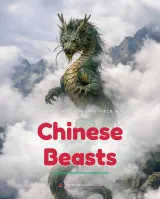
Chinese Beasts: A field guide to the dragons and demon kings of Chinese myth
From river dragons to demon kings, with the legends that shaped five thousand years of storytelling.
Japanese Yokai: A field guide to the spirits and demons of Japanese folklore
Fifteen spirits, with the signs to watch for and what the old tales say to do if you meet one.
the legend in five swipes.
For indie creators
Give your myth project a permanent home
Indie authors, artists, small studios, and makers can secure an annual, non-intrusive sponsor slot that meets readers where they explore.
Obtain more informationQuick Creature Info
Origin:
Associations:
Our Mythic Legendary Rating:

Also Sometimes Known As:
Habitat:
Supernatural Powers:
Physical Attributes:
Abilities:
Lore:
References
Discover Another Mythical Legend You May Not Have Heard Of?
Uncover the mysteries of ancient folklore and expand your knowledge of legendary beings from cultures around the world.
Dare to Meet the Monyohe....
-67aab6b5-9c13-4eb3-bf41-94e1564ca1b6_small.webp "Depiction of Monyohe")
The Mythological Creatures Book Series
Yokai, Greek, Norse, Egyptian & Chinese. Five illustrated field guides to the creatures the old stories either warned or told you about.

Curated by the Mythological Creatures Team
Series editor: Mythological Creatures Directory
Primary desk: Hellenic & Ancient Mediterranean Desk
(rev. November 2025)