
Púca: The púca is an enigmatic shape-shifting spirit from Irish and British folklore.
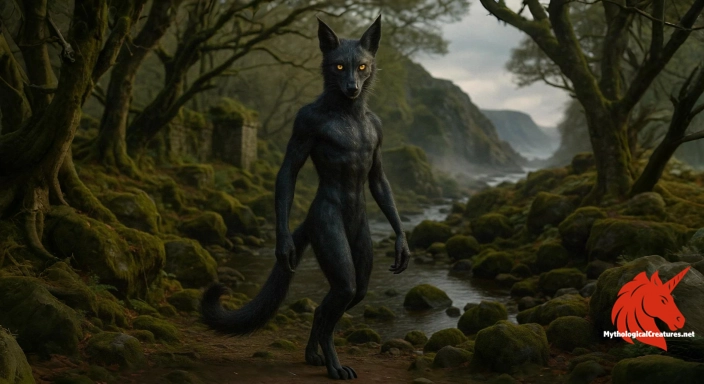
Púca
Púca - Embodies the duality of fortune and misfortune, reflecting the unpredictable nature of fate in rural and maritime communities.
the legend in five swipes.
the legend in five swipes.
The Origin Story of the Púca
The púca is a captivating figure from Celtic and English folklore, celebrated for its enigmatic presence and dual nature. It first emerged from a rich tapestry of Celtic myth, where it was woven into the fabric of rural life and natural landscapes. Its origins are deeply rooted in oral traditions that have been passed down through generations, making its early attestations a blend of myth and mystery. Over time, the púca evolved into a symbol of both benevolence and mischief, mirroring the unpredictable forces of nature. The creature has long been admired and feared, as it was believed to have the power to bestow fortunes or misfortunes upon those it encountered. Folktales often recount encounters that leave individuals questioning whether the spirit intended to help or harm. The cultural context of the púca highlights the human endeavour to explain the inexplicable moments in everyday life. Its enduring presence in folklore speaks volumes about the community’s respect for the wild, untamable essence of nature and the supernatural world. The lore surrounding this creature has expanded across regions, adapting to new cultural narratives while remaining true to its elusive legacy. Even in modern retellings, the púca continues to intrigue those who explore the intersection of myth and reality.
How did the story of the Púca change over time?
Ancient manuscripts and oral recitations are the primary vessels that have carried the legend of the púca through the ages. Early folkloric narratives, often recorded in subtle and metaphorical language, depict it as a capricious spirit influencing the fortunes of rural and maritime communities. Various texts from medieval Ireland and the Channel Islands have alluded to its presence, though details tend to vary from one storyteller to another. Many of these narratives were originally part of a vibrant oral tradition, making them malleable and richly diverse in their telling. Folklore collections compiled in the modern era have sought to document multiple versions, from benevolent guardian to unpredictable trickster. Some accounts merge the púca with other local supernatural beings, introducing layers of ambiguity to its character. Contemporary compilations of folklore have preserved its multiplicity of forms, reflecting the ever-changing nature of myth itself. The diversity found in these sources underscores the dynamic and multifaceted identity of the púca.
How would you recognise the Púca?
The physical depictions of the púca are as fluid as its nature, often changing with the intent of the narrative. It is commonly portrayed with either dark or white fur, a detail that hints at its dual capacity for benevolence and malevolence. Some descriptions focus on its ability to transform into various animals, ranging from horses with sleek, lustrous coats to goats with a wild, untamed countenance. Other accounts speak of forms that resemble cats, dogs, or even hares, each variant emphasising a particular aspect of its mischievous personality. When assuming a human guise, the spirit is noted for retaining subtle animalistic features such as pointed ears or a delicate tail. The fluidity in its anatomy not only reflects its shape-shifting ability but also symbolises the elusive boundary between the human and the supernatural. In some tales, the púca’s size is depicted as comparable to a large domestic creature, while in other narratives it may appear both diminutive and colossal. Its striking physical attributes serve to remind onlookers of the inherent unpredictability of nature and the ever-changing rhythms of life.
What regional forms of the Púca exist?
Across different regions, the púca takes on distinctive characteristics that mirror local cultural landscapes and legends. In Ireland, where the figure is most famously known as the púca, it is revered as a mystical presence interwoven with the rhythms of the countryside, often appearing in natural settings such as fields and forests. In England, the creature is more commonly referred to as the puca and is frequently depicted as a mischievous goblin-like entity that delights in playing tricks on unsuspecting humans. The Channel Islands have their own oral traditions, where the lore of the púca has been adapted to include maritime influences and coastal narratives. Variants of the myth in Wales and Scotland exhibit subtle differences, sometimes aligning the spirit with broader faerie traditions prevalent in those areas. Regional adaptations often emphasise local elements, whether it be the lush rural settings of Ireland or the rugged maritime backdrops of the British coast. The variations in its portrayal speak to how communities have historically used the figure to explain the unpredictable moments in their particular environments. These disparate regional narratives collectively contribute to a rich mosaic that portrays the púca as a deeply embedded cultural phenomenon.
Do other traditions know the Púca by another name?
Examining the lore of the púca alongside similar mythical beings reveals intriguing cultural and mythological intersections. The spirit’s reputation for both benevolence and mischief finds a parallel in the character of Puck from English literature, whose playful yet unpredictable nature has captured imaginations for centuries. In several European traditions, the púca shares qualities with various trickster entities such as the German kobold or the Scandinavian tomte, each emblematic of a liminal existence between human society and nature. The ability to shape-shift, a hallmark of the púca, is a motif that resurfaces across global mythologies, including Native American and African legends, thereby connecting disparate cultural narratives through shared symbolism. These comparisons underline a universal human fascination with beings that challenge the very notions of stability and normalcy. Much like other faerie or goblin figures, the púca embodies the unpredictable interplay of fortune and misfortune, reflecting a deep-seated cultural ambivalence towards the supernatural. The cross-cultural similarities emphasise how mythic figures can evolve from local spirituality into globally recognised icons of the mysterious and the marvelous. Such comparative analysis provides valuable insights into how different societies understand and symbolise the forces that shape their lives.
The Lasting Influence of the Púca
Throughout history, the púca has undergone a remarkable evolution, mirroring broader shifts in cultural attitudes towards the supernatural. Initially portrayed as a mysterious force of nature that could both bless and curse, its image was deeply embedded in the daily lives of rural communities. As the centuries passed, the creature’s attributes were reinterpreted in various forms of art and literature, reflecting changing social and philosophical perspectives. During the Romantic period, the púca emerged as a symbol of the untamed and the wild, representing the sublime interplay between nature and human desire. Modern interpretations often draw on both its mischievous charm and its darker, more enigmatic aspects, ensuring that the legacy of the púca remains ever-relevant. Contemporary media, including theatre, film, and fantasy literature, regularly feature transformations of the legend that invite viewers to explore the boundaries between reality and myth. This ongoing reinterpretation has allowed the púca to maintain its allure while adapting to modern sensibilities. Ultimately, the modern legacy of the púca stands as a testament to the enduring power of myth in shaping cultural identity and provoking imaginative thought.
Interesting Fact
One fascinating aspect of the púca is its enduring legacy in folklore, where its ability to change form symbolizes the ever-changing nature of fate and fortune.
Mythological Treasures
Japanese Yokai: A field guide to the spirits and demons of Japanese folklore
Fifteen spirits, with the signs to watch for and what the old tales say to do if you meet one.
Greek Myths: A field guide to the monsters of ancient Greece
Every monster here earned its place in legend, and each gets a full page of artwork and the story behind it.
Norse Sagas: A field guide to the beasts of the Viking world
Drawn from the saga accounts themselves, with the powers, weaknesses and doom of each being set out.
the legend in five swipes.
Reach myth fans
Connect your myth-driven brand with this audience
Our readers are writers, educators, gamers, and collectors who care about mythology. Enquire about a limited sponsor placement on creature pages.
Enquire about sponsorshipQuick Creature Info
Features:
Our Mythic Legendary Rating:

Also Sometimes Known As:
Habitat:
Supernatural Powers:
Physical Attributes:
Abilities:
Behavior:
Lore:
References
Discover Another Mythical Legend You May Not Have Heard Of?
Uncover the mysteries of ancient folklore and expand your knowledge of legendary beings from cultures around the world.
Dare to Meet the Nephilim....

The Mythological Creatures Book Series
Yokai, Greek, Norse, Egyptian & Chinese. Five illustrated field guides to the creatures the old stories either warned or told you about.
Curated by the Mythological Creatures Team
Series editor: Mythological Creatures Directory
Primary desk: Northern & European Folklore Desk
(rev. November 2025)