
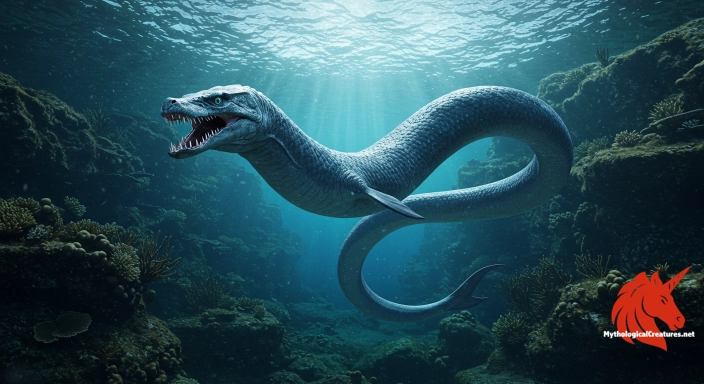
Shen: Shen is a mythological Chinese creature known for its dual nature as both a dragon and a shellfish-type sea monster.

Shen
Shen - Embodies the fluidity of form and reality in Chinese folklore, symbolising transformation and the deceptive nature of appearances.
the legend in five swipes.
the legend in five swipes.
Shen: First Encounters and Early Records
The shen emerges from a tapestry of ancient Chinese lore as an enigmatic creature whose origins span both the mundane and the mystical. It is recognised as a shapeshifting beast, blending the qualities of a dragon with those of a large, shell-like clam. Early accounts illustrate the shen as a denizen of both the deep seas and the hidden realms of mists, where it is believed to produce mirages that confound and captivate observers. Rooted in early mythological traditions, the creature first appears in narratives that intertwine natural wonder with spiritual symbolism. Its dual nature embodies the unpredictable temperament of water and the majestic power of dragons, which have long symbolised authority and transformation in Chinese culture. The shen’s ability to shift forms speaks to its role as a mediator between visible reality and the illusory, evoking a sense of wonder in its audience. Over time, its depictions have drawn on both poetic allegory and detailed natural observation, reflecting the complexity of its character. Local communities have imbued it with traits that oscillate between caution and reverence, highlighting its liminal position in the natural world. In doing so, the shen continues to intrigue and inspire, standing as a testament to the fluid boundaries between myth and nature.
The Documented Accounts of the Shen
Ancient manuscripts and classical texts subtly reference the shen through allegorical descriptions that have endured over centuries. Early accounts in Chinese compendiums, even when not explicitly named, allude to a creature with qualities that resonate with what modern interpretations identify as the shen. Oral traditions passed through generations have preserved vivid, if sometimes contradictory, images of the creature’s abilities and demeanour. Folkloric narratives, recounted in rural and coastal communities alike, paint the shen as a being capable of both wonder and mischief. In various regional tales, its appearance often heralds a shift in natural forces, emphasising its role in regulating or portending environmental changes. Art and ritual have also served as mediums to transmit its legend, with local festivals and temple iconography occasionally invoking its presence. Some recorded versions detail dramatic encounters at sea or by remote lakes, in which the shen’s mirage-inducing prowess becomes a central motif. Even where textual records are sparse, the cumulative oral heritage ensures that the creature’s myth remains dynamic and multifaceted. These varied sources together create a composite picture that underscores the shen’s enduring impact on the cultural imagination.
What could the Shen do?
The physical form of the shen is a study in mythical duality, merging the sinuous elegance of a dragon with the robust, otherworldly characteristics of a shellfish. It is often depicted with an elongated, undulating body that echoes the fluidity of water, adorned with iridescent scales that shimmer like polished pearls. Detailed illustrations suggest that its head carries a regal yet mysterious aura, with eyes that gleam as if lit from within by an ethereal light. Fins and spiny protrusions along its back provide hints of its aquatic nature, their colours shifting from deep blues to vibrant reds as they catch the light. Some descriptions offer that it possesses delicate, claw-like appendages which belie its otherwise formidable presence. Variations in its size are noted, ranging from modest, almost hidden forms to colossal entities that dominate the horizon. The texture of its skin is frequently likened to that of ancient armour, resilient and reflective, capable of mirroring the surrounding elements. Intricate patterns across its form are interpreted as symbolic representations of natural cycles and cosmic order. Overall, the shen’s appearance is one that balances grace with power, captivating the observer with its mysterious blend of softness and strength.
How did location shape the story of the Shen?
In different parts of China, the shen is portrayed with nuances that reflect regional environmental influences and cultural priorities. Coastal communities, with their intimate relationship to the sea, often describe the shen as a benevolent guardian of mariners and fishermen, whose mirages serve as omens or gentle warnings. Inland, however, the creature is sometimes seen as a capricious spirit whose elusive nature mirrors the unpredictable mists in mountainous terrains. In northern locales, it is not uncommon for local legends to merge the shen with pre-existing water deities, resulting in a creature that embodies aspects of both protection and retribution. Rural folklore typically adapts its image to local lore, where its presence might be invoked during seasonal rituals or agricultural rites. In regions steeped in riverine traditions, the shen’s fluid form symbolises the cyclic nature of life and the constant renewal of water. Communities have also, over time, interwoven their own distinctive cultural symbols with the shen’s myth, thereby tailoring the creature’s narrative to their local identity. Beyond China, similar aquatic creatures influenced by the shen’s imagery have appeared in the folklores of neighbouring East Asian cultures, albeit with adjustments to suit their environmental symbolism. This regional diversity ensures that the shen remains a mutable and richly localised figure within the broader tapestry of myth.
How does the Shen legend compare worldwide?
The shen shares thematic resonance with a multitude of mythical beings across different cultural landscapes. Its unique ability to create mirages places it alongside creatures in other traditions that blur the boundaries between reality and illusion. European folklore, for instance, offers sea monsters whose deceptive appearances have long spurred both awe and caution, drawing a subtle parallel with the shen’s ephemeral manifestations. Similarly, the dragon motifs prevalent in East Asian myth bear resemblance to its form, emphasising power, wisdom, and the mastery over natural elements. In the traditions of indigenous American cultures, water spirits are often portrayed as tricksters or guardians with the power to transform, echoing the shen’s dualistic nature. Hindu mythology, with its serpentine deities and cosmic symbolism, offers further points of comparison, highlighting a shared fascination with creatures that inhabit the liminal spaces between worlds. Some Norse myths also incorporate transformative sea beings, weaving narratives that explore the interplay of natural chaos and order. These cultural parallels underscore a universal human fascination with beings who exist in the interstices of the seen and unseen worlds. As a result, the shen stands as both a product of its own rich tradition and a representative figure within the broader realm of global mythological archetypes.
Where do you see the Shen today?
Over the centuries, depictions of the shen have evolved in response to changing cultural and artistic sensibilities. Its early portrayals, rooted in ancient texts and oral tradition, cast it as a formidable yet enigmatic presence in the natural world. With the advent of modern artistic reinterpretations, the shen has been reimagined through various media, including literature, cinema, and digital art. Contemporary artists often emphasise its shapeshifting attributes, aligning the creature with themes of transformation and the transient nature of reality. In modern folklore and popular culture, the shen is frequently portrayed as a complex symbol that embodies both environmental mystery and the enduring power of myth. This evolution reflects a broader trend in which traditional figures are reassessed to address current ecological and sociopolitical contexts. As debates about heritage preservation and environmental stewardship gain prominence, the shen’s role is increasingly seen as a reminder of nature’s unpredictable yet majestic force. Festivals and cultural exhibitions in parts of East Asia often feature reinterpretations of the creature, celebrating its vibrant legacy and its relevance in the contemporary world. Through these adaptations, the shen continues to inspire awe and reflection, bridging ancient myth with modern imaginative expression.
Interesting Fact
An intriguing aspect of Shen is its dual identity, seamlessly merging attributes of both dragons and shellfish, which mirrors the complex symbolism of transformation and illusion in Chinese folklore.
Mythological Treasures
Chinese Beasts: A field guide to the dragons and demon kings of Chinese myth
From river dragons to demon kings, with the legends that shaped five thousand years of storytelling.
Greek Myths: A field guide to the monsters of ancient Greece
Every monster here earned its place in legend, and each gets a full page of artwork and the story behind it.
Norse Sagas: A field guide to the beasts of the Viking world
Drawn from the saga accounts themselves, with the powers, weaknesses and doom of each being set out.
the legend in five swipes.
For authors, artists, and makers
Created something from the realm of myth?
If your book, deck, game, or artwork draws from legendary creatures and lore, you can showcase it here in a tasteful, year-round placement.
Share your projectQuick Creature Info
Associations:
Our Mythic Legendary Rating:

Also Sometimes Known As:
Habitat:
Supernatural Powers:
Physical Attributes:
Abilities:
Behavior:
Lore:
Related Creatures, Tales or Lore
- CChinese Dragon
- NNaga
- QQuetzalcoatl
References
Discover Another Mythical Legend You May Not Have Heard Of?
Uncover the mysteries of ancient folklore and expand your knowledge of legendary beings from cultures around the world.
Dare to Meet the Sea serpent....
The Mythological Creatures Book Series
Yokai, Greek, Norse, Egyptian & Chinese. Five illustrated field guides to the creatures the old stories either warned or told you about.
Curated by the Mythological Creatures Team
Series editor: Mythological Creatures Directory
Primary desk: Asian & Pacific Myth Cycles Desk
(rev. November 2025)