
Shvana: Shvana is the Sanskrit term for dog, featuring prominently in Vedic and Hindu mythology.
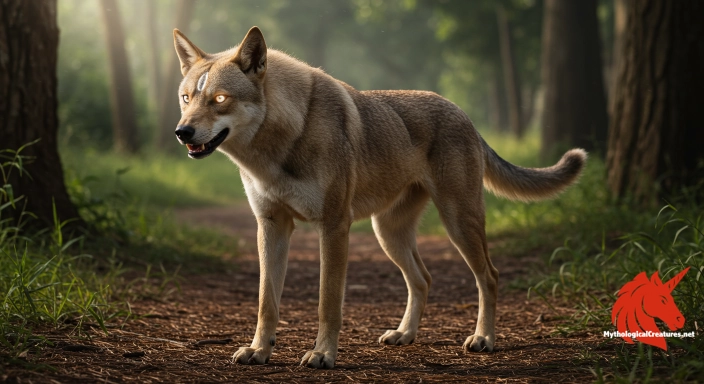
Shvana
Shvana - Shvana embodies spiritual qualities of loyalty, protection, and transformation, serving as a vital link between mortal existence and the divine realm in numerous mythological narratives.
the legend in five swipes.
the legend in five swipes.
How old is the legend of Shvana?
Shvana, the Sanskrit term for 'dog', occupies a distinctive position in ancient Indian mythology with an aura of both reverence and mystery. The concept emerges from early Vedic texts where entities associated with this term symbolize loyalty, vigilance, and a bridge between mortal and divine realms. It first appears in hymns that highlight the role of canines as protectors and guides, entwining cosmic duties with everyday fidelity. Mythic narratives depict these dogs as loyal companions to deities and heroic figures alike. Their presence bridges the gap between the ephemeral human experience and the eternal cosmic laws. Tales such as that of Indra’s canine, Sarama, and the faithful hound of Yudhishthira underscore this creature’s deep symbolic resonance in the spiritual landscape. The transformation of a humble canine into a divine representation of Dharma exemplifies the multifaceted character of Shvana. Ancient lore and later retellings have cemented its role as both a guardian of the afterlife and a herald of moral virtue. Over time, these narratives have evolved, reflecting changes in cultural and religious paradigms while preserving the core symbolism of loyalty and protection.
Which texts first mention Shvana?
Ancient texts such as the Rigveda provide some of the earliest attestations of Shvana through narratives involving Sarama, the divine dog of Indra. Literary sources extend into the Mahabharata, where the faithful companion of Yudhishthira is celebrated as a symbol of eternal Dharma. Multiple accounts detail how dogs transition from earthly creatures to embodiments of cosmic righteousness. Variants of these stories emerge in diverse texts that showcase the role of canines as both protectors and divine messengers. Folklore traditions enrich these accounts by imbuing Shvana with nuanced characteristics that vary with cultural context. The association of deities like Rudra, Nirriti, and Virabhadra with dogs further broadens the interpretative canvas. Alongside poetic hymns and mythic ballads, later commentaries weave intricate narratives that underline the creature’s significance. These layers of tradition, spanning both Vedic scriptures and later epic literature, attest to a rich tapestry of myth wherein Shvana is revered as a creature of both earthly loyalty and divine purpose. As a result, the textual landscape offers a multidimensional picture of Shvana that continues to inspire creative reinterpretations.
How would you recognise Shvana?
Although primary texts do not offer exhaustive physical details, traditional depictions of Shvana present an image of a creature that marries the natural with the supernatural. Artistic renditions often illustrate this divine canine with a lean, athletic build that suggests both agility and strength. The eyes are usually rendered as intense and alert, symbolising wisdom beyond the mortal realm. Varying in coat colour from deep ebony to rich tawny hues, the creature is sometimes portrayed with a lustrous sheen that hints at its celestial origins. Traditional iconography occasionally adorns the creature with subtle ornamental markings that elevate its status beyond that of an ordinary dog. The snout and ears are depicted with careful attention, emphasising acute sensory perception and readiness. Some regional styles even bestow upon Shvana the appearance of a regal guardian with a noble demeanour. Despite the scarcity of detailed anatomical descriptions in ancient literature, successive artistic interpretations have imbued it with features that reflect both earthly vitality and divine transcendence. These visual portrayals capture a delicate balance between a physical presence and an ethereal, almost otherworldly, significance.
Shvana: One Legend, Many Local Versions
The mythological form of Shvana adapts uniquely to the cultural landscapes across different regions of India. In northern traditions, the loyal dog that accompanies Yudhishthira is heralded as an emblem of steadfast virtue and moral rectitude. Southern artistic practices often feature depictions of deities like Bhairava riding a canine, imbuing the creature with an association of fierce protection and mystical guidance. Eastern interpretations sometimes blend indigenous folklore with classical narratives, creating vivid local legends that celebrate the hound as both a guardian and a spiritual intermediary. Rural and temple-based rituals further echo these themes, integrating the canine motif into community celebrations and traditional performances. Regional iconography can vary markedly, reflecting local aesthetic preferences and religious practices. In some areas, the figure is associated with protective spirits that ward off malevolent forces, while in others it is celebrated as a benign and loyal companion. Local adaptations underscore the dynamic interplay between persistent ancient symbolism and evolving cultural narratives. These diverse regional portrayals affirm that the figure of Shvana is not static but is continually reimagined to reflect local values and spiritual needs.
Do other traditions know Shvana by another name?
A cross-cultural exploration reveals intriguing parallels between Shvana and other mythological canines around the world. Echoes of its symbolic role can be found in the Greek portrayal of Cerberus, the formidable guardian of the underworld. Similar themes resonate in Native American lore where dogs often serve as guides for souls transitioning between life and the afterlife. East Asian traditions also assign protective and nurturing roles to canine figures that mirror the dual nature of earthly and divine companionship observed in Shvana. European medieval myths provide additional colour, where dogs are imbued with qualities of both loyalty and enigmatic mystery. These comparisons highlight a widespread human tendency to venerate the canine form as a mediator between the realms of life and death. The interplay of themes such as protection, guidance, and transformation is a recurrent motif that bridges disparate mythological systems. Such cultural parallels enrich our understanding of Shvana by situating it within a global context of animal symbolism. The synthesis of these diverse traditions underscores a universal affinity for recognising the dog as a potent and multifaceted mythic archetype.
How has the image of Shvana evolved?
The narrative of Shvana has evolved considerably from its early Vedic origins to its presence in modern cultural expressions. Early inscriptions and oral traditions celebrated the canine for its straightforward attributes of loyalty and vigilance. Over subsequent centuries, the myth expanded in scope, incorporating complex layers of symbolic meaning into artistic and literary works. Medieval depictions, such as in the iconography of Bhairava, shifted focus toward an integration of protective ferocity and mystical wisdom. As myth-making evolved, Shvana came to represent an enduring emblem of cosmic order and moral rectitude, transcending its physical form to embody deeper spiritual truths. Contemporary reinterpretations in literature, film, and visual arts reimagine this ancient symbol in ways that resonate with modern existential and ethical concerns. Modern rituals and festivals sometimes honour the spirit of the myth, blending ancient reverence with current cultural narratives. The legacy of Shvana persists as a dynamic bridge between the mythic past and the present, inspiring both scholarly inquiry and popular imagination. Today, the enduring imagery of a divine canine continues to evoke conversations about duty, loyalty, and the transformational power of myth in contemporary society.
Interesting Fact
It is fascinating how the archetype of the dog in Hindu mythology transcends mere animal symbolism to become a vehicle for expressing divine attributes and cosmic order.
Mythological Treasures
Norse Sagas: A field guide to the beasts of the Viking world
Drawn from the saga accounts themselves, with the powers, weaknesses and doom of each being set out.
Egyptian Legends: A field guide to the gods and monsters of ancient Egypt
Guardians of the living and devourers of the dead, with the role each played in judgement.
Chinese Beasts: A field guide to the dragons and demon kings of Chinese myth
From river dragons to demon kings, with the legends that shaped five thousand years of storytelling.
the legend in five swipes.
Mythology commerce, done carefully
Align your store with our global myth audience
If you sell myth-inspired jewellery, prints, decks, or collectibles, we can feature your brand without overwhelming the reading experience.
Partner with usQuick Creature Info
Features:
Associations:
Our Mythic Legendary Rating:

Also Sometimes Known As:
Habitat:
Supernatural Powers:
Physical Attributes:
Abilities:
Behavior:
Lore:
Related Creatures, Tales or Lore
- SSarama
- YYudhishthira's Dog
- KKhandoba's Dog
References
Discover Another Mythical Legend You May Not Have Heard Of?
Uncover the mysteries of ancient folklore and expand your knowledge of legendary beings from cultures around the world.
Dare to Meet the Mbói Tu'ĩ....
The Mythological Creatures Book Series
Yokai, Greek, Norse, Egyptian & Chinese. Five illustrated field guides to the creatures the old stories either warned or told you about.




Curated by the Mythological Creatures Team
Series editor: Mythological Creatures Directory
Primary desk: Asian & Pacific Myth Cycles Desk
(rev. November 2025)