
Simargl: Simargl is an East Slavic deity depicted as a winged dog, whose origins are debated as either a single god borrowed from the Iranian Simurgh or as two distinct deities, Sēm and Rgel.
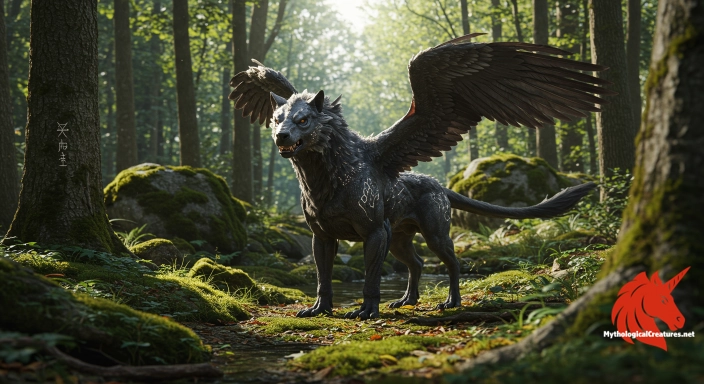
Simargl
Simargl - A debated mythological figure whose identity oscillates between a singular deity and dual deities, reflecting cultural syncretism between Slavic and Iranian traditions.
Origins & First Encounters
Simargl is an enigmatic figure embedded deeply in the fabric of East Slavic myth, renowned for its peculiar depiction as a winged dog. Its origins stir considerable debate, with early attestations hinting at an amalgamation of indigenous beliefs and external influences. The deity appears as a striking symbol of divine protection and mystical power, bridging the earthly and celestial realms. Early records, though sparse, suggest that Simargl was revered not only as a guardian but also as a harbinger of fortune and renewal. The creature's appellation, with variants such as Sībm and Rgel, has sparked discussions about whether it represents a single multilayered deity or two distinct entities merged over time. In some traditions, Simargl is portrayed as an intermediary between the gods and mankind, embodying qualities of both ferocity and benevolence. The duality of its character resonates with the inherent complexity of East Slavic spiritual life and ritual practice. Over centuries, the myth has evolved to encapsulate themes of protection, fertility, and the enduring mystique of ancient lore.
Source Texts & Tale Variants
Primary sources concerning Simargl are notably scarce, yet they have provided a foundational glimpse into its mythic role in ancient East Slavic culture. Early written records and fragmented inscriptions capture the deity’s unique iconography, ensuring that Simargl’s legacy persists despite the paucity of comprehensive texts. Oral traditions later served to embellish and expand these early accounts, weaving the creature into the broader tapestry of folk belief and ritual. Multiple story variants have emerged over time; some narratives emphasise Simargl’s function as a guardian spirit, while others broach its more mysterious and ambiguous nature. The textual evidence hints at a deity whose traits oscillate between benevolence and a fiercer, more primal presence. In some lore, Simargl is portrayed as both a protective animal guide and a symbol of regeneration that heralds seasonal cycles. Variations in the recorded tales further complicate its mythic identity, suggesting regional and temporal adaptations of its story. The combination of sparse written records and rich oral traditions has cemented Simargl’s place in the collective myth-making process of the East Slavic world.
Form & Powers
Simargl is typically illustrated as a remarkable winged canine whose form fuses the bestial with the avian in striking harmony. The creature exhibits a robust yet agile body that reflects both the strength of a terrestrial guardian and the grace of a creature of the skies. Its fur is often depicted with a luminous quality, catching the light in a way that evokes the ephemeral glow of dawn and dusk. The wings, expansive and detailed, are rendered with a feathered intricacy that highlights their divine origin and supernatural capacity. Artistic portrayals sometimes grant the creature an aura of radiance, suggesting an inherent connection to celestial forces. Intricate markings across its body imply mythic symbolism, possibly representing the interwoven paths of fate and destiny. Some accounts vary in size, with depictions ranging from the stature of a large hunting dog to a more formidable presence that rivals legendary beasts. Collectively, these physical attributes serve to encapsulate Simargl’s dual essence as both a protector and a messenger of the higher realms.
Regional Faces
The myth of Simargl adapts distinct flavours across different East Slavic regions, reflecting local cultural nuances and environmental contexts. In certain northern traditions, the deity is celebrated as a guardian of the hearth and a symbol of bountiful fertility. Other regions imbue the winged dog with martial attributes, portraying it as a fierce sentinel in times of conflict. Areas with stronger Iranian cultural intersections often retain iconographical elements reminiscent of the Simurgh, emphasising the creature’s exotic and transcendent qualities. In some local interpretations, elements of fire, ice, or even water are interwoven with its description, symbolising the versatility of its mythic role. These regional variations illustrate how communities personalise mythic figures to mirror their own environmental challenges and societal aspirations. Local festivals and communal rituals sometimes incorporate dramatized renditions of Simargl, further embedding its lore in everyday cultural practice. As a result, the creature’s image remains a dynamic and evolving emblem in various local traditions, continually reshaped by the storytellers and artists of each region.
Cultural Parallels
Simargl’s hybrid imagery finds echoes in several other cultural mythologies, highlighting the universal appeal of creatures that defy simple categorisation. Its resemblance to the Iranian Simurgh is particularly striking, with both figures embodying themes of protection and divine wisdom through their majestic, winged forms. Similar creatures appear in mythologies beyond the Slavic and Iranian spheres, such as certain Greco-Roman legends where composite animal beings symbolise chaos and order simultaneously. The fusion of terrestrial and celestial traits in Simargl also recalls mystical guardians from ancient Mesopotamian traditions, who were believed to watch over sacred domains. Comparative analysis reveals that these myths share a common purpose: to personify the bridging of earthly existence and the ineffable divine. Many cultures have sought through their myth-making to merge contrasting elements—be it water and fire, earth and sky—into single potent symbols. The narrative of Simargl, with its dualistic and multifaceted nature, thus resonates with a broader pattern of symbolic expression observed across diverse mythological landscapes. This intercultural dialogue among mythic symbols underscores the perennial search for meaning in the interplay between the mortal and the divine.
Legacy & Modern Evolution
The evolution of Simargl over the centuries reflects both the dynamism of mythic tradition and the adaptive nature of cultural symbols. In its earliest forms, the creature served pragmatic roles in rituals and communal rites, symbolising protection and fertility in an era of primitive spirituality. As centuries passed, Simargl’s image was reinterpreted through the lens of emerging national narratives and shifting socio-political climates in Eastern Europe. Modern portrayals of the winged canine have often emphasised its enigmatic and transformative qualities, offering both nostalgic reverence and contemporary reinterpretation. Contemporary literary and artistic works draw on its rich iconography to comment on themes of resilience, metamorphosis, and the persistent allure of ancient myth. The creature has seeped into popular culture, where festivals, parades, and even digital media celebrate its storied past. Scholars and cultural enthusiasts alike continue to debate the layers of symbolism embedded in the myth, reflecting its ability to adapt and resonate amid changing cultural landscapes. Current reinterpretations often blend historical motifs with modern aesthetics, positioning Simargl as a bridge between an age-old mythic heritage and the complexities of modern identity. This ongoing legacy testifies to the enduring power of myth to transcend time and continually inspire new generations. Ultimately, Simargl remains a potent emblem of the intertwined nature of ancient wisdom and modern creativity.
Interesting Fact
Simargl's debated identity as either a singular deity or a dual entity (Sēm and Rgel) highlights the dynamic interplay of cultural influences and mythological reinterpretation.
Mythology commerce, done carefully
Align your store with our global myth audience
If you sell myth-inspired jewellery, prints, decks, or collectibles, we can feature your brand without overwhelming the reading experience.
Partner with usQuick Creature Info
Features:
Associations:
Our Mythic Legendary Rating:

Also Sometimes Known As:
Habitat:
Supernatural Powers:
Physical Attributes:
Abilities:
Behavior:
Lore:
References
Discover Another Mythical Legend You May Not Have Heard Of?
Uncover the mysteries of ancient folklore and expand your knowledge of legendary beings from cultures around the world.
Dare to Meet the Angada....
Curated by the Mythological Creatures Team
Series editor: Mythological Creatures Directory
Primary desk: Northern & European Folklore Desk
(rev. November 2025)